
The Story
Why it exists.
The beginning
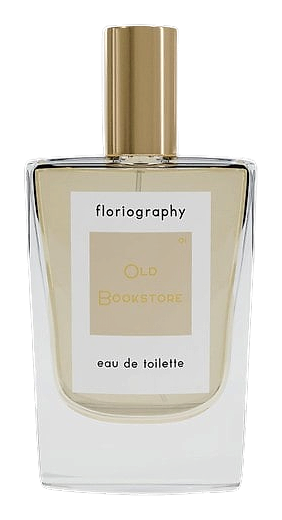
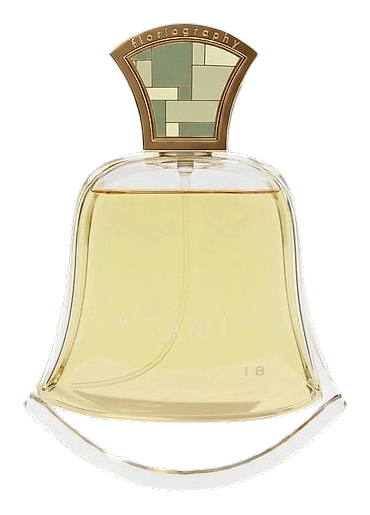
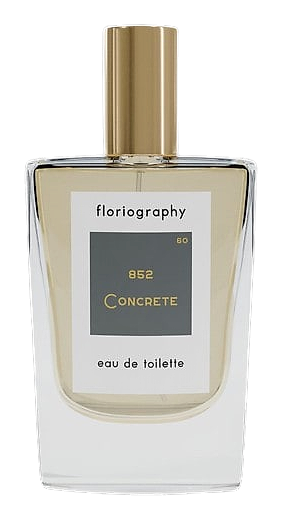
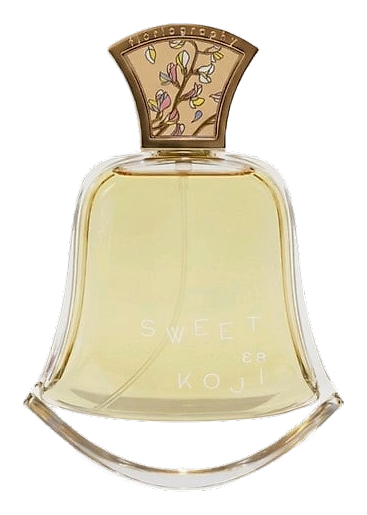
No. 83 Sweet Koji is the newest entry in Floriography's Flow Collection, composed by Jo Shaw and released in 2025. Where much of the house's numbered catalogue leans on place and memory (Old Bookstore, Tatami, 852 Concrete), Sweet Koji turns inward, toward process. Koji is the living culture that converts starch into sugar, the first step in making sake. Sweet Koji is the fragrant byproduct: warmth, grain, gentle fermentation, a kitchen before the bottles are filled. Shaw built the composition around a single ingredient thread. Sake appears in the opening, the heart, and the base, an unusual structural choice that turns a typically fleeting top-note material into the spine of the fragrance. Lemon zest and bright citruses arrive first to set the table. Then orange blossom, sweet pea, and rose unfold over the rice-wine warmth. Musk closes it, clean and close to skin.
What's distinctive here is the repetition. Sake at the top, sake at the base. Most fragrances reserve fermented or boozy accords for either an opening flourish or a boozy drydown, not both. Shaw uses the repetition to make fermentation a structural element rather than a one-note gesture. The white florals do the usual lifting work, but the sake thread keeps pulling everything back to a creamy, slightly tangy warmth. It's a composition that smells like a single idea explored from three angles rather than a pyramid stacked for maximum complexity.
The evolution
The first 15 minutes are all citrus and brightness. Lemon zest hits sharp, almost green, and the sake underneath reads more as clean grain than anything fermented. There's an almost effervescent quality, like cracking open a cold bottle. By the 30-minute mark, the white florals have settled in. Orange blossom does most of the work, creamy and slightly honeyed, but sweet pea keeps things from going too rich. The rose is there, but restrained, more about giving the heart a blush of color than announcing itself. The sake has gone warm and rounded, the sharp grain note now reading closer to steamed rice. The drydown, from around 2 hours onward, is where this earns its name. The florals recede. Musk and sake take over completely, and the composition settles into a skin-close, slightly sweet, almost milky warmth. It doesn't project much by this point. It just stays. On fabric the next morning, there's a faint rice-papery sweetness, barely there, more memory than statement.
Cultural impact
Sweet Koji sits comfortably within a current of independent perfumery that treats food-derived materials as serious creative material, a mode of composition where the kitchen and the organ room are kept deliberately close. The fragrance works in that conversation beautifully, building its structure around rice-koji sweetness: a soft, lactic, almost yogurt-like creaminess in the opening, edged with a faint fermented tang that recalls amazake rather than anything overtly saccharine.