Sake
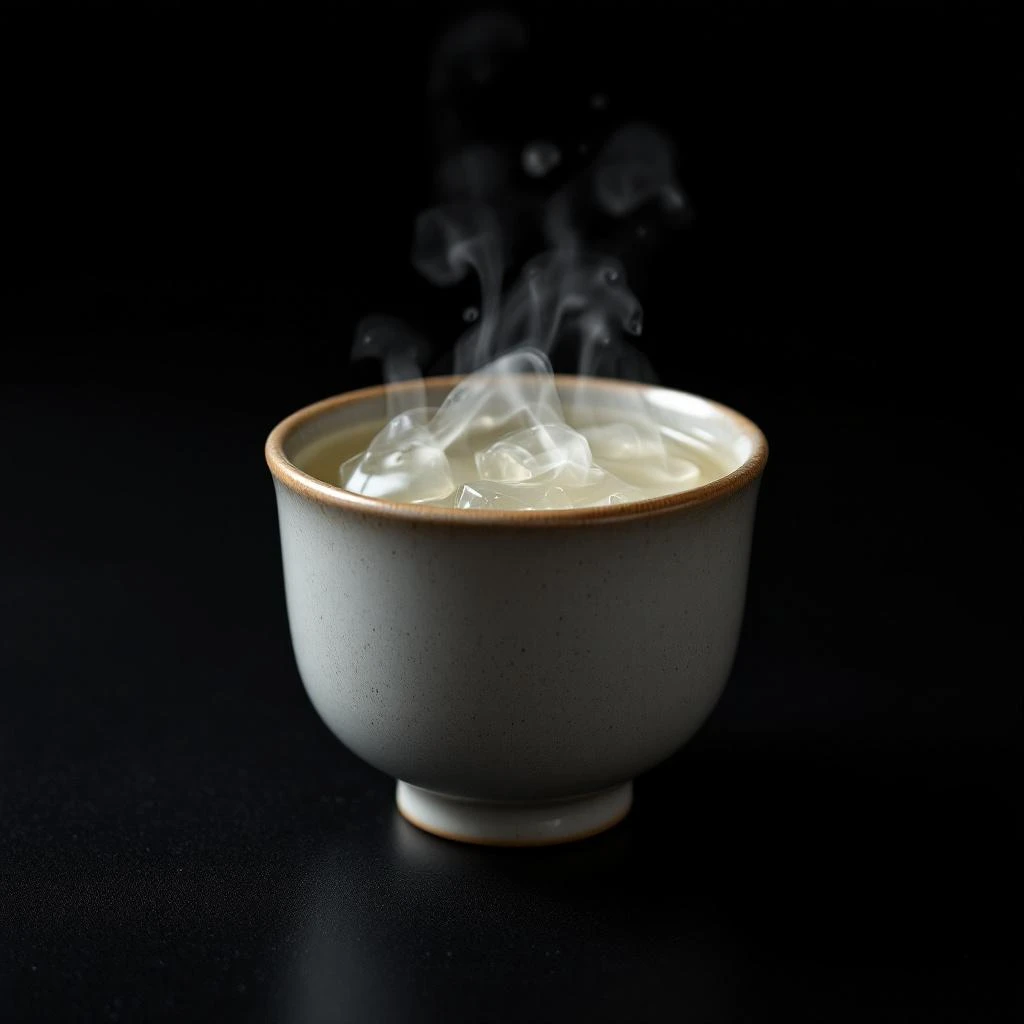
Sake, the Japanese rice wine, offers a subtle, slightly sweet umami aroma that adds depth to modern fragrances. Its nuanced profile bridges tradition and innovation, inviting the wearer to explore a quiet, refined scent world.
Character
How it smells
Sake: the quiet elegance of fermented rice in scent.
A single batch of premium sake can produce enough aromatic distillate to scent dozens of perfume bottles, highlighting its efficiency as a fragrance ingredient.





Origin
Japan
Sake traces its roots to Japan's Nara period (710‑794 CE), where rice fermentation appeared in Shinto rites. Early records describe rice wine as a libation for kami, the spirits of nature.
By the Heian era, sake production spread to aristocratic courts, influencing cultural practices such as poetry and tea ceremony. The Meiji Restoration (1868) modernized brewing, introducing refined polishing techniques that enhanced aroma clarity.
In the late 20th century, Japanese perfumers began extracting sake's scent to evoke calm and refinement, integrating it into niche fragrances that celebrate heritage while appealing to global markets. Today, sake remains a symbol of Japanese craftsmanship, its aroma bridging culinary tradition and olfactory art.
Wears it best
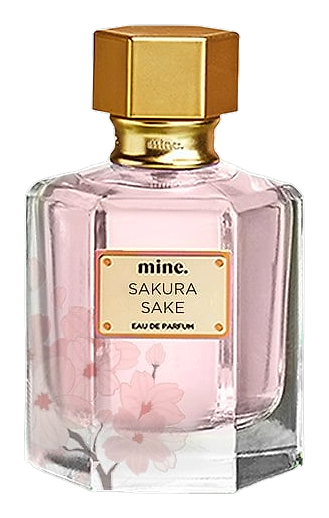
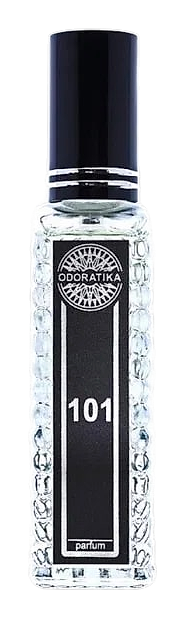
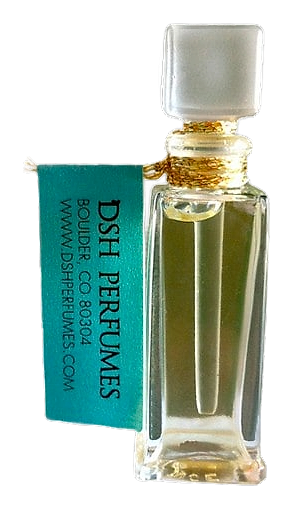
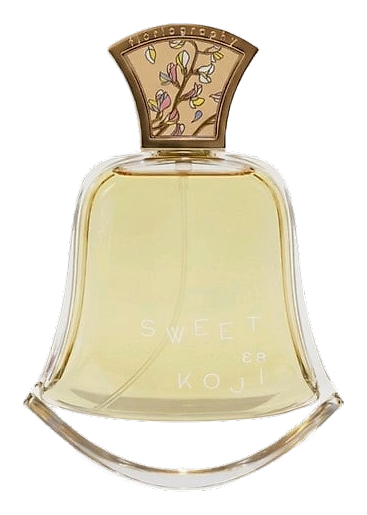
Fragrances featuring Sake
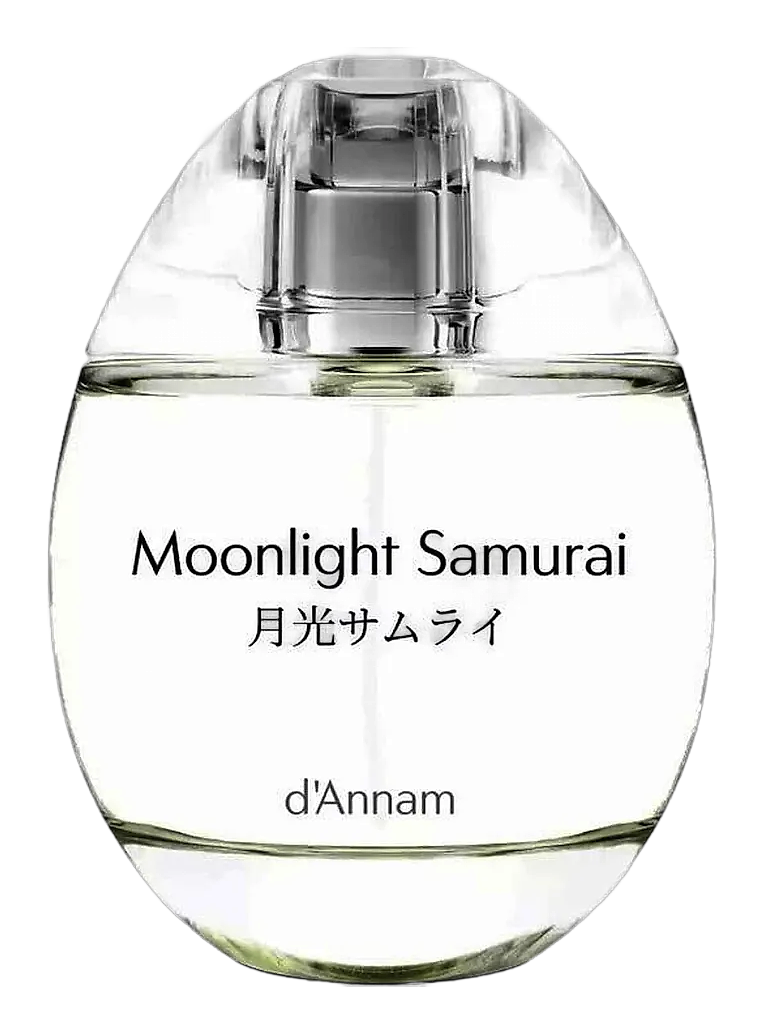
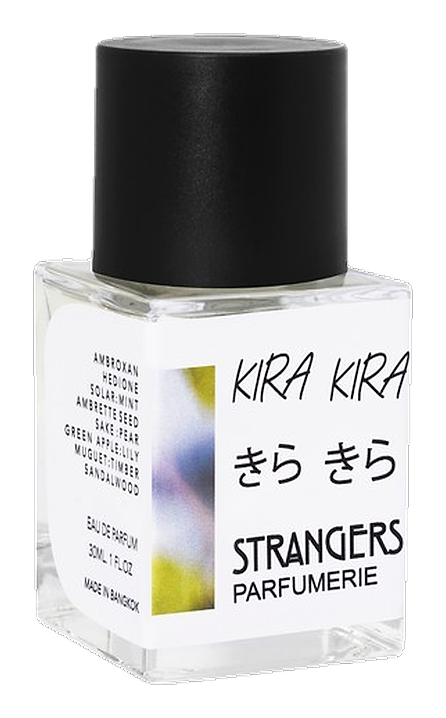
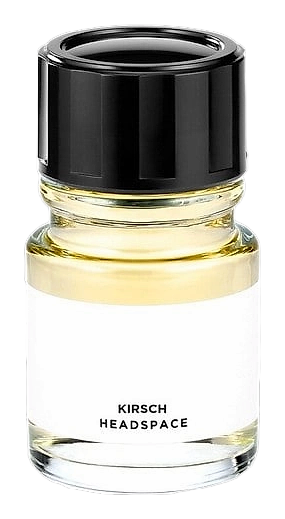
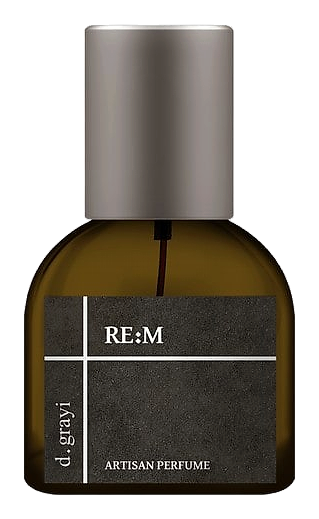
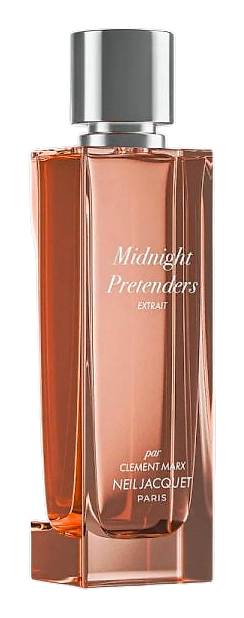
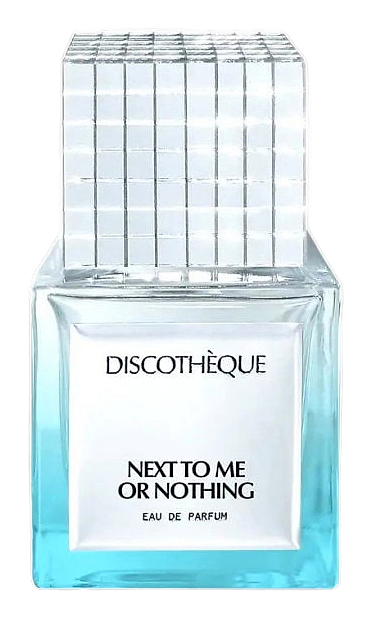
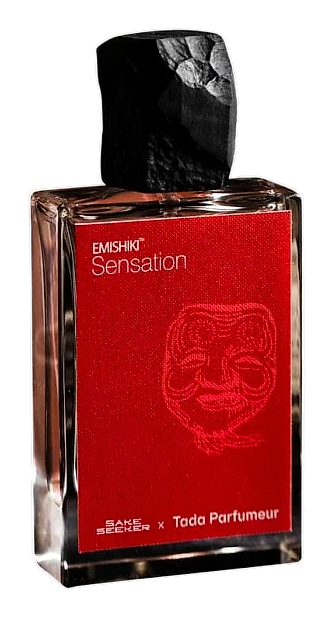
Brands
Brands known for Sake
Good to know
Questions, answered
The essentials on Sake in perfumery: how it smells, where it comes from, and how it behaves on skin.
What does a sake fragrance note smell like?
A sake note smells sweet, slightly nutty, and subtly umami. It combines rice grain softness with a faint fermented edge, similar to fresh sake on a warm evening. A 2022 sensory panel measured its average intensity at 3.2 on a 10‑point scale.
How is the sake note extracted for perfumery?
We extract the note by steam distilling fermented rice mash. The process isolates volatile compounds while preserving the delicate aroma. In 2021, a leading Japanese laboratory reported a 78 % recovery rate of key esters using this method.
Is the sake note natural or synthetic?
The primary sake note is natural, derived from actual fermented rice. Some brands blend a synthetic mimic to stabilize the scent, but the authentic absolute comes directly from the distillation of real sake. The natural version contains over 150 identified aroma molecules.
Can sake note be used in men's fragrances?
Yes, sake blends well with woody and spicy accords typical of men's scents. Its subtle sweetness balances cedar, sandalwood, or pepper without overwhelming the composition. A 2020 market analysis showed a 12 % increase in male‑oriented releases featuring sake.
Are there any allergen concerns with sake note?
Sake note is generally low‑risk for allergens because it contains no common fragrance allergens like cinnamic aldehyde. However, trace proteins from rice may affect highly sensitive individuals. In a 2019 dermatology study, only 0.3 % of participants reported mild irritation.
How long does the sake note last on skin?
Sake note typically persists for 2‑3 hours as a top‑middle layer before fading. Its volatility means it evaporates faster than heavier base notes. A 2023 wear test recorded an average decay time of 150 minutes under standard conditions.
Which fragrance families pair well with sake?
Sake pairs naturally with citrus, green tea, and light woody families. Its subtle sweetness enhances bergamot or yuzu, while its umami side complements cedar or hinoki. A 2022 blending trial recorded a 68 % preference rating for sake‑citrus mixes.
Is the production of sake note sustainable?
Sake note production uses rice that can be sourced from existing sake breweries, reducing waste. The steam distillation process recycles water and captures by‑products for animal feed. In 2021, a Japanese distillery reported a 45 % reduction in overall waste compared with traditional solvent extraction.