















Heritage
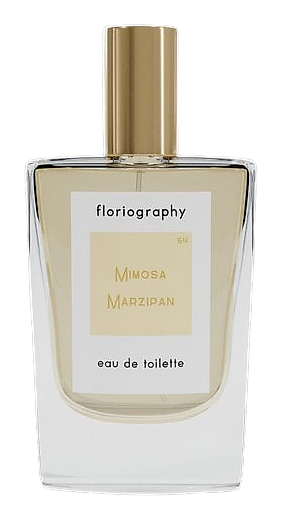
A house, in its own words
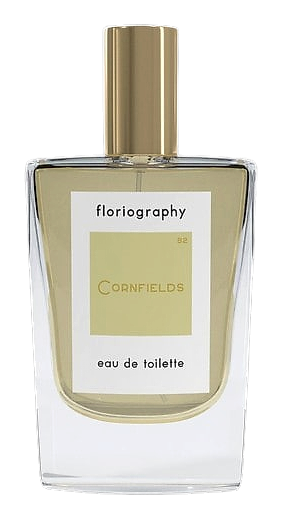
Jo Shaw, a 35-year-old entrepreneur profiled by the South China Morning Post, founded Floriography in Hong Kong in 2018, building the perfume house around a personal fascination with mono no aware, the Japanese concept describing the bittersweet awareness of things passing away. The name itself nods to the Victorian tradition of floriography, where bouquets carried coded messages, a system Shaw saw as a natural bridge between scent and storytelling. The brand launched with an ambitious structure: 100 numbered compositions, each tied to a distinct concept, memory, or location. Early entries established this conceptual range immediately. No. 01 Old Bookstore and No. 60 852 Concrete and No. 61 852 Orchid, all released in 2019, ranged from literary interiors to the gritty textures of Hong Kong's 852 area code. Subsequent releases stretched outward to Japanese countryside imagery with No. 75 Dry Yuzu in 2020, No. 92 Cornfields in 2021, and the gourmand-leaning No. 54 Mimosa Marzipan in 2023, suggesting a perfumer working by association rather than within a single house style. The brand's progress has been gradual and release-driven rather than campaign-driven, a quiet accumulation of numbered works that reflects the mono no aware sensibility at its core. At its foundation, Floriography treats scent as a language, one capable of communicating the same emotional nuances that flowers once conveyed in Victorian nosegays. The house draws a direct line between the old practice of floriography and contemporary perfumery: a composition becomes a message, a mood sent without words. Jo Shaw has described the practice of building fragrances around concepts such as emotions, places, and sensory memories, an approach that places narrative ahead of olfactory category. The Japanese concept of mono no aware serves as the house's emotional compass. Rather than chasing longevity records or trend cycles, Floriography leans into the temporary and the quietly felt: a scent that captures a passing afternoon, a fading season, a moment already leaving. This influences both naming and composition. Tatami (No. 81), Löyly (No. 42), and the 2019 Old Bookstore each read less like perfume names and more like short poems, invitations to a specific atmosphere. The numbered system reinforces the philosophical stance. By labeling compositions as No. 01, No. 18, No. 92, and so on, the brand treats each fragrance as one entry in a larger library rather than a standalone product. Collectors encounter them sequentially, each one a chapter in an unfolding correspondence between scent and sentiment.