Ross Du
Ross Du operates in the relatively quiet margins of contemporary perfumery, where independent practice still prizes intuition over industrial scale. Trained in organic chemistry before committing to the perfume organ, Du represents a growing cohort of perfumers who arrived at the craft through laboratory science rather than family lineage or the traditional perfumery schools of the south of France. Details on his specific training remain sparse, but the rigour of his approach suggests years spent apprenticing under established noses before striking out independently. The decision to remain unattached to a major house speaks to a working philosophy that values creative control over commercial reach. Du has spoken little about a singular breakthrough moment, preferring instead to frame his career as an accumulation of small, deliberate refinements. His trajectory mirrors a wider shift within the industry, where chemists-turned-perfumers bring analytical precision to an art form long dominated by inherited intuition.
The hits
Notable creations
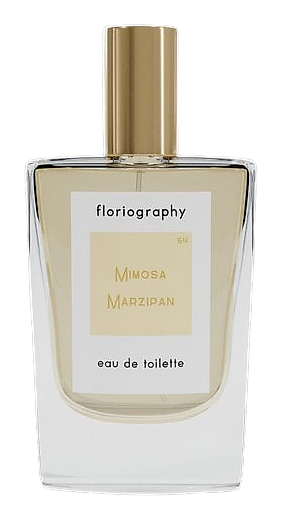
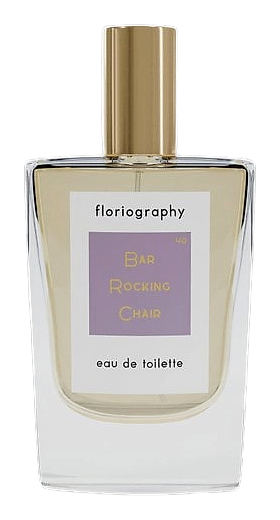
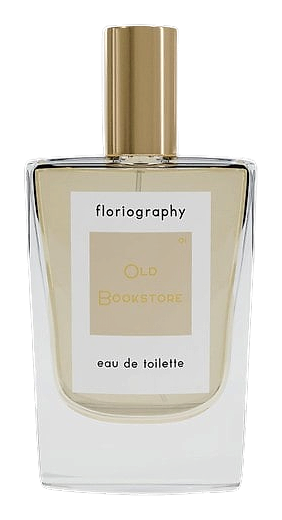
The signature
How Ross composes
Du's hand favors cool, mineral openings, often built on aldehydes or ozonic accords softened by green tea, shiso, or transparent florals like lily of the valley and iris. His hearts tend toward the sparse, with rose or neroli deployed sparingly and supported by herbal or aqueous notes rather than dense bouquets. The bases he returns to most frequently lean on white musks, soft ambers, and carefully judged woods such as hinoki or pale cedar. Where many contemporary noses pile on oud or gourmand sweetness for impact, Du keeps sweetness restrained, preferring salt, skin-musk warmth, or a faint mineral cold to carry the drydown. His compositions register as quiet on first wearing and reveal their structure slowly, a quality some describe as deliberately unforthcoming. Citrus bergamot and yuzu appear across several of his known works, usually peeled rather than juiced.
Philosophy
What drives Ross
Du treats fragrance as a problem in architecture rather than decoration. Each composition begins with an agreed mood, a single image or feeling, and the ingredients arrive only afterward, selected for what they can contribute to that emotional blueprint. He has expressed skepticism toward compositions that read as catalogues of trends, insisting that a formula either coheres around a central idea or fails on its own terms. Sustainability shapes his material sourcing more than most of his peers, and he gravitates toward naturals and upcycled extracts when quality permits. The pursuit of originality matters less to him than authenticity, a distinction he returns to often. Du also speaks about restraint as a creative virtue, arguing that the most affecting perfumes leave room for silence between notes rather than crowding every gap with spectacle.
The houses
Maisons Ross composes for
In the same league