The Story
Why it exists.
The beginning
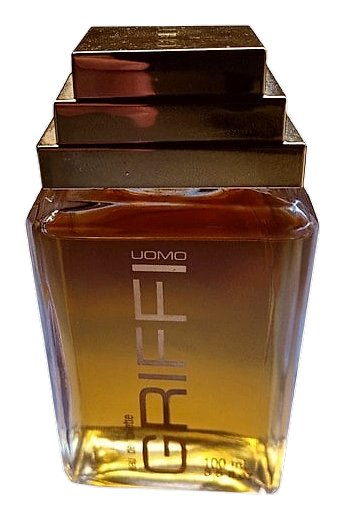
Griffi Uomo arrived in 1980 as a fragrance built around a concise selection of materials. Sandalwood brings a creamy woodiness, Indonesian patchouli leaf brings a dry earthy bite, and amber lays down warmth underneath. Together, they create a direct composition with a distinct sense of texture: smooth wood, leafy earth, and soft amber move in close contact rather than competing for attention. There’s no elaborate narrative attached to it. Just materials, chosen carefully, and presented with a clear, disciplined sensibility that makes the scent easy to appreciate for its structure and restraint.
What makes this composition worth a second look is the tension inside its central accord. Sandalwood is smooth and almost creamy, Indonesian patchouli leaf is dry, green, and earthy, and amber sits between them with a balsamic warmth. The result is leather-adjacent without any leather note in the pyramid, grounded by the contrast between polished sandalwood and drier patchouli. Vetiver adds an earthy, slightly bitter edge that gives the composition more definition.
The evolution
The opening is the least obvious part of this scent. Sandalwood emerges with a smooth, pale wood grain, while patchouli leaf introduces darker, damper earthiness. The middle stretch is where this fragrance settles into its register. The wood turns creamy, the patchouli stays dry and green, and amber builds warmth around the whole composition. Vetiver maintains an earthy thread through it, balancing the amber with a drier, more restrained quality. On skin, the fragrance develops gradually, revealing its notes in layers rather than all at once. The sandalwood softens the sharper facets of patchouli, while amber adds a balsamic depth that keeps the overall impression from becoming stark. What lingers longest is the wood and patchouli pairing, still present later as a faint, dry, leather-adjacent trace on skin and fabric.
Cultural impact
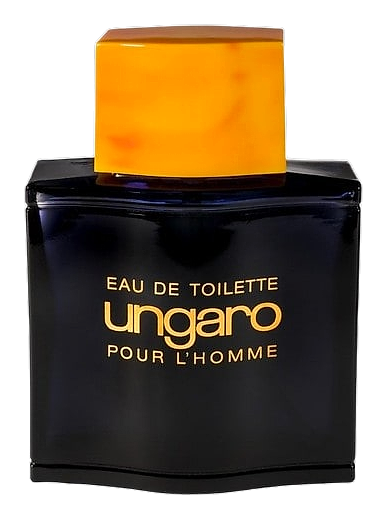
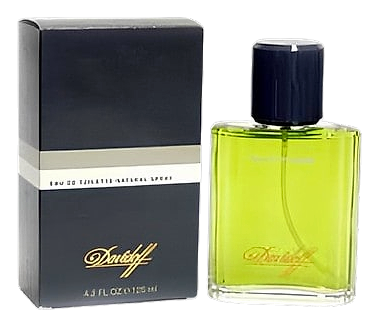
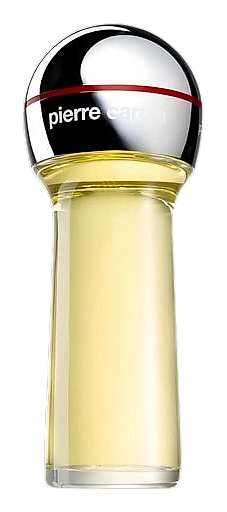
Griffi Uomo belongs to a reference set of Italian men's scents associated with woody, leather-adjacent warmth. Its peers include Davidoff Zino, Yatagan by Caron, and Lalique Encre Noire, giving it a useful place within a broader collection of classic releases. Wearers who know the house tend to describe it as a rare find rather than a mainstream reference point, which makes it especially rewarding to discover. The fragrance appears to have been discontinued, though that status alone does not define its appeal.
The House
Federico GriffiFederico Griffi is an Italian fragrance house founded by fashion designer Federico Griffi. The house entered the perfume world with Griffi Uomo in 1980, a masculine scent built around sandalwood, Indonesian patchouli leaf, and amber. Its catalogue remains compact, with fragrance databases documenting between four and five releases depending on the source. Griffi is remembered for its 1980s Italian design sensibility and for a straightforward approach to fragrance, offering a small collection that reflects the restrained, characterful style associated with the designer's name. Available references confirm Griffi Uomo's 1980 launch and note the house's woody, aromatic profile, while also indicating that details about individual release years across the broader catalogue are limited.
The Creator
Federico GriffiFederico Griffi’s signature style is best described as woody, ambered, and quietly sensual. Sandalwood supplies a polished creaminess, while Indonesian patchouli introduces a dark, earthy grain that gives depth and a slightly mysterious edge.