Federico Griffi
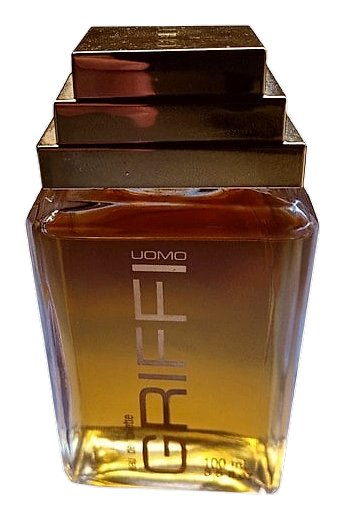
Federico Griffi is an Italian fashion designer whose fragrance identity grew from the polished world of apparel into scent. His most documented release, Griffi Uomo, arrived in 1980, placing his perfumery debut squarely in the era of expressive, wood-rich masculine fragrances. While public details about his formal perfumery training remain limited, Griffi’s background in design suggests an instinct for proportion, texture, and the disciplined construction of a signature. Griffi Uomo established a recognizable vocabulary of sandalwood, Indonesian patchouli leaf, amber, and vetiver, pairing dry woods with earthy spice. The brand’s small but respected catalogue has since earned a strong reputation among collectors, giving Federico Griffi the appeal of an elusive Italian house with a concentrated point of view.
The hits
Notable creations
The signature
How Federico composes
Federico Griffi’s signature style is best described as woody, ambered, and quietly sensual. Sandalwood supplies a polished creaminess, while Indonesian patchouli introduces a dark, earthy grain that gives depth and a slightly mysterious edge. Vetiver brings structure, dryness, and an earthy mineral character, keeping richer ingredients from becoming overly sweet. Amber adds warmth and a lingering finish, allowing the compositions to sit close to the skin. The house also explores gourmand territory with a rich, chocolaty character. Across these directions, texture matters more than sheer abundance: the most persuasive effects come from the way woods, spice, chocolate, and amber meet with measured contrast.
Philosophy
What drives Federico
Federico Griffi’s approach appears rooted in the meeting of sensual materials and tailored restraint. Rather than chasing novelty for its own sake, his fragrances favor a carefully edited contrast: creamy woods against patchouli, bright spice against mineral vetiver, and amber warmed by darker earth. The fashion connection is important here. Just as a garment can define the body through cut and texture, Griffi’s perfume constructions seem designed to create presence through balance, density, and finish. His work carries a distinctly Italian sense of confidence, with opulence tempered by structure. Even when gourmand notes appear in the house’s catalogue, they read as indulgent facets within a broader composition rather than sweetness for its own sake.
The houses