
The Story
Why it exists.
The beginning
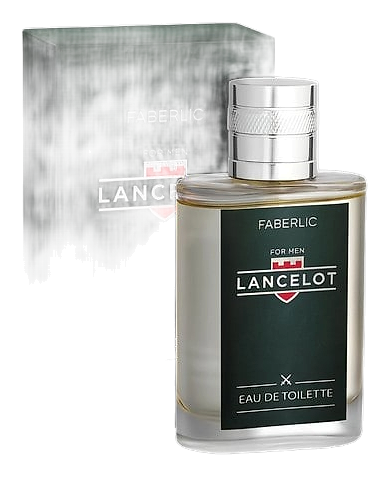
Lancelot arrived in 2017 from Elise Bénat, the kind of perfumer who builds from restraint rather than excess. The name lands deliberately, borrowed from the knight who stayed, not the one who shouted loudest. There's something composed about it, the marine note promising cool clarity before the fragrance reveals its actual argument: that freshness means nothing without somewhere to settle. Bénat understood this. The marine accord doesn't float away, it finds leather and patchouli waiting beneath the surface, giving the whole thing weight and reason.
The structure is the point. A lesser composition would let the marine accord evaporate into background noise. Here, the artemisia threads through the heart, herbal and slightly bitter, keeping the lavender honest. Green apple opens bright but doesn't linger, it clears the way for the base to do its work. The leather doesn't arrive immediately; it develops as everything else steps back, which is the most interesting thing about this fragrance. It's not built to impress in the first five minutes.
The evolution
Green apple and pink pepper arrive crisp. Bright, almost fizzy, the kind of opening that reads clean without trying. Thirty minutes in, the lavender and artemisia take over, turning the marine accord herbal instead of aquatic. More interesting. The sea water doesn't disappear; it settles into the composition like mist over grass. Two hours in, the leather emerges. Not the polished kind, something worn, natural, closer to skin than to a jacket. Musk keeps it intimate. Patchouli adds the faintest earthy undertone that prevents the whole thing from going too soft. By hour four, you're left with musk, patchouli, and the memory of leather. Close to the skin. Still present. The drydown lasts a solid workday on most, not exceptional, but reliable. No dramatic farewell. Just the quiet fade of something that did its job.
Cultural impact
Lancelot occupies the space between everyday confidence and genuine interest, the kind of scent that works because it doesn't try too hard. It's not positioned against niche houses or luxury heritage brands. It's just present, consistent, and quietly competent. For a Russian fragrance house with mass-market reach, that's the point. Faberlic isn't asking for a spot on the shelf next to Le Labo. It's offering something that works, at a price that doesn't require justification.