
The Story
Why it exists.
The beginning
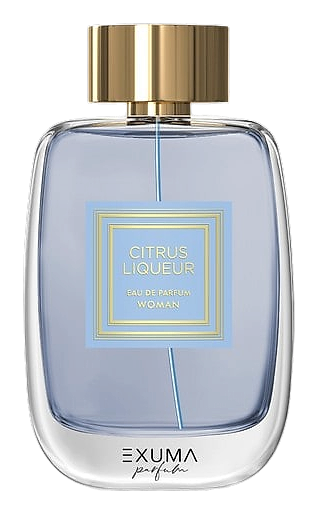
Citrus Liqueur Woman arrived in 2018 as part of Exuma Parfums' initial collection, a statement of intent from Wesley C. Named for the category it inhabits, not a place or a mood. The concept was simple: take citrus, the oldest material in perfumery, and push it somewhere less obvious. Liqueur implies concentration. Implies something drunk slowly, not knocked back. The name tells you exactly what it's after, brightness that deepens rather than fades.
What makes this work is the lavender. It shows up quietly in the top, not as an aromatic herb but as a bridge, keeping the citrus from reading like cleaning product, adding a slight coolness that makes the orange blossom feel earned when it arrives. The combination of citrus, white floral, and musk is familiar territory, but the execution keeps it on the interesting side of predictable. Nothing here reinvents anything. It just does what it does without apology.
The evolution
The bergamot and mandarin open sharp and clean, citrus that reads like morning. Within twenty minutes, the lavender asserts itself, a cool herbal edge that shifts the temperature down a few degrees. The orange blossom blooms slowly, blending with jasmine in a heart that's sweeter than the opening but never heavy. Then the handoff: musk and amber take over around the two-hour mark, and the fragrance transforms. What was bright becomes warm. The sillage drops from moderate to intimate. By hour four, it's a skin scent, close, warm, present only for the wearer. The evolution isn't dramatic. It's the difference between a conversation at a party and a conversation that continues after everyone leaves.
Cultural impact
Citrus Liqueur Woman launched in 2018 amid the indie perfumery boom, a period when niche fragrance enthusiasts increasingly sought houses with identifiable creators and transparent sourcing. The fragrance reflects a broader cultural pivot toward approachable luxury, where bright citrus compositions serve as entry points into artisan perfumery without demanding the complexity or price tags of heavywoods and ouds. American fragrance culture has long embraced citrus as a year-round staple, from colognes to modern adaptations, reflecting a preference for clean, professional scent profiles that work across social contexts.