The Story
Why it exists.
The beginning
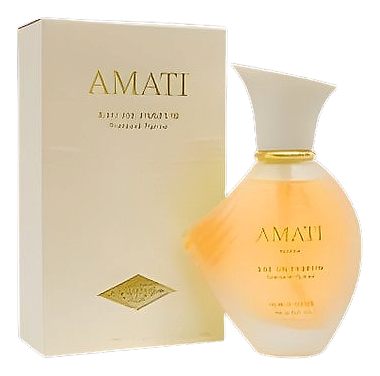
Amati arrived in 2013 as Evaflor's answer to a specific kind of modern woman. Not the one demanding attention the moment she enters a room, the one who already has it, and doesn't need the fragrance to make that case. The house, founded in 1983 by Albert Bonan, had spent three decades building a catalogue of composed, contemporary scents for both men and women. Amati fits directly into that lineage: elegant without being ornate, assured without being loud. The name itself, musical, unhurried, signals the fragrance's intention. Not a statement. A presence.
What makes the Amati structure interesting is how deliberately it refuses to choose between freshness and warmth. Melon and lotus in the top are aquatic in the truest sense, not ozone or sea salt, but the sensation of something cool and still. Cyclamen bridges that opening into the white floral heart, where lily of the valley and peony add a powdery softness that feels intimate rather than sweet. The base is where the house's French sensibility shows: sandalwood and cedar anchor the musk and amber into something dry and lasting, a quiet warmth that stays close to the skin long after the initial freshness has softened.
The evolution
Melon opens first, cool, slightly sweet, the wet-shine of fruit at the edge of ripeness. Lotus arrives within minutes, pushing the composition toward something aquatic and meditative. The cyclamen is the quiet transition layer, bridging the watery opening into the floral heart without fanfare. Peony and lily of the valley bloom next, taking their time, adding a powdery softness that shifts the energy from fresh to intimate. By the second hour, sandalwood has begun its work. The base isn't loud, it's the moment you realize the fragrance is still there. Cedar adds structure. Musk keeps it warm and human. Amber holds everything in place for hours after, close and quiet, the kind of drydown you catch on your own wrist before anyone else does.
Cultural impact
Amati occupies a quiet corner of the fragrance landscape. It's the kind of scent someone reaches for when she's tired of performance, when she wants something present without being pushy. Evaflor's positioning as an understated alternative to more heritage-driven houses gives Amati a specific appeal: it speaks to a wearer who finds confidence in refined taste rather than brand recognition.