Heritage
A house, in its own words
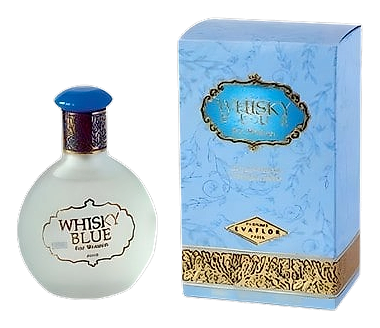
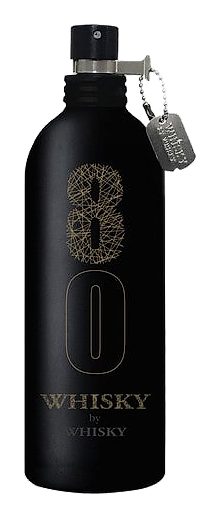
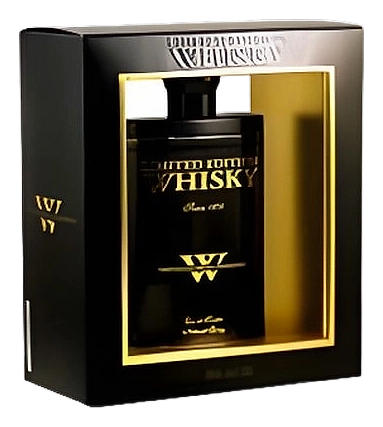
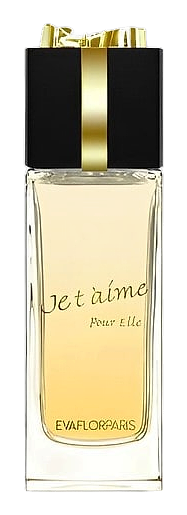
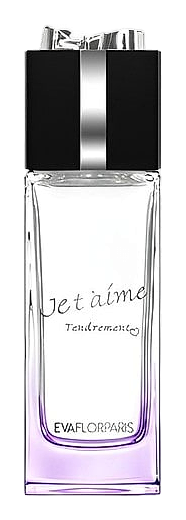
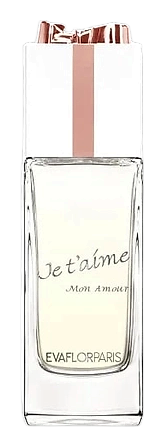
The company began its journey in 1983 when Albert Bonan, a Parisian entrepreneur with a background in fashion retail, decided to launch a perfume house that would serve both genders. Bonan’s ambition was to blend the classic French sensibility with a modern aesthetic, a goal he articulated in early interviews as creating "elegant and modern" fragrances. The first collection debuted the same year, featuring a handful of unisex scents that received modest coverage in niche perfume magazines. In 1990, Evaflor released Rankar, a fragrance that marked the brand’s first notable entry into the competitive French market and was reviewed in several specialty journals. Throughout the 1990s and early 2000s, the house expanded its portfolio with a series of releases that carried romantic French titles, such as Je t'aime Mon Amour and Je t'aime Elixir, reflecting a thematic focus on love and intimacy. While the brand never achieved the scale of legacy houses, it maintained a steady presence in boutique perfumeries across France and, later, selected international retailers. By the mid‑2000s, Evaflor introduced more daring compositions like Frisson Extreme pour homme, signaling a willingness to explore stronger, more avant‑garde accords while staying true to its original modern‑elegant ethos. The house continues to operate from Paris, with a small team that handles formulation, production oversight and limited‑edition releases, preserving the founder’s vision of a boutique operation that balances creativity with disciplined craftsmanship. Evaflor’s creative outlook rests on a simple premise: fragrance should feel both current and timeless, offering a bridge between classic French elegance and contemporary lifestyle. The brand states that it seeks to craft scents that are "elegant and modern," a phrase that recurs in its early marketing materials and is echoed in interviews with Albert Bonan. This philosophy translates into a focus on balanced compositions that avoid overtly nostalgic references while still employing familiar French olfactory families such as floral‑citrus, aromatic fougère and warm oriental bases. The house values restraint, preferring to let a few well‑chosen ingredients speak rather than layering excessive accords. Sustainability is mentioned in recent statements, with the company indicating a preference for responsibly sourced raw materials and a reduction of waste in its packaging processes. Although Evaflor does not publish detailed sustainability reports, its limited‑run production model inherently reduces over‑production, aligning with a broader industry shift toward more mindful consumption.