The Story
Why it exists.
The beginning
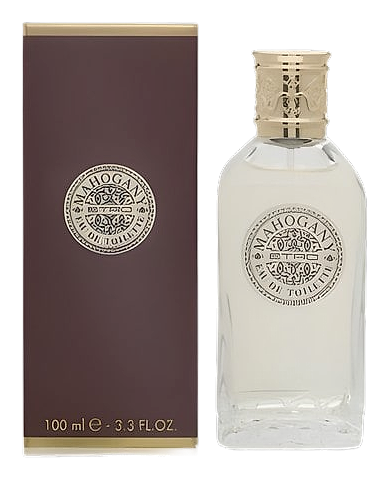
Etro built its name on paisley, on color loud enough to start a conversation across a room. So naming a fragrance Mahogany was already a left turn, taking the brand away from exotic destinations and maximalist gesture, toward the material itself. The wood. Its weight, its grain, its smell before varnish. Released in 2004 as part of an expanding fragrance wardrobe, Mahogany stripped the story down to something almost austere by Etro's standards. The brief, if you read it that way, wasn't a place or a poem. It was an object.
The tension between the opening and the base makes the composition work. Marjoram at the top, an herb most perfumers sidestep for being too sharp, too medicinal, gives the fragrance its first personality. It grounds the citrus and keeps the start from reading as polite. Then the heart layers cumin and black pepper, spices that carry the smell of heat and sawdust, before the base does something unexpected: it gets warm. Mahogany is not a dark, dank wood fragrance. The vanilla and sandalwood in the foundation temper its edges, while vetiver keeps the whole thing from floating away entirely.
The evolution
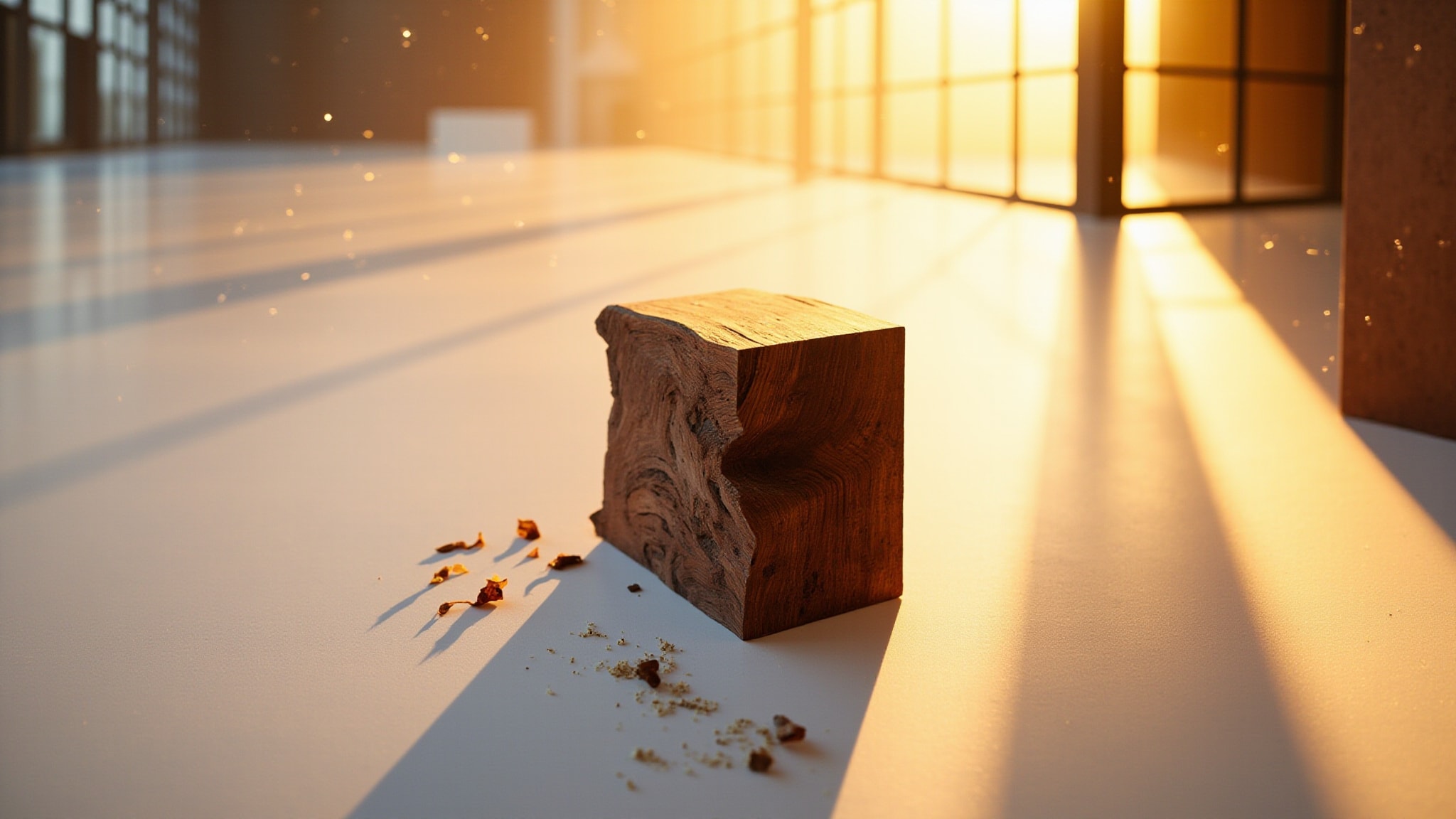
The marjoram and bergamot arrive within seconds. That herbal lift hits first, bright, slightly medicinal, the greenest thing in the bottle, before the mahogany underneath starts to assert itself. Not the polished surface of old furniture. Something rawer. Less curated. The heart builds in warmth. Black pepper and cumin take over, spices that smell like dust and heat, like someone just ran a hand across unfinished wood. Cypress and clove deepen the aromatic complexity. Then the handoff: the wood wins. Mahogany takes the foreground in the drydown, supported by sandalwood and a note of vanilla that sneaks in like unexpected warmth, soft, the smell of something sun-warmed rather than kiln-dried. Vetiver and musk ground everything into the skin. Four to six hours on most. It doesn't fill the room. It stays close. That is the point.
Cultural impact
Etro launched Mahogany in 2004. The house had been known for its bold use of unexpected materials, and this fragrance continued that thread. The composition leans into warm, spicy territory with cumin and black pepper at its center, anchored by mahogany wood as the dominant note. The choice to use cumin, an ingredient that can reads as polarizing, gives the fragrance a distinct point of view. It does not aim for universal appeal. Instead, it offers something with character, a scent that makes its presence known without shouting.