
The Story
Why it exists.
The beginning
Escada Sport arrived in the mid-1990s as a collection, and Country Weekend was one of its earliest entries, released in 1996 by perfumer Ilias Ermenidis. The concept grew from the idea of leaving town, of trading familiar streets for something slower and different. Ermenidis built it from apple and pot marigold at the top, that bright, crisp opening that feels like the first breath of a different place, then layered in the spices and woods that make the middle and base feel grounded rather than decorative. The apple delivers an immediate tartness that wakes up the senses, while the marigold introduces a warm herbal quality that keeps the citrus from feeling generic.
What makes Country Weekend stand apart is its restraint. The combination of bay leaf and mahogany gives the heart a sweetness that never quite resolves into florality. Jasmine is there, but it's quiet, subordinate to the green and woody structure beneath it. It doesn't announce itself or try to dominate. Instead it sweetens the woods from underneath, a subtle presence that keeps the composition from feeling too austere. Nutmeg in the base provides warmth without the heaviness that nutmeg can sometimes bring.
The evolution
Apple and marigold arrive together at the opening. The apple is crisp and almost tart, delivering that immediate brightness that catches attention without being aggressive. The marigold adds a warm herbal yellow quality that keeps the top notes from feeling too commercial or generic. It rounds out the apple in a way that feels natural rather than constructed. Then the cedar takes over, and its coniferous quality becomes unmistakable. There's a coolness there, a green pine character that grounds the fragrance and gives it structure. Bay leaf and mahogany build slowly as the heart develops. The bay leaf contributes a green, almost savory depth that gives the heart its distinct character, while the mahogany adds a warmth that balances the cooler cedar notes.
Cultural impact
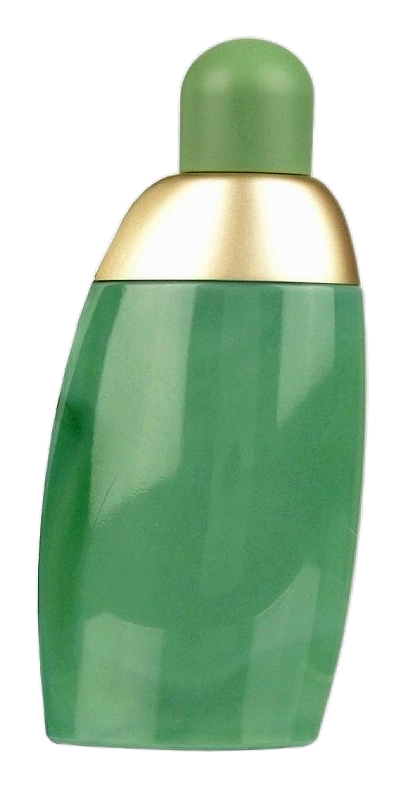
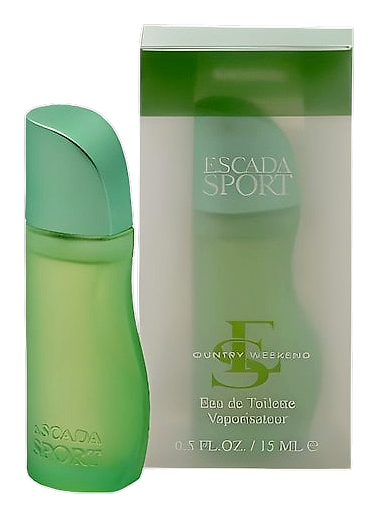
Country Weekend sits within Escada's broader Sport collection from the mid-1990s, a period when the brand was exploring compositions that appealed across the gender spectrum. The fragrance attracted wearers who wanted something outside the louder, sweeter aesthetics dominating the decade. It offered a quieter, woodier alternative that didn't require explanation, a scent you could wear without announcing yourself. The green bottle, designed by Thierry Lecoule, became a recognizable visual element. Its color suggested the scent inside without being literal, a choice that set it apart from more conventional presentation of the era.