
The Story
Why it exists.
The beginning
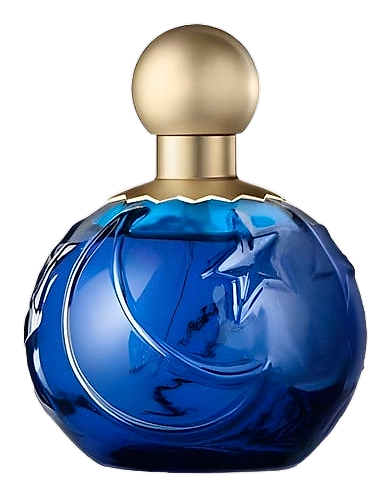
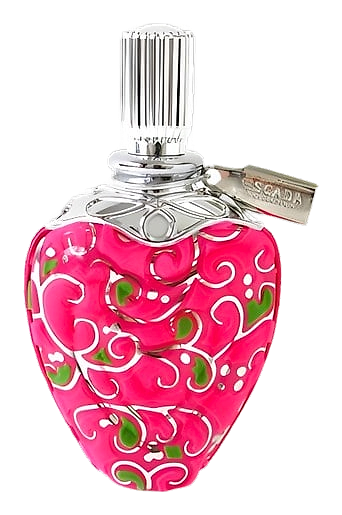
The 2001 Escada Collection bottle captured something the house did well: playful perfumery with actual structure. Escada had built its identity on sporty elegance, vivid color, kinetic energy, clothes that moved. Translating that into a fragrance meant something that announced itself without apologizing. Coca-Cola as a top note in 2001 was genuinely unexpected. The women's fragrance landscape of the early 2000s ran on safe florals and citruses, predictable compositions that smelled pleasant and disappeared. Escada pushed against that with a note that was instantly recognizable, undeniably fun, and deeply unconventional. The composition paired that fizzy sweetness with jasmine and tuberose, florals that could hold their own against something playful.
The most interesting thing about this composition isn't any single note, it's the collision. Cola and tuberose shouldn't work together, and in lesser hands, they wouldn't. But jasmine brings a creamy sweetness that bridges the gap, and tuberose brings a richness that keeps the sugary opening from reading as gimmicky. What Escada understood here is that a polarizing opening only works if what's underneath earns its keep. The drydown delivers that: warm tonka bean and sandalwood wrap around the florals without overwhelming them, creating a finish that feels intentional rather than accidental.
The evolution
On skin, the opening announces itself immediately, that fizzy cola note is bright, sweet, and impossible to ignore. Mandarin orange keeps it from going too syrupy for the first few minutes, adding a citrus brightness that lifts the whole thing. The heart takes over around the thirty-minute mark. Jasmine and tuberose arrive together, with tuberose doing most of the work. The cola sweetness doesn't disappear entirely, it stays in the background, adding an unusual warmth to the florals that makes them read as creamy rather than green. This phase lasts for hours. The sillage is strong throughout, creating a noticeable presence that announces the wearer without overwhelming a small room. The drydown is where this fragrance earns its reputation. Around hour four, the cola has fully faded, leaving tonka bean, sandalwood, and amber to create something warm and powdery-close.
Cultural impact
The Coca-Cola note in a prestige fragrance was genuinely unexpected in 2001, and it remains the fragrance's most discussed element. Among Escada's portfolio of bright, colorful compositions, this collector's bottle stands apart for its gourmand audacity and the way the cola opening creates conversation before the florals even arrive. The discontinued status has only sharpened its appeal among collectors who remember it or discovered it secondhand.