
The Story
Why it exists.
The beginning
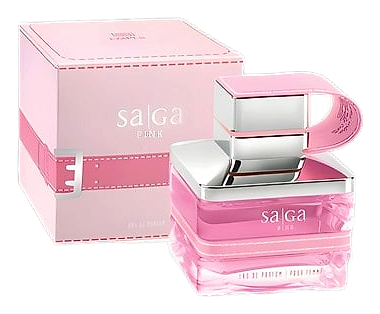
Saga Pink arrived as part of Emper's broader collection, developed alongside the house's urban-themed scents and toolbox series. The brief was simple: translate the brand's cosmopolitan perspective into something that felt immediately at home on skin. Emper had spent years building a reputation for bridging Arabian perfumery heritage with contemporary global accessibility, and Saga Pink became the expression of that philosophy in its most approachable form. Not a statement fragrance. Something softer. Something that works.
What makes Saga Pink interesting is the structural tension between its opening and its heart. The top notes arrive bright and tart, almost effervescent. Currant buds and orange create a lift that feels nothing like the powdery softness waiting underneath. That contrast is the whole point. Emper built the composition so the powder doesn't arrive immediately, it earns its place once the fruitiness settles. The result is a fragrance that feels like it has two acts, not one.
The evolution
The opening hits sharp. Fruity and tart, the currant buds and orange create a brightness that feels like the first hour after sunrise. Then the powder steps in. Rose and lily of the valley arrive quietly, wrapping what remains of the fruitiness in something softer, talc-adjacent but not quite. The vanilla hasn't shown up yet. That comes later. By the third or fourth hour, the base announces itself, warm, close, intimate. Musk and sandalwood anchor the sweetness so it doesn't float away. Patchouli adds just enough earth to keep it grounded. The drydown is where Saga Pink becomes yours alone. It stays close to the skin, lingers past what you'd expect from the initial brightness, and on some skin types holds long enough to become a quiet companion through an evening.
Cultural impact
Saga Pink occupies a specific position in the Emper catalogue, the fragrance for someone who wants softness without feeling like they've stepped into a time capsule. The powdery-fruity-vanilla combination reads as classically feminine but executed with a modern restraint that keeps it from feeling dated. Emper's positioning at the intersection of Arabian heritage and global contemporary trends gives the house an interesting advantage in the sweet-fruity-powdery space. The fragrance travels well across markets, appeals broadly, and holds its own against pricier competitors without the markup.