
The Story
Why it exists.
The beginning
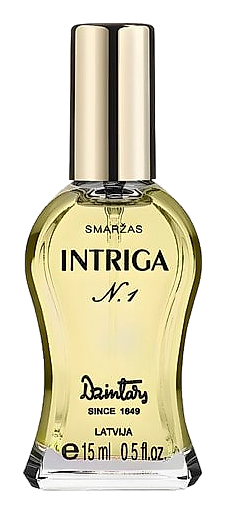
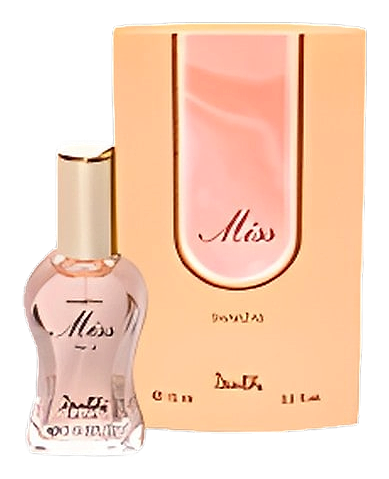
Miss 2 arrived in 2001. Latvia had been independent for a decade. Dzintars, the amber-named house that had survived Soviet nationalisation and returned to private hands, was rebuilding its identity in a market suddenly flooded with Western luxury names. Many women wanted something familiar, floral, powdery, not aggressively foreign. Miss 2 was Dzintars' answer: a warm Oriental floral built for the woman who wanted to smell modern without chasing expensive labels across the border.
What sets Miss 2 apart is the mimosa. It sits at the intersection of white and yellow florals, powdery, honeyed, slightly green, and it anchors the entire composition. The litchi and plum give it fruit without funk, keeping the opening sweet and accessible. The white leather in the base is a quiet surprise: not the aggressive leather of a biker jacket, but something softer, almost suede-like, that keeps the drydown intimate rather than bold.
The evolution
The opening hits bright and clean, lily of the valley's cool green lifting the sweet litchi and plum. It reads like the first hour of a spring morning. The heart takes over gradually, mimosa's powdery warmth sliding in beside jasmine and white rose. The transition is smooth, not a dramatic handoff. By the mid-drydown, the white leather emerges, soft, close, almost skin-like. Teakwood gives it structure without roughness. The final stage is the powdery musk that lingers on fabric long after the skin scent has faded. Four to six hours, depending on the wearer. The drydown outlasts the rest.
Cultural impact
Miss 2 is a mass-market Eastern European fragrance that flew beneath the radar of most Western collectors. For those who know Dzintars, it represents the brand's quieter side, warm powdery florals at an accessible price point, standing apart from luxury imports when it launched in 2001.