The Story
Why it exists.
The beginning
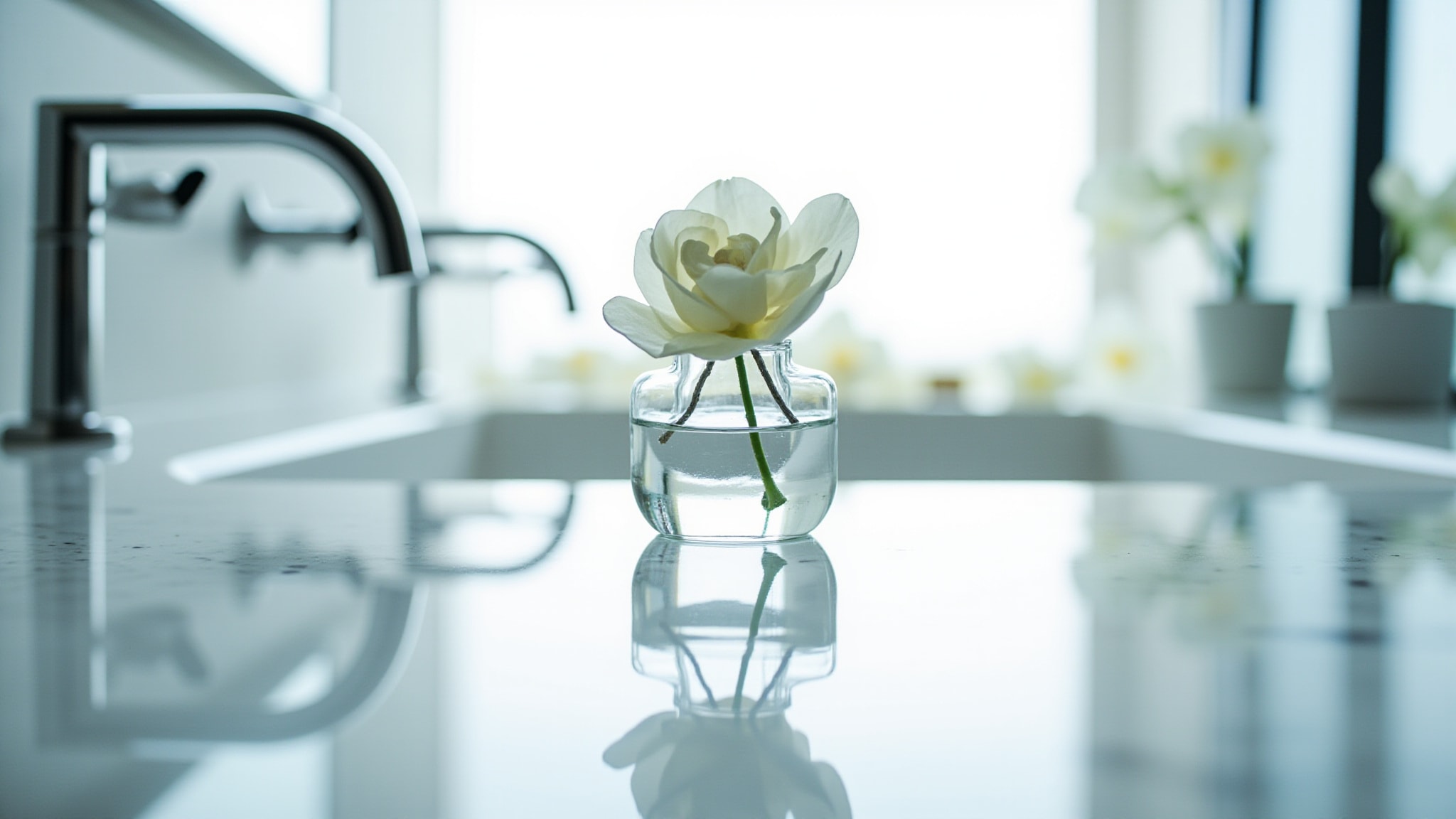
Baltais Sapnis means White Dream in Latvian. In 1991, perfumers Ilya Gerchikov and Marina Frolova created this fragrance as a love letter to white florals, a tribute to lily of the valley, peony, tuberose, jasmine, and rose. The composition focuses on layering these blooms in a way that allows each to shine through the others, creating something that feels both cohesive and multifaceted. The name says it all: something delicate, something worth dreaming about. It stands apart from simpler functional fragrances, offering instead a rich floral experience that invites the wearer to notice different facets over time.
What makes Baltais Sapnis unusual is how four white florals coexist without drowning each other. Lily of the valley brings cool, green brightness, but tuberose is there to deepen things, to add cream and presence. Jasmine brings warmth. Rose adds softness. The sandalwood and amber do not just anchor the composition, they keep it from floating into pure abstraction. The result is restraint working a different way: a white floral that earns its complexity, where each note has room to breathe but none dominates.
The evolution
The opening hits bright. Lemon sparks against the cool green of lily of the valley, clean, dewy, immediate. Within minutes, the florals arrive. Peony first, then rose, then the full weight of tuberose taking over. This is the heart of the fragrance: lush, romantic, unmistakably of its era. The drydown takes its time. Sandalwood and amber warm up, white musk adds softness, and the whole composition turns powdery, close to the skin, intimate. The transition from bright opening to deep floral heart to warm base creates a complete arc that feels carefully constructed, the kind of fragrance that rewards patience as it develops throughout the wearing experience.
Cultural impact
Baltais Sapnis was one of the most successful fragrances from the Dzintars factory during the Soviet era. It represents a specific aesthetic, romantic, exciting, unapologetically floral, that defined the era's perfumery. Its enduring appeal speaks to the quality of its construction and the nostalgia it evokes for a particular approach to white florals that feels increasingly rare in modern fragrance.