The Story
Why it exists.
The beginning
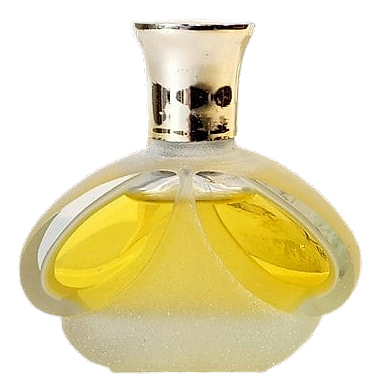
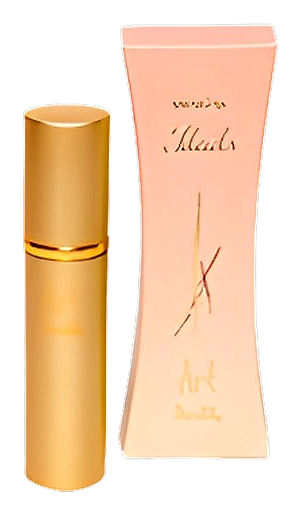
ART Ideāls arrived in 2003, when Dzintars was quietly expanding beyond the fougère and aromatic classics that had defined the brand through the Soviet era. The Art collection signaled ambition, a line of fragrances meant to feel contemporary without severing ties to the house's identity. What distinguished Ideāls from its peers was the choice of white tea as a structural element, an ingredient that was rare in commercial perfumery at the time and carried associations with clarity, stillness, and a certain Asian minimalism that had not yet flooded Western markets. The name itself, Ideāls, suggested an aspirational register, something to reach toward. The perfumer worked with that tension: a pristine opening, a fruity-green heart that prevented any risk of coldness, and a warm musky base that kept the whole thing human. It was Dzintars making a case for modernity, made in Riga.
The combination of white tea and lily of the valley in the top notes is unusual precisely because both are cool, green, and slightly aqueous, most fragrances hedge this pairing with something warmer to prevent it from reading as antiseptic. Here, the hedge is blackcurrant and fig. Blackcurrant brings a sharp, almost metallic tartness that cuts through the greenery and gives the heart an unexpected bite. Fig adds a milky, slightly sweet dimension that bridges the gap between the cool opening and the warm base. The inclusion of iris in the heart, with its powdery, violet-root character, adds a layer of complexity that elevates the composition from pleasant to something with genuine olfactory depth.
The evolution
The opening hits clean. Lily of the valley and white tea arrive together, with a bright citrus note (lime) providing the initial spark. It smells like morning, dewy, green, the kind of freshness that doesn't try too hard. The transition happens within the first thirty minutes as the blackcurrant emerges, introducing a tartness that catches some wearers off guard. It's the honest part of this fragrance. The fig follows, softer, almost lactonic, and the combination creates a fruity-green heart that feels garden-adjacent rather than garden-vliteral. Then the musk takes over, and with it, the nutmeg and patchouli. The drydown is intimate by design, moderate sillage means it stays close, announcing itself only to those already in conversation range. Patchouli anchors the base, giving it a slight earthiness that balances the sweetness that came before. On fabric, it lingers past eight hours. On skin, closer to six. Either way, it's the kind of drydown you notice on your sleeve the next morning and want to smell again.
Cultural impact
ART Ideāls occupies an interesting position in Eastern European fragrance history: a 2003 release from a house best known for Soviet-era classics, targeting a woman who wanted something modern without the luxury price tag. It found its audience in the Baltic states and beyond, wearers who recognized Dzintars from their mothers' vanity but found in Ideāls something that felt current. The combination of white tea and blackcurrant was distinctive enough that collectors still seek it out, even as the fragrance has passed from production. Its moderate sillage and workday longevity made it practical for daily wear, and its powdery-musky drydown gave it a sophistication that belied its mass-market positioning.