The Story
Why it exists.
The beginning
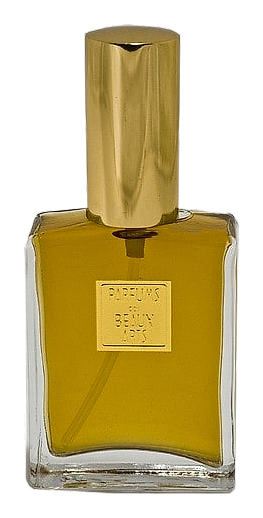
Dawn Spencer Hurwitz has spent years studying ancient perfumery, not as a hobby, but as a research practice. When the Denver Art Museum began planning its King Tut exhibition, she was already deep in Egyptian and Greco-Roman texts, tracing what ancient noses actually smelled. Susinon kept appearing. The lily fragrance that reportedly scented Cleopatra's barge sails. A formula lost to history, yet endlessly referenced. Rather than replicate a myth, Hurwitz translated its spirit, building around true lily and honey, layering spice and resin until the ancient idea became something you could actually wear in 2013 and still feel like you discovered something no one else has.
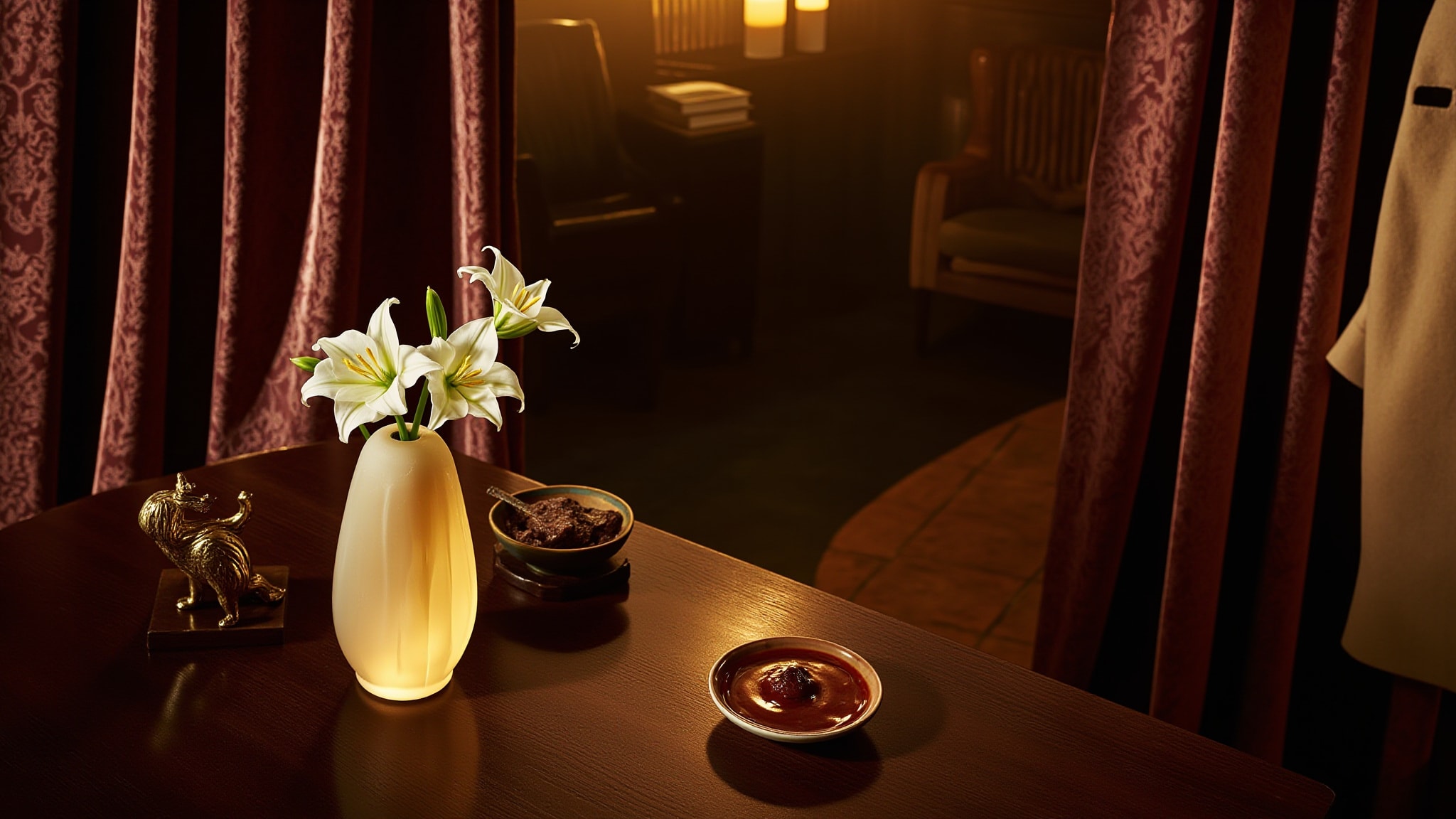
What makes 1,000 Lilies unusual is that it doesn't treat lily as a soft background element. Kenyan lily and pink lotus absolute sit at the center of the composition, not hovering at its edges. They're held in place by saffron, one of the most assertive materials in perfumery, and ylang-ylang's tropical cream, which prevents the whole structure from feeling clinical. The result is a white floral that doesn't retreat. Most fragrances build florals on a supporting chassis. This one makes the flower the skeleton and everything else the skin.
The evolution
The opening lands in waves. Red wine pours first, a rich tannic note that nobody expects from a floral fragrance. Beneath it, galbanum cuts with green sharpness, the smell of stems just cut, not arranged. This phase lasts a solid thirty minutes before the heart takes over. The handoff is sudden. One moment you're in a cellar; the next, lilies are everywhere, backed by saffron's dryness and Turkish rose that refuses to be decorative. The ylang-ylang comes last in the heart, creeping in with its custard-sweet warmth. By hour three, the drydown is resinous and close. Honey and myrrh wrap around Australian sandalwood, warm, faintly animalic, intimate. This is when the fragrance finally reveals its ancient reference. It smells like something burned on skin, not sprayed. The calamus adds an aromatic bite that persists into hour six, still readable on fabric the next morning.
Cultural impact
1,000 Lilies occupies an unusual position in modern fragrance: a true lily perfume that refuses to be delicate. Where most white florals are built soft and approachable, this one opens dark with wine and spice before the flowers arrive en masse. The Egyptian reference gives it intellectual weight, but what keeps people talking is the saffron-lily tension, a combination that shouldn't work but does. Among DSH Perfumes' output, this one has become a touchstone for collectors who want floral complexity that doesn't apologize for itself.