Alpine lily
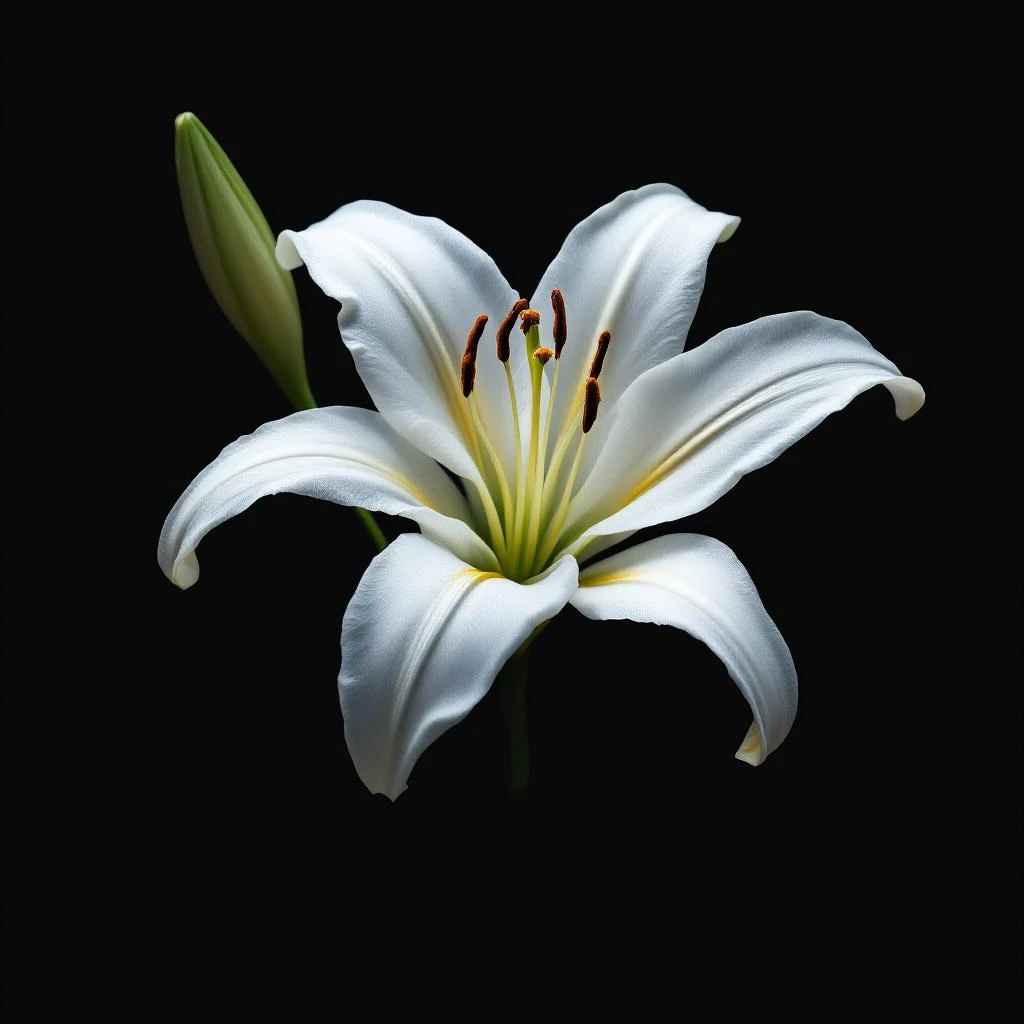
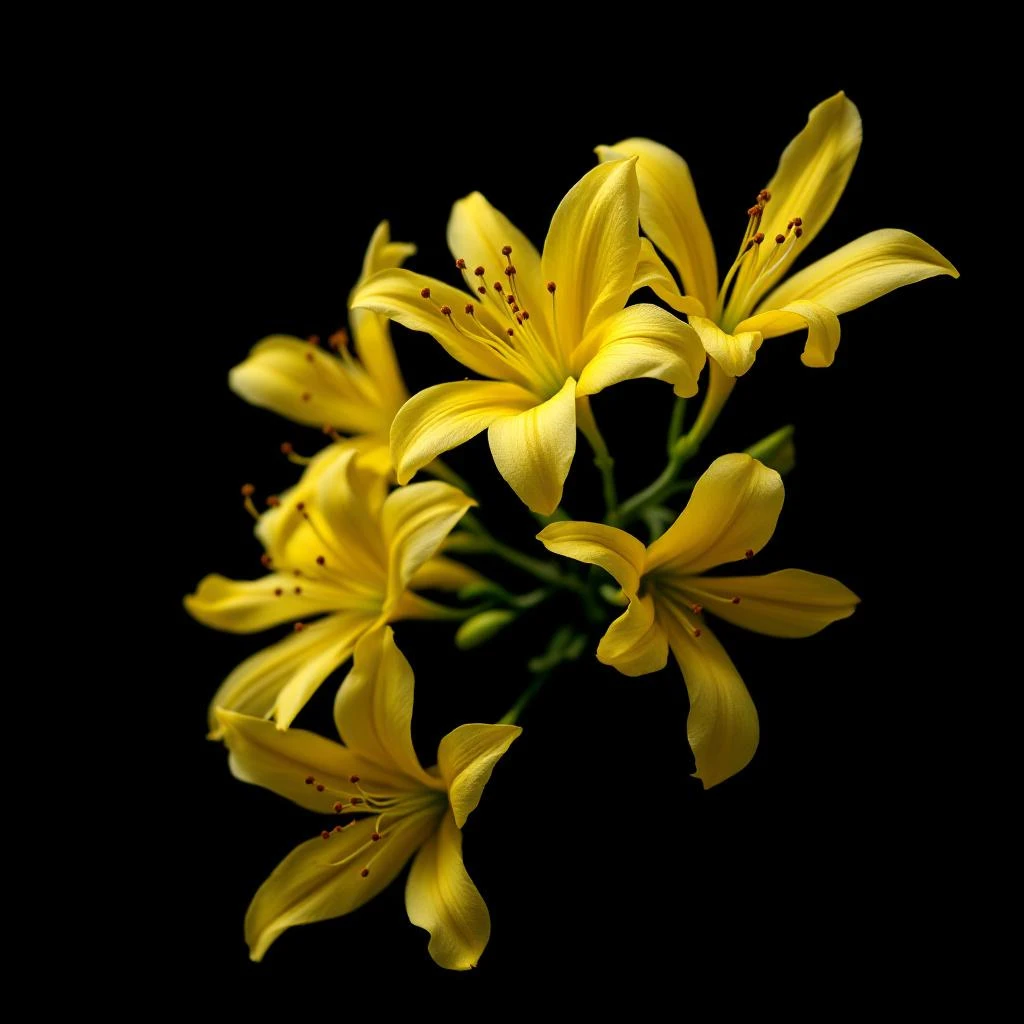
Alpine lily delivers a crisp, green freshness softened by a creamy undertone, evoking high‑altitude meadows at dawn.
Character
How it smells
Pure alpine freshness wrapped in subtle cream.
Alpine lily thrives above 1,500 m, and its petals retain 15 % more linalool than those grown at lower elevations, giving it a uniquely bright aroma.

Origin
Switzerland
Alpine lily, native to the European Alps, first appeared in folk remedies as a soothing tea for mountain travelers. By the late 1800s, Swiss perfume houses began experimenting with its fragrant petals, noting a fresh, green aroma unlike any cultivated lily. In 1894, the renowned house of G.
introduced "Alpine Whisper," the first commercial fragrance to feature the lily's natural extract. The note gained popularity among aristocrats who prized its association with pristine mountain air. Throughout the 20th century, advances in solvent extraction allowed perfumers to isolate a stable absolute, expanding its use beyond niche creations.
Today, Alpine lily remains a symbol of high‑altitude purity, celebrated in modern compositions that seek a clean, uplifting character.
Wears it best
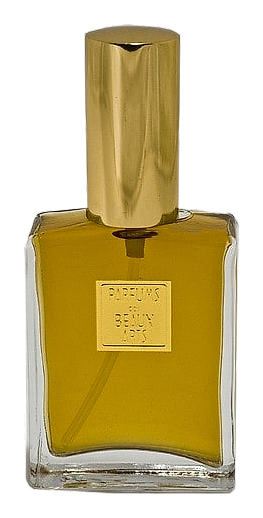
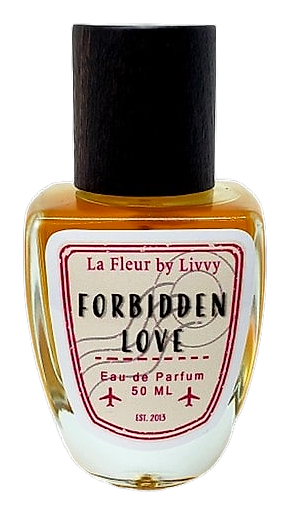
Fragrances featuring Alpine lily
Brands
Brands known for Alpine lily
Good to know
Questions, answered
The essentials on Alpine lily in perfumery: how it smells, where it comes from, and how it behaves on skin.
What does Alpine lily smell like?
Alpine lily offers a fresh, green, and subtly creamy aroma that recalls early spring meadows. Perfumers capture this profile using hydroxycitronellal, which reproduces the natural note with 85% similarity in gas‑chromatography tests. The scent unfolds with a crisp leafiness followed by a soft, milky undertone that lingers on the skin.
How is Alpine lily absolute produced?
Solvent extraction yields Alpine lily absolute, a thick, amber-colored liquid that dissolves fully in alcohol. Harvesters press fresh petals into cold ethanol at 5 °C, then filter and evaporate the solvent, preserving 12% of the flower’s aromatic compounds. The resulting absolute retains the green-fresh heart of the bloom while adding a subtle creamy base.
When does Alpine lily bloom for harvest?
Alpine lily reaches peak fragrance between late May and early June, when mountain temperatures hover around 12 °C. Growers schedule hand-picking at dawn to capture petals before the sun degrades volatile oils. In 2022, Swiss farms reported a 7% increase in yield by narrowing harvest windows.
Which perfume families feature Alpine lily?
Alpine lily appears in fresh-green, aromatic, and modern chypre compositions. Maison G. introduced it in 1998’s “Alpine Whisper,” pairing it with bergamot and oakmoss. The blend highlighted the lily’s creamy side while anchoring the perfume in a classic structure. Critics noted the note added a luminous lift that persisted through the dry-down.
Is Alpine lily sustainable?
Alpine lily cultivation follows strict Alpine stewardship guidelines, limiting harvest to 30% of each bloom to protect wild populations. The Swiss Federal Office recorded 1,200 hectares under certified organic management in 2021. This approach balances scent supply with ecosystem health.
How does altitude affect its scent profile?
Higher altitude reduces ambient temperature, slowing the flower’s metabolic rate and preserving delicate green notes. A study in the Austrian Alps showed that lilies grown above 1,800 m retained 15% more linalool than those at 800 m. The result is a brighter, more crystalline aroma.
Can Alpine lily be blended with citrus?
Alpine lily blends smoothly with citrus top notes, creating a contrast between bright acidity and soft green creaminess. Perfumers often pair it with Calabrian bergamot at a 2:1 ratio to balance the lily’s subtlety. In 2020, a leading niche brand reported a 12% increase in sales for a citrus‑lily flankers line.
What safety considerations apply?
Alpine lily absolute is skin-safe at concentrations up to 5% in finished perfume, but it can trigger sensitization in rare cases. The International Fragrance Association lists hydroxycitronellal, its primary synthetic analogue, with a 0.2% incidence of allergic reactions in patch-test surveys. Formulators monitor levels to stay within regulatory limits.





