The Story
Why it exists.
The beginning
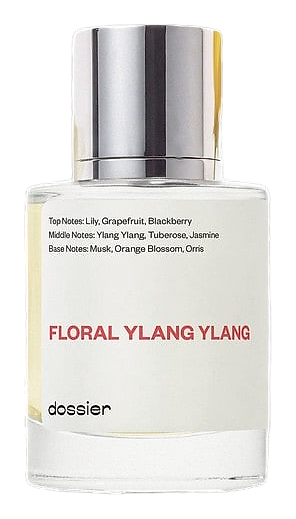
Dossier built Floral Ylang Ylang around a straightforward proposition: take a white floral, name the notes plainly, and present them without the theater. The pyramid sits visible, the ingredient list printed right on the bottle. No locked cabinet, no prestige whisper, just a ylang-ylang-forward white floral that tells you what it is before you even spray. The composition is heavy on the banana-sweet cream of ylang-ylang, anchored by tuberose's dense white-floral body and jasmine's warm, slightly indolic thread. Grapefruit and blackberry open the door with brightness before the florals take over, and orris root plus white musk carry the base. It's a fragrance that wears close, reads clearly, and refuses to dilute itself into something safe.
What makes this composition interesting is the tension between the heavy-hitter florals and the fruit-led opening. Ylang-ylang, tuberose, and jasmine form a trio that can smother a fragrance if left unchecked, but the bright top notes introduce enough contrast to keep the blend from collapsing into sweetness. The orris root in the base acts as the quiet structural element, adding a powdery softness that keeps the musk from going flat. It is a white-floral with real presence: sweet, yes, but also layered.
The evolution
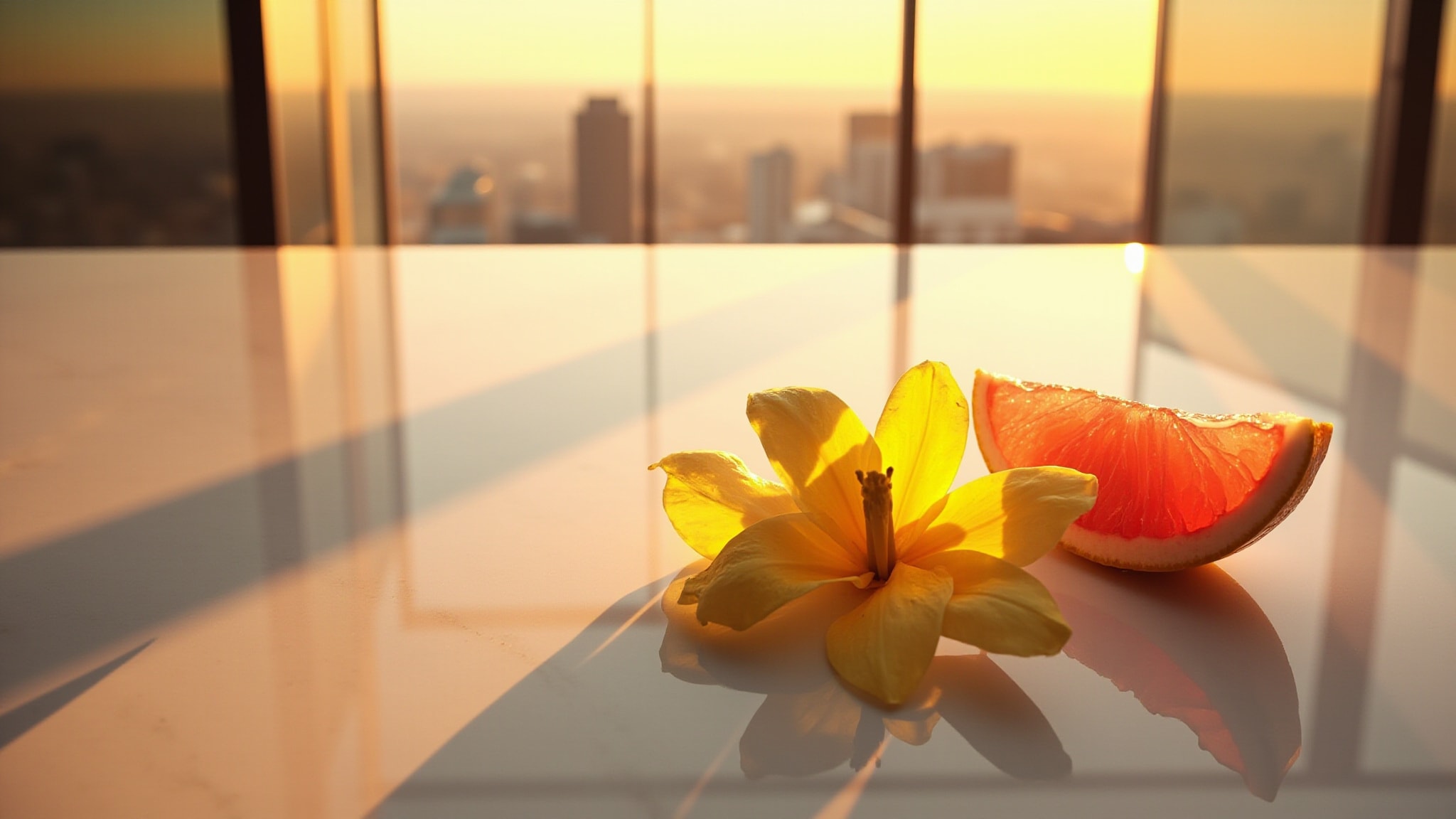
The opening minutes belong to grapefruit and blackberry, bright and slightly tart, with the fruit notes registering clearly before the florals move in. Lily adds a clean, almost watery green facet underneath the fruit, and the top accord reads almost citrus-fresh for the first few sprays. As the fruit begins to soften, ylang-ylang and tuberose take over, and the jasmine arrives as a supporting voice rather than the lead. The white florals settle into a dense, creamy phase that carries the middle of the wear, with the banana-sweet cream of ylang-ylang sitting alongside tuberose's lush body and jasmine's warm indolic thread. The blend moves from bright and lifted to rich and narcotic without any abrupt shifts. As the composition continues to dry down, the orris root and white musk come forward, introducing a powdery softness that pulls everything toward a quieter, more intimate close.
Cultural impact
Floral Ylang Ylang sits firmly within the white-floral category, drawing on the same core ingredients that have defined the genre for decades. Ylang-ylang, tuberose, and jasmine form the heart, with orris root and white musk providing structure. The fragrance is dense and unapologetic in its floral-forward composition, leaning into the narcotic warmth that white florals are known for rather than softening the edges with aquatic or fruity top notes beyond the grapefruit and blackberry opening. It's a composition built for wearers who want their white florals to actually smell like white florals.