The Story
Why it exists.
The beginning
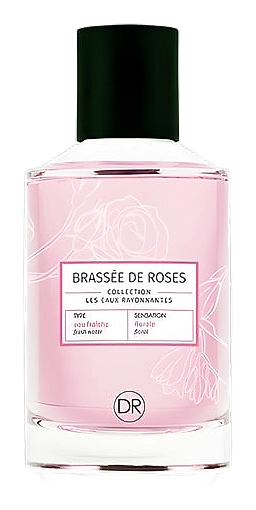
Brassée de Roses centers on rose without letting it stand alone. Its airy start of freesia and tea gives the floral theme freshness before jasmine, apple blossom, rose, and violet gather into a fuller heart. The rose remains the clear focus, surrounded by apple blossom's tender brightness, jasmine's creamy depth, and violet's powdery softness. Cedar, sandalwood, and white musk then lend the arrangement a composed, softly powdery finish. No perfumer is credited in the available record, so the intent is best read through the declared architecture of the notes themselves: a polished rose-led composition with enough brightness to feel lifted and enough woods and musk to remain composed.
The interesting part is the contrast around rose. Tea keeps the opening clear and green, while freesia adds transparency; those notes stop the floral heart from becoming heavy or overly sweet. Apple blossom lends a soft fruit-like brightness, and violet brings a powdery, violet-like texture beside jasmine and rose. Then the base changes the temperature. Cedar and sandalwood add a measured woody structure, while white musk gives the composition its clean, close-fitting finish. The result is neither a dense bouquet nor a bare rose soliflore. It layers familiar materials with enough contrast to move from a tea-and-flower opening into a composed floral middle, then a calm musky drydown.
The evolution
The opening begins with a cool, translucent impression as freesia and tea lend the composition a fresh, lightly green character. That clarity gives way to a fuller floral phase when jasmine, apple blossom, rose, and violet arrive. The rose becomes the emotional center, but it shares the stage with apple blossom's tender brightness and violet's powdery softness. Jasmine adds creamy depth without overwhelming the bouquet. As the fragrance develops, the composition settles into cedar, sandalwood, and white musk. The woody notes bring a calm, polished structure, while the musk keeps the result feeling clean and close to skin. The turn is how convincingly this floral composition behaves, less like a garden bouquet and more like a well-cut dress.
Cultural impact
Brassée de Roses offers a contemporary reading of a familiar floral subject. Its rose is surrounded by freesia, tea, jasmine, apple blossom, and violet before settling into cedar, sandalwood, and white musk, giving the composition freshness, depth, and a polished finish. The result feels especially inviting for those drawn to modern floral scents with a clear structure and restrained, character-driven elegance.