
Heritage
A house, in its own words
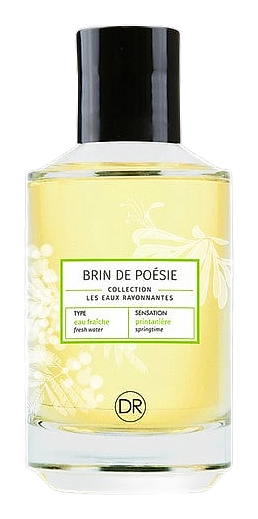
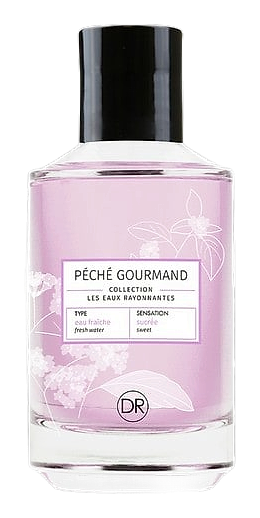
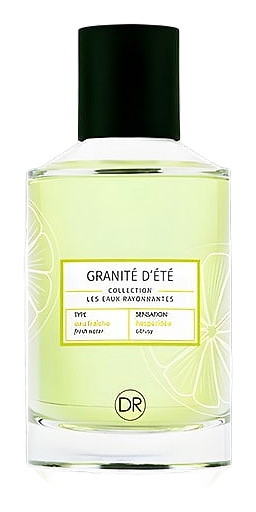
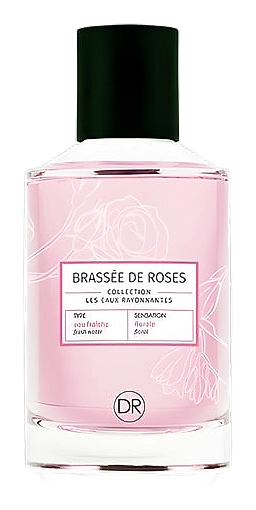
The available record does not provide a documented founding story for Docteur Renaud. The search material supplied for this profile offers no founder name, founding date, original address, family history or earlier milestones, and the references returned concern other French perfume houses, including Houbigant, D'ORSAY and Guerlain. Those histories do not establish any connection with Docteur Renaud and should not be treated as part of its story. The one clear chronological point is the launch of the house's five fragrances in 2019. Their names, Brassée de Roses, Brin de Poésie, Granité d'Été, Pêché Gourmand and Bouquet Fruité, suggest a deliberate collection structure built around rose, poetic green notes, summer refreshment, gourmand indulgence and fruit-floral brightness. It is therefore reasonable to describe 2019 as the beginning of the documented catalogue, but not as the founding year of the company. No reliable source reviewed here identifies the house's earliest formulations, creator, collaborators, distribution partners or development process. This limited record is important, because it keeps the profile anchored to what can be verified rather than filling gaps with inherited French perfume-house history. Docteur Renaud's creative direction can be read through the naming and character of its five fragrances. Each title acts as a compact piece of olfactory storytelling: Brin de Poésie introduces a wisp of green floral imagination, Granité d'Été turns toward the visual language of a chilled summer drink, and Bouquet Fruité places fruit at the centre of a floral arrangement. Pêché Gourmand extends the house's playful register into sweetness, while Brassée de Roses focuses on a rich and familiar floral subject. The collection does not present a single house signature so much as a set of clearly differentiated moods. Its restrained scale also matters. Five perfumes form a curated frame, placing greater emphasis on distinct ideas than on volume. The brand's name borrows the authority and warmth of a doctor or apothecary, but the fragrances themselves avoid clinical austerity. They use that traditional framing for vivid, accessible themes. Without verified statements from the house, it would be unsafe to assign it a formal philosophy of naturalism, artistic independence or French perfumery. Its observable approach is better described as narrative naming, thematic contrast and a compact range built around recognisable sensory experiences.