The Story
Why it exists.
The beginning
Fioraie translates floral excess into scent. The name suggests both beauty and commerce, the moment a bouquet passes from hand to hand. Rose, mandarin, and bergamot arrive with a polished brightness, an immediate impression of freshness. The heart thickens as honey drips, plum and passion fruit turning the sweetness toward something richer, almost jam-like. This is abundance in scent, the flowers releasing everything they saved for bloom. The composition moves from gesture to substance, the opening confident and bright, the heart deepening into something headier, sweeter, almost fermented in its intensity. The structure holds that tension beautifully: what begins as polished and impressive evolves into something wilder, more generous, more alive.
Oakmoss anchors the composition. The honey-amber axis creates a golden thread through the scent, connecting disparate elements. Patchouli and styrax add resinous depth that extends the drydown well beyond where the sweetness wants to go alone. The result feels both vintage and contemporary, the warmth of something remembered, the earthiness of something still growing. Fioraie builds downward where many florals would simply fade, the base notes providing structural integrity that holds the entire composition together.
The evolution
The first minutes announce themselves clearly. Rose, bergamot, mandarin, a bright citrus-kissed rose that reads as polished and immediate. The mandarin adds a burst, almost fizzy, while bergamot keeps things structured with a faint green edge. The first hour shifts. Honey and jasmine emerge, but so do the tropical notes. Passion fruit and plum deepen the sweetness into something richer. This is where Fioraie earns its name, the flowers have been sitting, releasing everything they saved for bloom. The second and third hours belong to the middle. Jasmine takes a more prominent role, blending with the fruit into a syrupy heart. The sweetness doesn't retreat so much as evolve, still present, but warmer, more complex. The drydown is where oakmoss arrives fully. Earthy, slightly animalic, it grounds everything and extends wear substantially. Patchouli, musk, styrax, amber, a warm, intimate base that holds on skin well past the point where most florals have dissipated. On fabric, it lingers another day.
Cultural impact
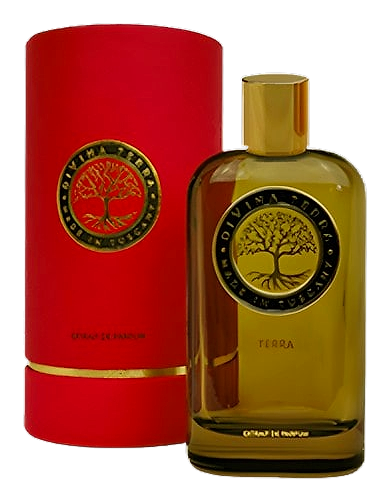
DiVina Terra presents a collection numbered from 01 through 09, each fragrance exploring a distinct emotional landscape. Fioraie occupies a specific position within that framework, drawing from Italian linguistic roots to suggest a space of floral abundance. The approach appeals to wearers who find meaning in sensory poetry and unexpected combinations rather than conventional luxury branding.
The House
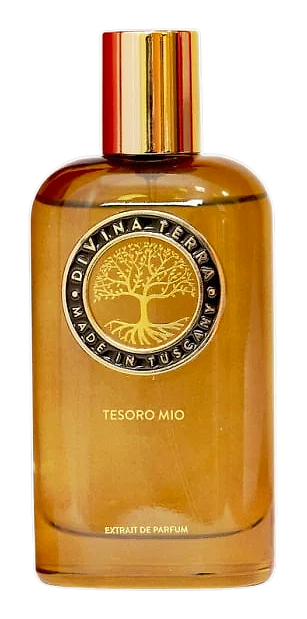
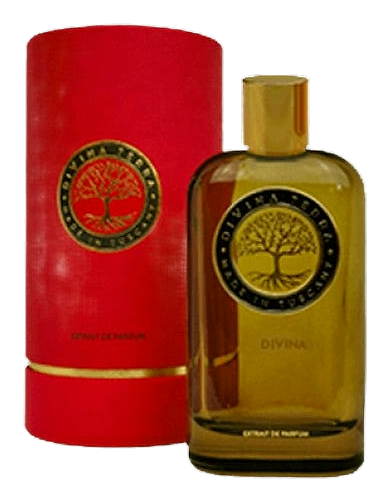
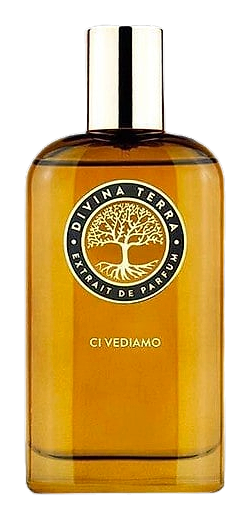
DiVina TerraDiVina Terra is an Italian niche fragrance house established in 2019, operating at the intersection of perfumery, visual art, and the sensory traditions of Tuscany. The brand emerged from a creative collaboration between founder Larisa Karaban and the design duo Tiziana and Paolo Terenzi. Their fragrance collection follows a numbered system (01 through 09, plus limited editions), offering olfactory interpretations of emotional moments, natural landscapes, and moments of human connection. The house draws direct inspiration from Tuscan terroir, translating the aromas of vineyards, olive groves, and Mediterranean herbs into wearable compositions. As of 2025, the brand has released sixteen distinct perfumes, with annual limited editions expanding the collection. The brand maintains a presence across European markets while cultivating a devoted following among collectors who value their unconventional approach to scent creation.
The Creator
Paolo TerenziWorking from a studio filled with rare essences and precious ingredients, Terenzi gravitates toward oud wood, ambergris, and benzoin resin, among other treasured materials. His creative ritual begins each morning with meditation before he gives free rein to instinct.