The Story
Why it exists.
The beginning
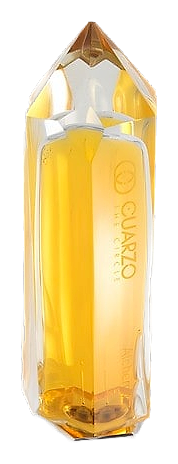
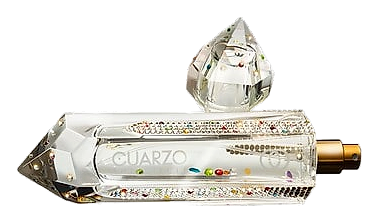
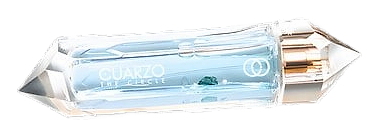
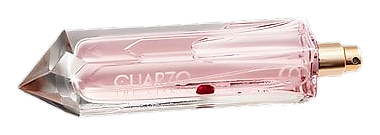
Ruby landed in 2010 as part of Ramón Béjar's gemstone collection at Cuarzo The Circle, a niche Spanish house where the jeweler's eye shapes the perfumer's hand. Béjar doesn't treat stones as metaphors. He composes them. Ruby is the first piece in a series that runs through Emerald and Sapphire, each one a self-contained attempt to render a mineral's optical character in scent. The house thinks of these compositions as wearable objects, closer to a setting than a spray, and the name is a precise instruction: render red, render density, render fire without heat. Béjar drew from decades running Béjar Signature, the parent perfumery founded in 1980, building the kind of formula that needs years of maceration before the materials stop arguing and start conspiring.
What distinguishes Ruby from the rose-raspberry crowd is the structural choice to anchor bright fruit and white florals on amber rather than the usual musky haze. Ginger does unusual work here too. It opens sharp enough to read as a separate instrument, then behaves like seasoning later in the drydown, lifting the vanilla without sweetening it. Neroli and ylang-ylang together is a choice; neroli cools, ylang goes narcotic, and the tension between them gives the heart a push-pull that most floral compositions avoid. The benzoin sits in the base like a slow-burning resin rather than a sweetness, which lets the red-berry reading survive deeper into the wear.
The evolution
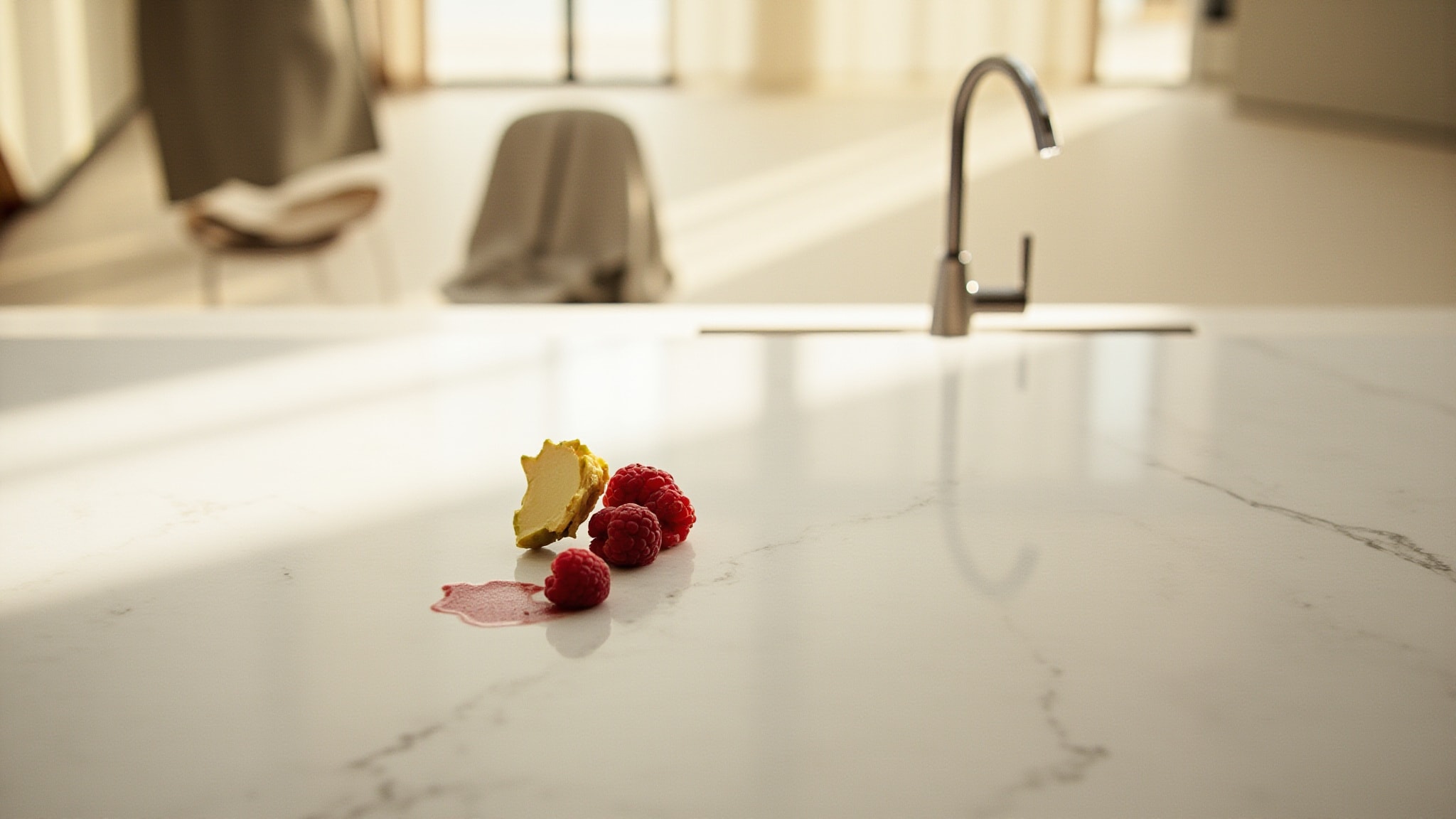
The first ten minutes are the loudest part. Raspberry and ginger collide at the surface, almost fizzy, and the lemon underneath makes it brighter than you'd expect from a fragrance with amber and vanilla in its base. By the 30-minute mark the rose and neroli have taken the wheel. It's a generous white-floral heart, less soapy than creamy, with ylang-ylang adding a bananas-and-cream curve that rounds out the neroli's sharper edges. Nothing disappears so much as gets layered over. Around hour three the amber and benzoin start speaking with real authority, and the vanilla arrives warm and resinous rather than gourmand. The raspberry is gone as a distinct note but the red-fruit ghost persists through the sweetness, which is a clever trick. By hour five you're wearing soft amber with a vanilla-benzoic glow and a faint floral memory. The sillage settles to skin-close by the six-hour mark. What lasts past that is a quiet benzoin-amber trace, the kind that greets you when you pull a sweater over your head the next morning.
Cultural impact
Ruby sits in an unusual pocket of niche perfumery where the gem-themed concept isn't a marketing afterthought but a compositional constraint. Wearers tend to be collectors who already track houses like Hiram Green and Pierre Guillaume, people who want the florals to read loud and the fruit to stay grown-up. It rewards attention over the first hour and asks for a wearer comfortable with a composition that announces itself.
The House
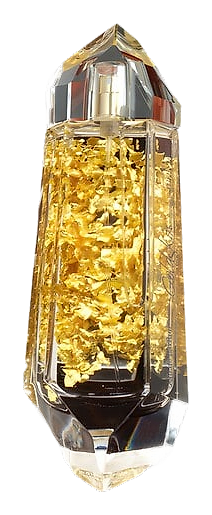
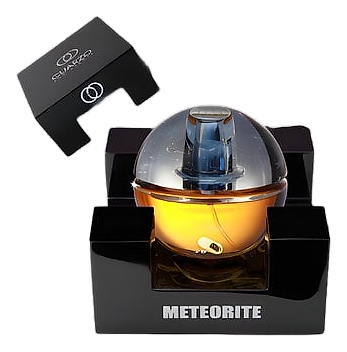
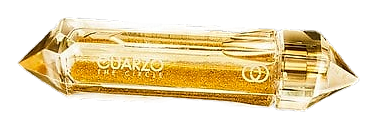
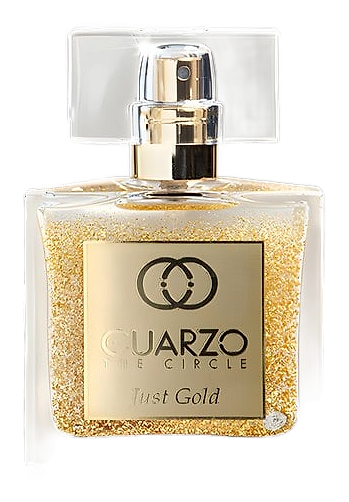
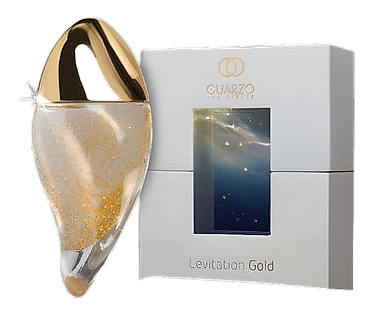
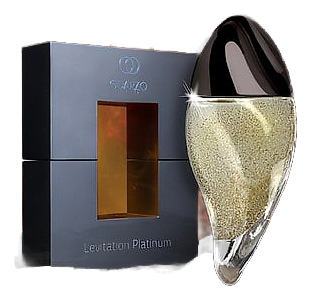
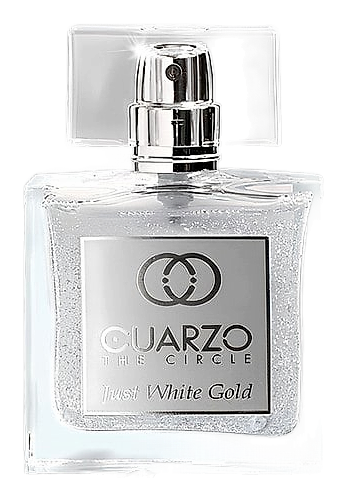
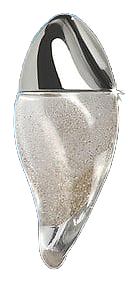
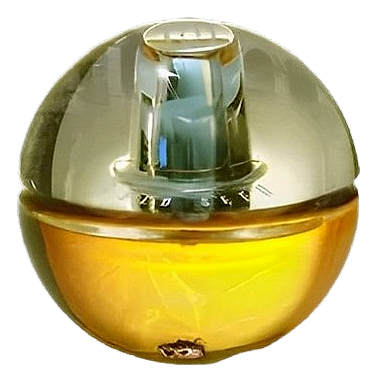
Cuarzo The CircleCuarzo The Circle is a Spanish niche fragrance house founded by perfumer Ramón Béjar. The name derives from the Spanish word for quartz, reflecting the brand's mineralogical aesthetic. Béjar draws on a family legacy in both perfumery and jewelry, creating scents that translate precious stones and metals into olfactory form. The collection features gem-themed compositions including Ruby, Emerald, and Sapphire, alongside releases like Black Diamond and Gold Seed from 2014. The house operates from Spain, combining natural essences with a jewelry-maker's precision to position each fragrance as a wearable, aromatic object.
The Creator
Ramón BéjarOriental materials anchor Béjar's aesthetic, a direct result of his formative training. He gravitates toward raw materials with depth and history—oudhs, resins, rare florals—handling them with restraint that allows their complexity to unfold gradually on the skin.