The Story
Why it exists.
The beginning
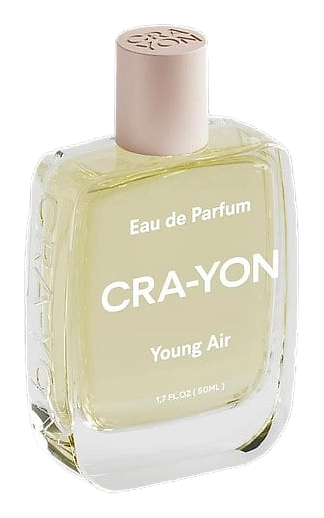
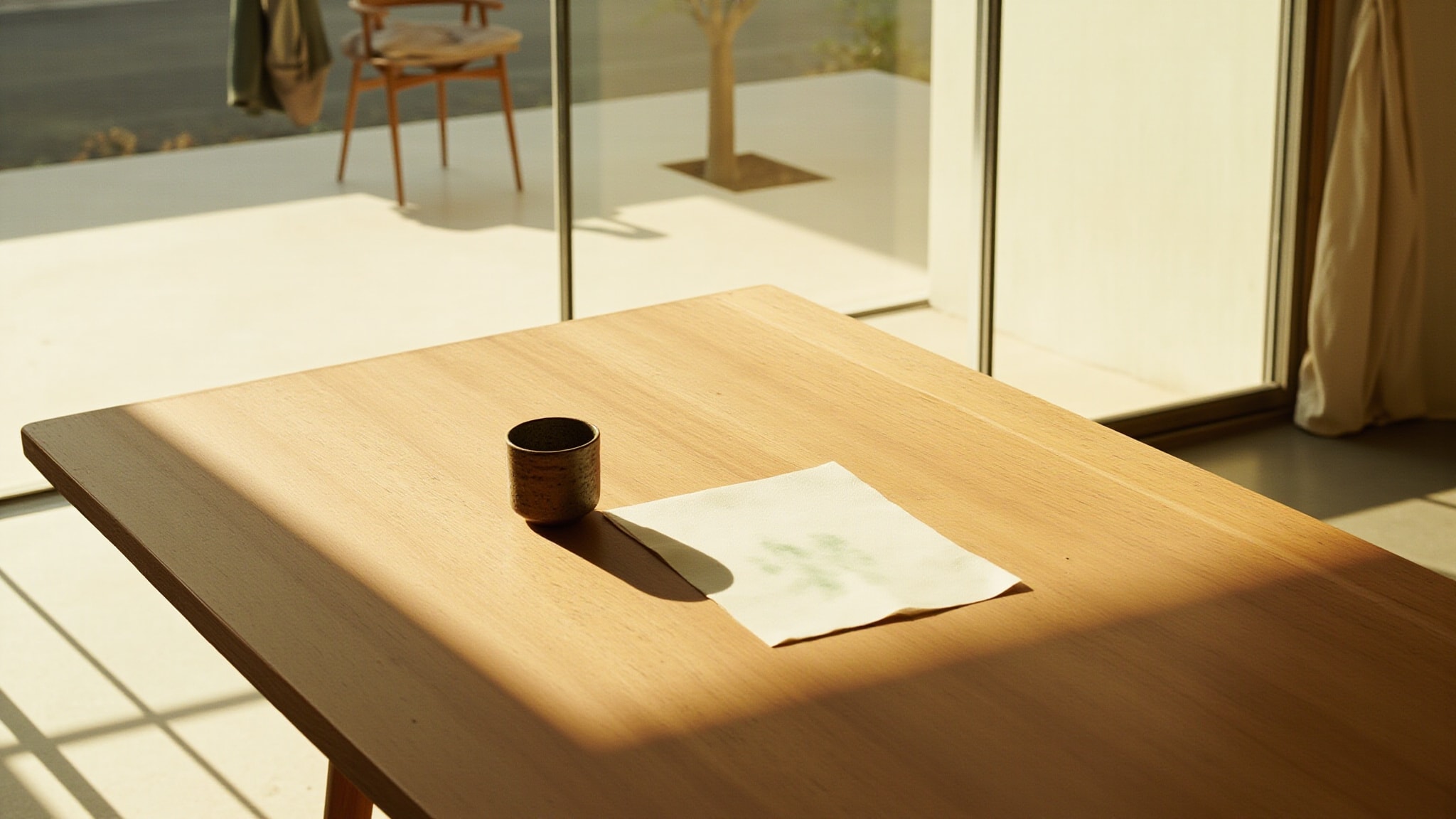
There's a particular kind of air in a room where someone is writing. Ink drying on a page, a cup of matcha gone cold, the green dust of cypress drifting through an open window. Young Air sets out to bottle that exact atmosphere, the suspended moment between thought and execution, when nothing has happened yet but everything feels possible. Released in 2026 and composed by Julie Pluchet with CPL Aromas, the fragrance is built around the idea of a subtle personal aura, a scent that creates presence without volume. The brand presents it as a clean everyday composition, but the structure suggests something more deliberate.
What makes Young Air unusual is its refusal to behave like a typical green fragrance. The top notes combine cypress with paper and ink, an accord more commonly associated with literary or conceptual perfumery than with wearable daily scents. Matcha green tea adds a vegetal bitterness that grounds the composition before the heart unfolds, while hinoki wood brings the warm, almost sauna-like quality of Japanese bath culture into the heart. The leather and fig combination adds an unexpected fleshiness, a counterweight that keeps the green from feeling sterile or abstract. The result is a fragrance that smells like a specific room rather than a generic fresh scent.
The evolution
The first fifteen minutes belong entirely to the top. Cypress cuts through first, green and resinous, followed almost immediately by the paper-and-ink accord, which reads less like ink on paper and more like the ghost of ink, a memory of something written rather than something sharp. Green matcha swells underneath, vegetal and a little bitter, pulling the opening toward something that feels brewed rather than sprayed. There's a coolness here, almost mineral, the kind of clarity that makes a small space feel larger. By the thirty-minute mark, the composition shifts. Leather arrives quietly, not the heavy saddle-leather of a biker jacket but something softer, suede-like, the inside of a notebook cover. Cinnamon and clove warm the heart, but never aggressively, more like the lingering heat of a drink that was hot an hour ago. Fig adds a quiet sweetness, green and slightly woody rather than jammy. Hinoki wood becomes the dominant material, bringing that specific Japanese bathhouse warmth, cedar-sappy, almost lemony, deeply calming.
Cultural impact
Young Air occupies a specific corner of the clean-fragrance conversation, one where green, woody, and quietly intellectual meet. Wearers gravitate toward it as a personal-aura scent, the category of fragrance designed to create presence without projection, and it sits comfortably alongside other modern minimalist compositions that prioritize material quality over loudness. Its paper-and-ink opening and hinoki wood heart make it a distinctive choice for someone who wants something that smells like a thought, not a statement.
The House
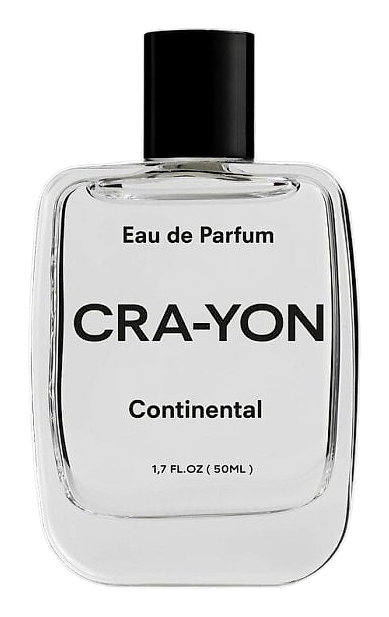
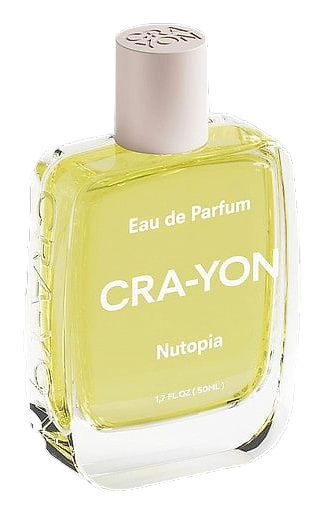
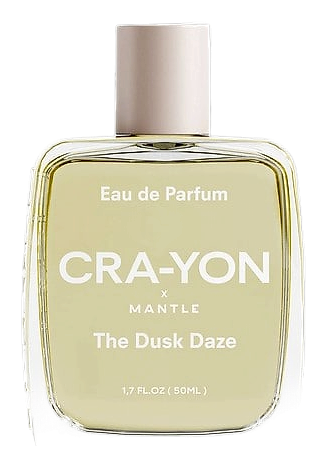
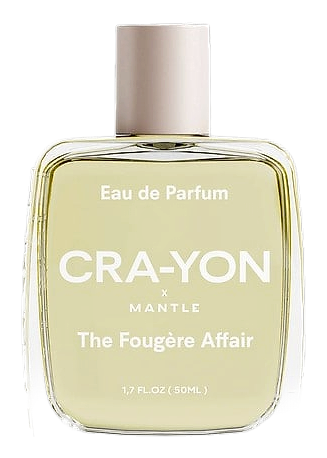
Cra-yonCRA-YON is a Swedish-French fragrance house founded in 2020 by the husband-and-wife team Christine and Niclas Lydeen. Headquartered in Paris, the brand brings together Scandinavian design sensibility with French perfumery tradition. The founders, previously behind the established Agonist Perfumes brand, established CRA-YON to create what they describe as vibrant, expressive scents centered on personal well-being and self-expression. Their catalog spans over a dozen fragrances released between 2020 and 2024, including the playful Vanilla CEO, the travel-inspired Passport Amour, and more recent compositions like The Dusk Daze and The High Road from 2024. The brand positions itself as a clean perfumery option, with formulations described as non-toxic and developed through a reported decade of combined fragrance expertise.
The Creator
Julie PluchetThe hallmark of Pluchet's work is balance achieved through contrast. She reaches for classical architecture in her compositions, then introduces a contemporary tension that keeps the fragrance feeling alive.