The Story
Why it exists.
The beginning
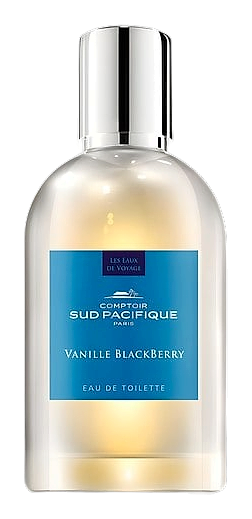
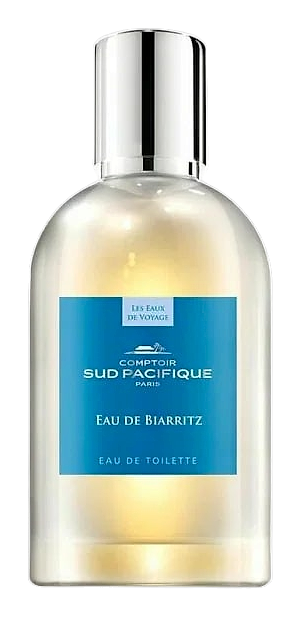
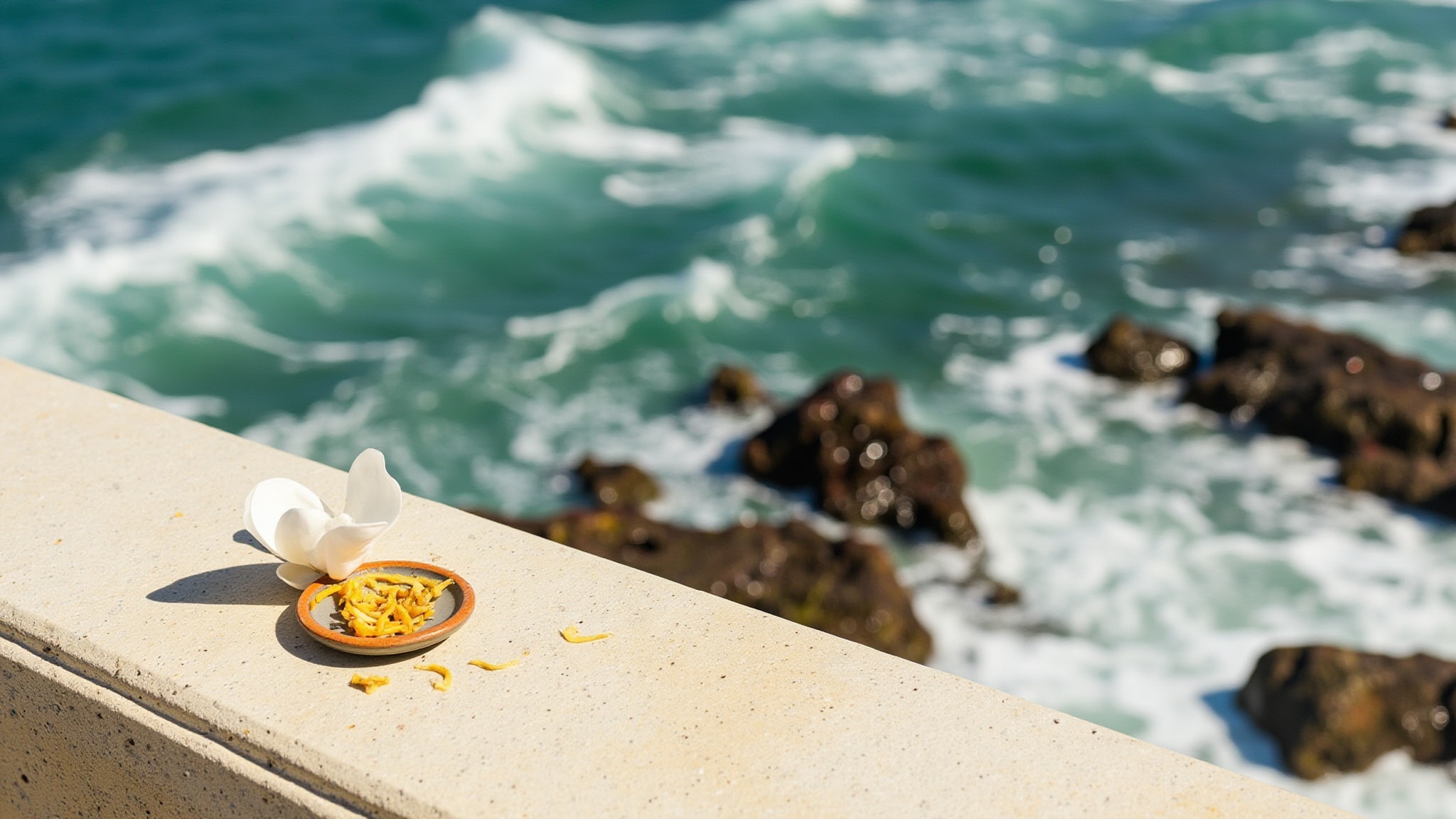
Comptoir Sud Pacifique named this fragrance after Biarritz, and the composition reads like a postcard from there: the cold green of the ocean meeting something floral and a little wild. Released in 1995, it was part of the brand's Eaux de Voyage collection. The composition leans into the aquatic side of perfumery, with marine vegetation sitting alongside florals to create a scent that feels both salt-kissed and softly botanical. Bergamot opens the fragrance with a brisk citrus lift, immediately bright and slightly bitter, the way the rind smells when you tear it fresh. Magnolia follows, not soapy or indolic but rather cool and creamy, spreading like light across a cloudy sky.
The unusual move here is the brown algae. Most aquatic fragrances reach for calone or generic sea accords. This one puts actual marine vegetation in the heart, which gives the dry, mineral saltiness that defines the composition. Tonka bean sits alongside it, smoothing the edges. The base then folds in Siam benzoin and Mysore sandalwood, two materials with real warmth and resinous depth. The tonka doesn't behave like a gourmand element here; instead it adds a soft, almond-like sweetness that rounds out the salt without overwhelming it.
The evolution
The first ten minutes are clean and a little sharp: bergamot brightness with magnolia opening up over the top, almost powdery in the way white florals get when they're caught in cold air. The aquatic register arrives quickly, but it doesn't smell like a pool or a generic ocean. There's a greenness, slightly vegetal, and it holds for the first hour without softening much. The heart introduces the tonka, which sweetens the salt without tipping it into gourmand territory. By the two-hour mark, the green is gone and the composition has shifted firmly into resin territory. Benzoin and sandalwood carry the rest of the wear, warm and slightly creamy, with the faintest marine memory still clinging to the edges. On fabric the next morning: benzoin, mostly. Soft and resinous, the aquatic notes long gone.
Cultural impact
Eau de Biarritz sits within the aquatic floral category, a corner of French perfumery that became more visible in the 1990s. The brown algae note marks it as something more grounded than many of its contemporaries. Wearers describe it as a scent that reads more like a memory of a coast than a beach perfume, earning it a particular kind of appreciation among those drawn to its vegetal-marine character. Its sillage, rated at 5.9 from 13 ratings on Parfumo, places it in a moderate range, making it a daytime composition suited to its personal, close-to-skin character. The kind of thing that suits a walk along the water more than a crowded room.