Brown Algae
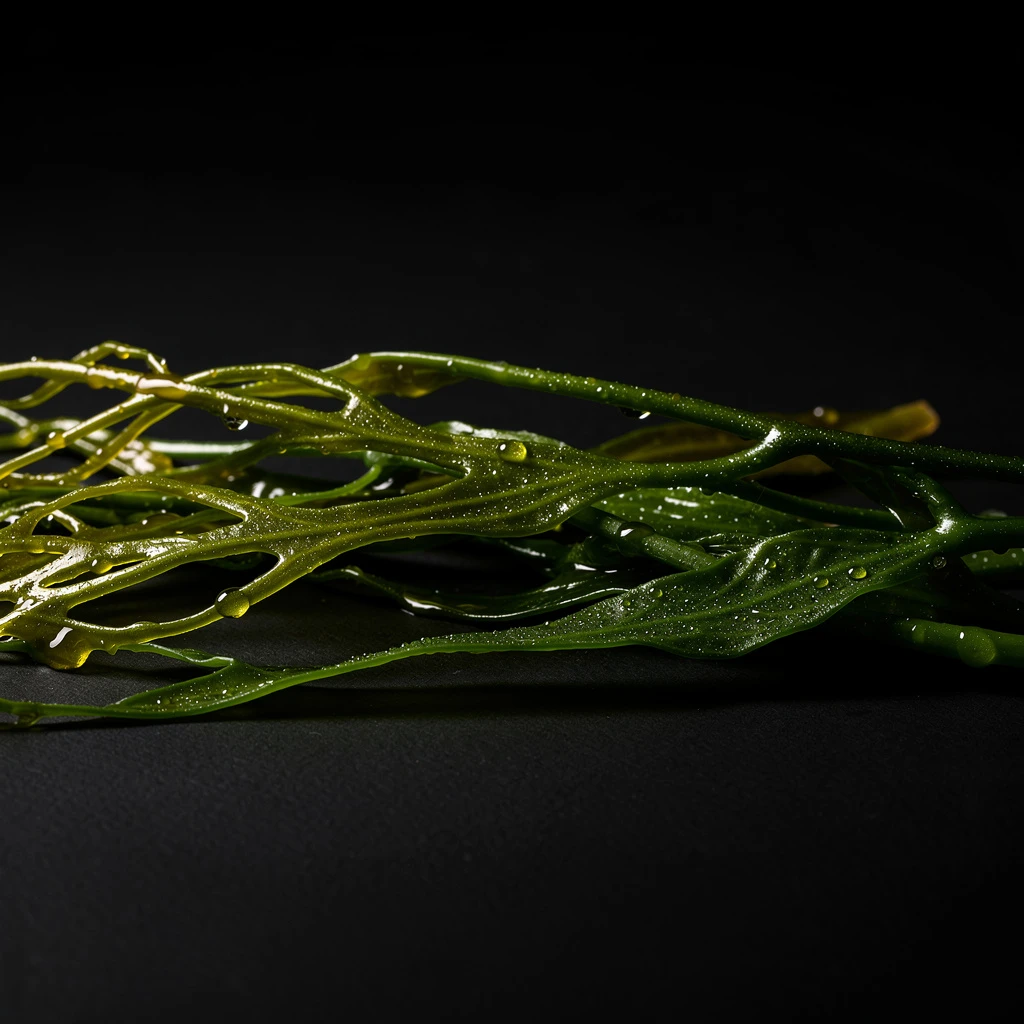
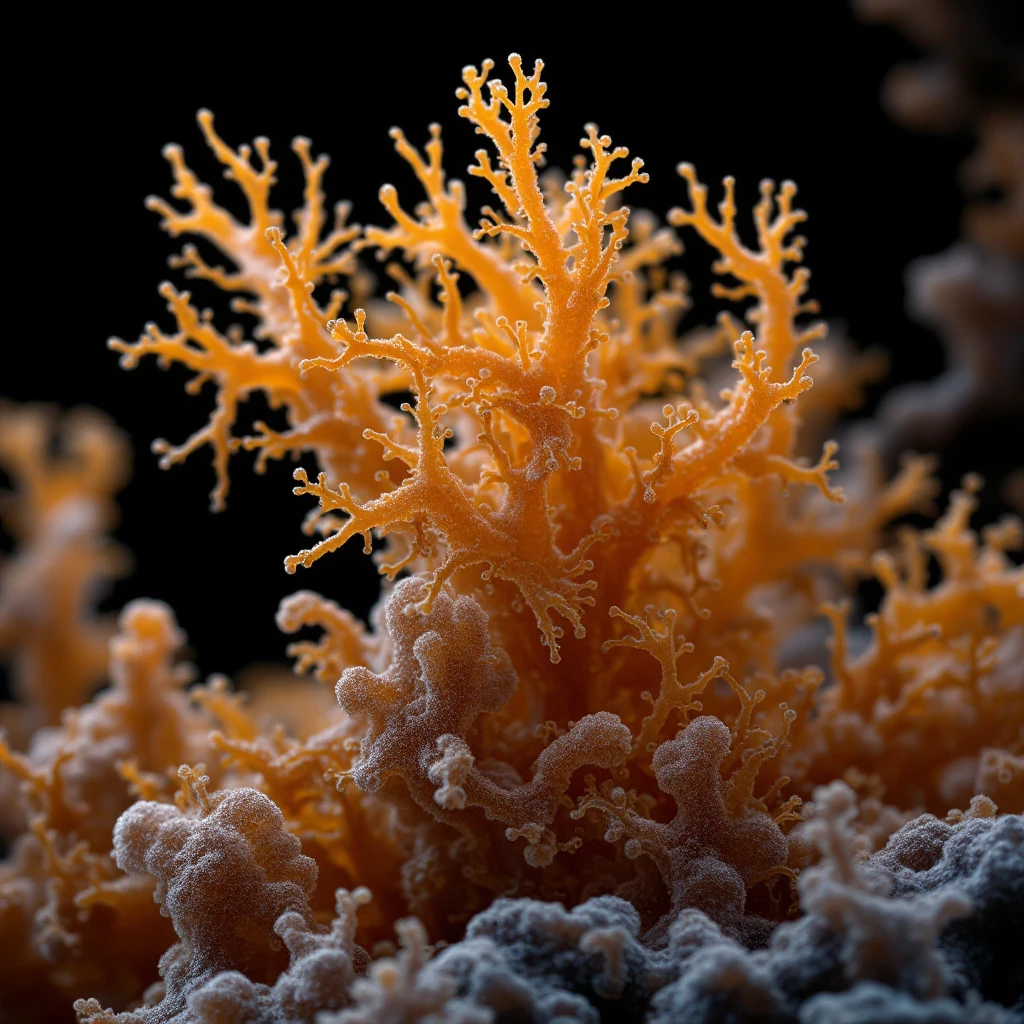
From the rocky shores of Brittany, brown algae brings the deep, mineral essence of the ocean floor to perfumery. Its extract captures the briny, ozonic character of tidal pools and sun-bleached kelp beds.
Character
How it smells
The mineral soul of the ocean floor
Ancient Celtic cultures used brown algae in ceremonial baths, believing its scent connected the living to the sea.




Origin
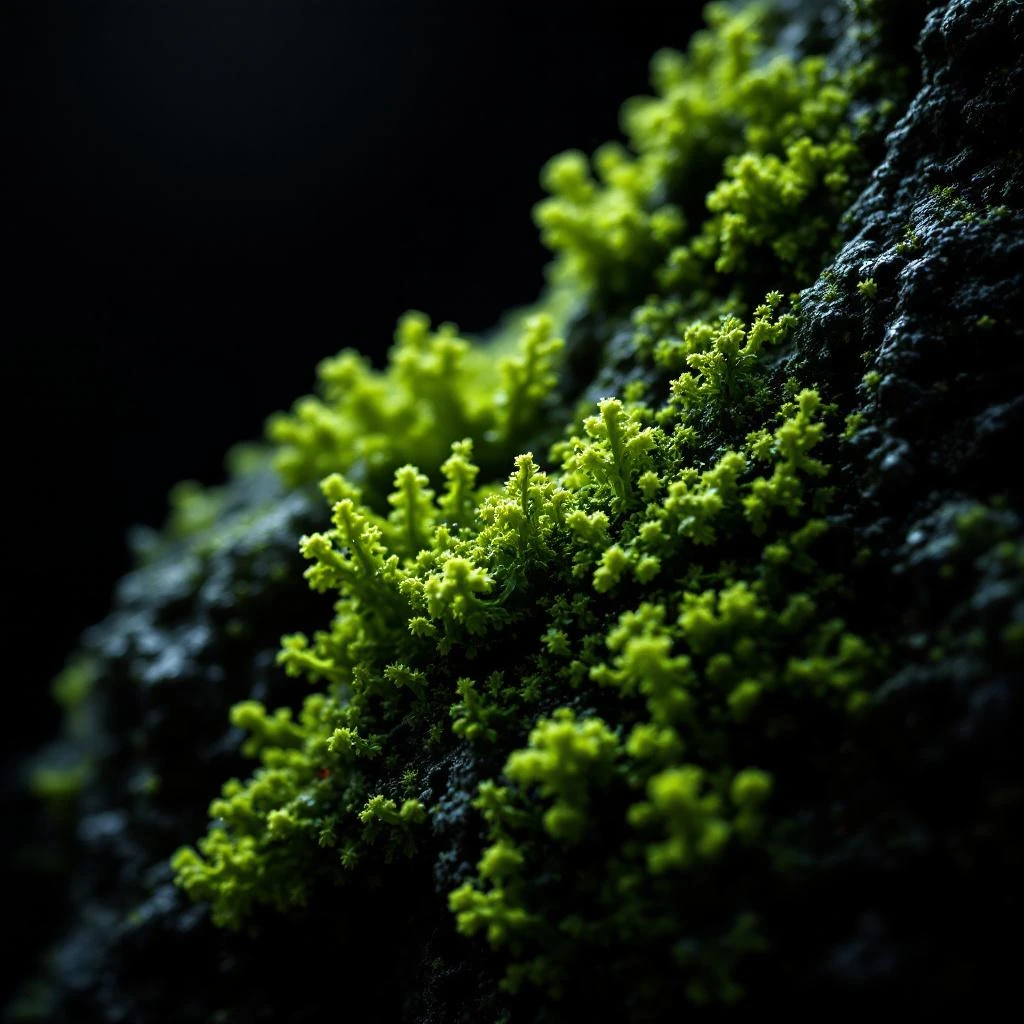
France
Coastal communities have harvested brown algae for millennia, using it as fertilizer, food, and medicine long before it entered perfumery. The Celtic peoples of Brittany and Ireland documented algae use in ritual practices, valuing its connection to the sea. By the early twentieth century, French perfumers began experimenting with marine ingredients as synthetic aquatic notes did not yet exist.
The breakthrough came when extraction techniques improved enough to capture algae's subtle aromatic profile without overwhelming marine iodine notes. Today, sustainable harvesting of species like Fucus vesiculosus and Ascophyllum nodosum supports a small but dedicated corner of natural perfumery, offering an alternative to synthetic marine accord molecules.
Wears it best
Fragrances featuring Brown Algae
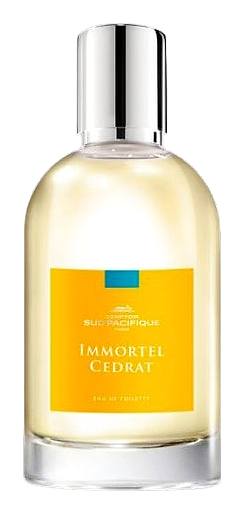
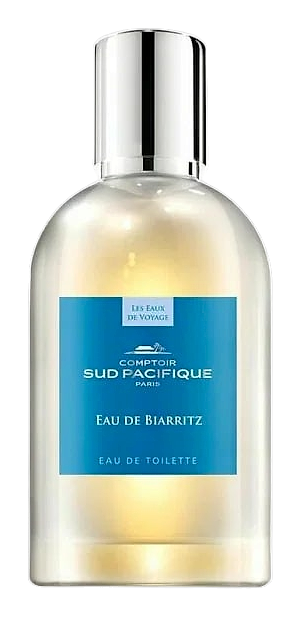
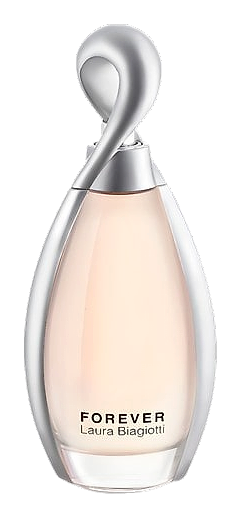
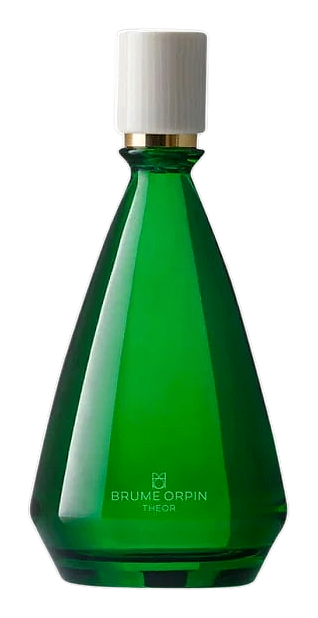
Brands
Brands known for Brown Algae
Good to know
Questions, answered
The essentials on Brown Algae in perfumery: how it smells, where it comes from, and how it behaves on skin.
What does brown algae smell like in fragrance?
Brown algae extract carries a briny, mineral quality reminiscent of wet stone and tidal pools. It adds depth to marine compositions with subtle earthy undertones rather than sweet aquatic notes.
Is brown algae used as a natural or synthetic ingredient?
Brown algae in perfumery is a natural extract. Harvesters collect wild seaweed from cold coastal waters, then process it through solvent extraction to preserve its marine-mineral character.
Which fragrance families commonly use brown algae?
Chypre, oceanic, and aromatic compositions most often feature brown algae. Its mineral quality supports marine and green fragrance directions while adding authenticity to ocean-themed perfumes.
What countries produce the best brown algae for perfumery?
France, particularly Brittany, leads in producing high-quality brown algae extract. The cold North Atlantic waters and rocky coastline produce species with optimal aromatic compound concentrations.
How does brown algae differ from other marine ingredients?
Unlike sweet algore or synthetic aquatic notes, brown algae delivers mineral depth and earthiness. It lacks the sweet floralcy of some marine ingredients, offering instead a grounded oceanic character.
Is brown algae harvesting sustainable?
Responsible harvesting follows regrowth cycles and harvests only a portion of each bed. Certified producers in Brittany adhere to seasonal limits ensuring long-term ecosystem health.
What extraction method preserves brown algae's aroma best?
Solvent extraction with food-grade ethanol or hexane captures the full aromatic spectrum. Supercritical CO2 extraction produces a cleaner concentrate with slightly different character.
How should fragrances containing brown algae be stored?
Store in a cool, dark place away from temperature fluctuations. The marine compounds remain stable for several years when properly sealed, maintaining their mineral character.