The Story
Why it exists.
The beginning
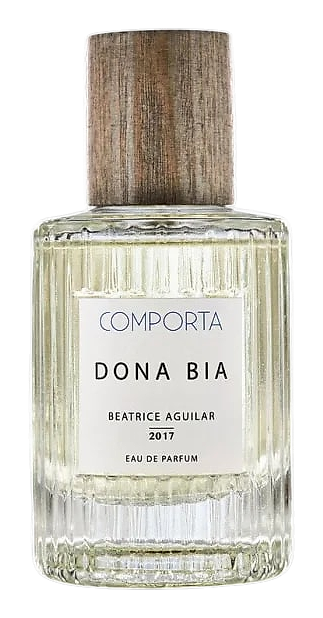
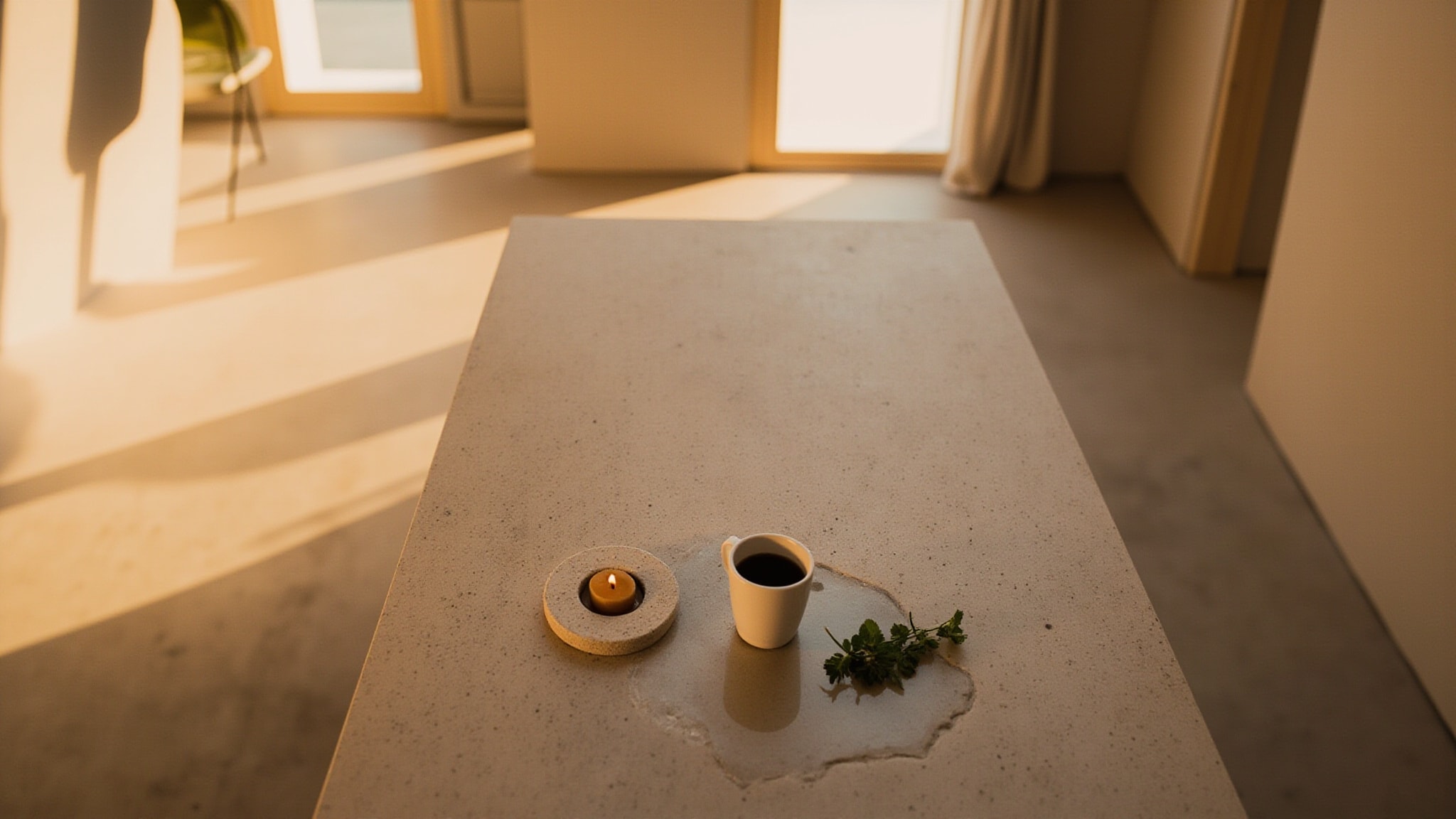
Dona Bia takes its name from a restaurant in Comporta, a region in Portugal that anchors the identity of Comporta Perfumes. The house launched in 2017 with a clear premise: fragrance as memory, landscape, and story inscribed onto skin. This particular composition was the brand's translation of those long, unhurried evenings, the ones where the wine runs low, the candles burn uneven, and nobody checks the time. Béatrice Aguilar composed the scent, building it around the sensory atmosphere of that kind of dinner. Not the food itself. The warmth left behind when plates are cleared and conversation gets quieter.
What's interesting here is the unusual collision of notes. Wine lees, the sediment of fermented grape, carries a sour, yeasty depth that reads almost like bread dough or vinegar before it sweetens. Paired with coffee, the two materials share a roasted bitterness, a shared family of dark, fermented warmth. Mint, then, is the cool counterweight, cutting through what would otherwise become heavy. At the heart, mastic, a resin with a distinctive piney, slightly salty chewiness, adds a textural bridge between the gourmand opening and the smoky, frankincense-laden base.
The evolution
The first hour is the restaurant. Wine lees and coffee arrive together, dark and a little sour, with mint threading through like cold air through a cracked window. It smells like the end of a meal where the espresso came out late. Around the thirty-minute mark, the gourmand sweetness tightens. Mastic and a basket of generic spice notes warm the center. The smoke starts here, quiet at first, almost more suggestion than presence. By hour two, the coffee has receded. What replaces it is frankincense, true church-resin smoke, and amber. The composition turns balsamic. Sweet without being sugary, warm without being foody. It holds this shape for hours. Sillage is moderate, intimate enough that you'll catch it on your own sleeve before anyone across the table does.
Cultural impact
Dona Bia sits in a small category of fragrances that treat smoke and coffee as architecture rather than accent. It stands as a composition that trades sweetness for darker, more interior material, built from the sensory vocabulary of an evening rather than its daylight hours. Wearers describe it as a dinner scent, something for the hours after the event ends, when the candles burn low and conversation gets honest. It doesn't compete for attention in a crowded room. It rewards staying.