The Story
Why it exists.
The beginning
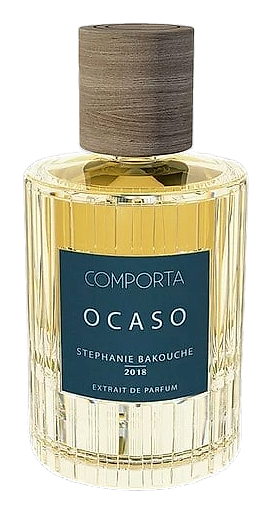
Ocaso means sunset in Portuguese, the hour when the Atlantic turns gold and the beach at Pego empties out, leaving only light and warm air and the particular quiet of a coastline at the edge of day. Comporta Perfumes named this one for that moment. In 2018, perfumer Stéphanie Bakouche translated the Portuguese coast's golden hour into a wearable composition, a fragrance that opens sharp and green and slowly, slowly warms into something floral and honeyed and close to the skin. The top notes arrive brisk: bergamot from Calabria, petitgrain from Paraguay, cassis from Bourgogne, pink pepper CO2. Then the heart takes over. Jasmine. Tuberose. Tiare. Ylang-ylang. The white florals build warm and slow, like light fading over water.
What makes Ocaso distinctive is the way the white florals don't arrive all at once. The top notes open sharp and green, cassis, petitgrain, bergamot, with a tart-floral intensity that can read almost bracing at first spray. Then, gradually, jasmine and tuberose move forward. Not aggressively. Slowly, like light changing angle. The tiare and ylang-ylang add a tropical creaminess that warms the composition without tipping it into sweetness. Coriander in the heart keeps the florals from becoming heavy, adding a subtle herbal lift that stops the whole thing from feeling overwrought. The result is a white floral that earns its warmth, one that doesn't ambush you with perfume, but unfolds.
The evolution
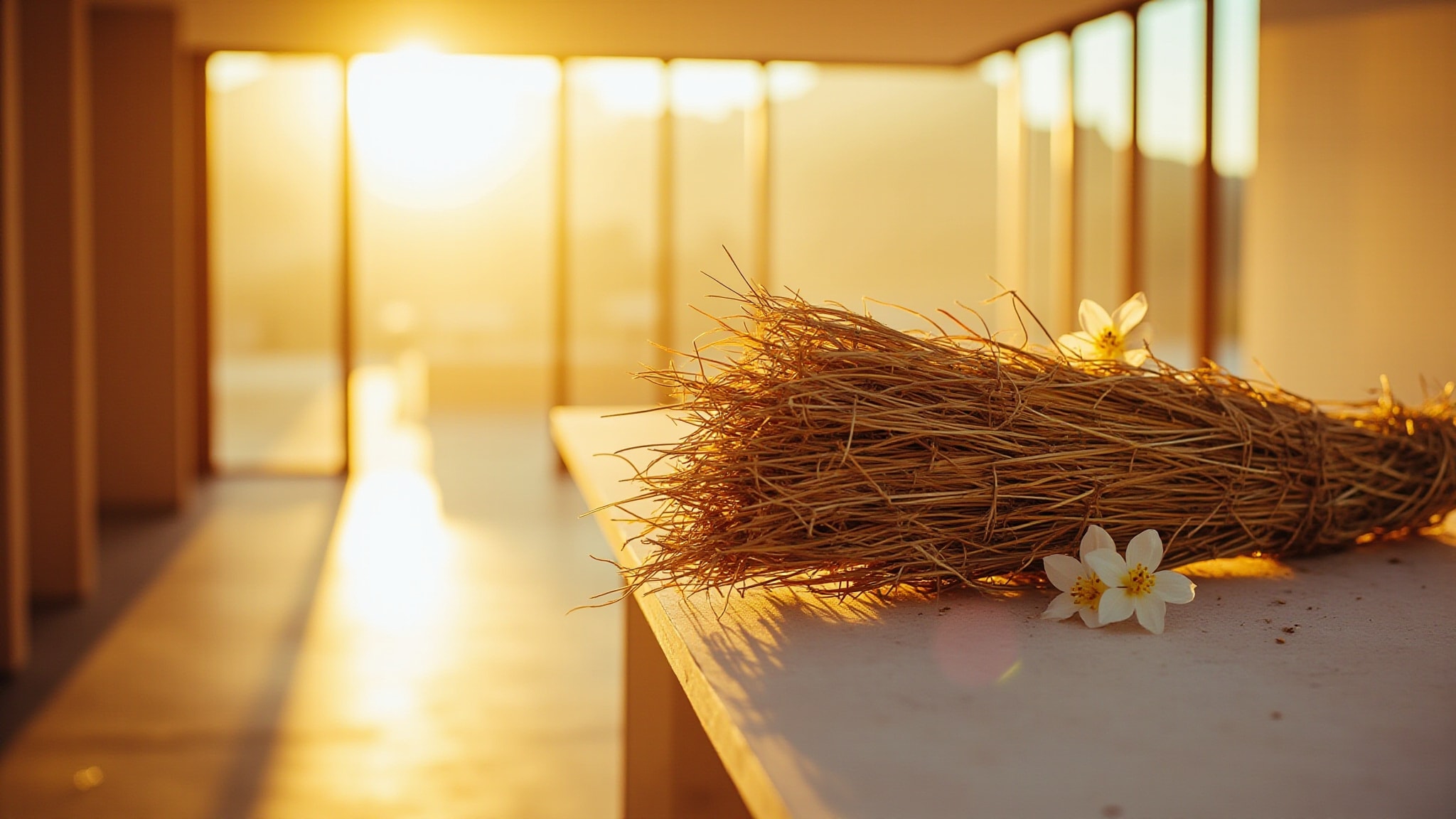
The opening is green and bright, bergamot, petitgrain, cassis. The blackcurrant brings a tart-floral intensity that hits sharp, then softens as the petitgrain's citrus-oil quality fades over the first thirty minutes. Pink pepper stays present throughout, a quiet warmth underneath that prevents the whole thing from feeling too delicate. Jasmine and tuberose arrive in the heart, unhurried. The tiare and ylang-ylang layer in, creamy, tropical, slightly waxy. The heart smells like a garden at dusk, lush without being heavy. Coriander keeps it grounded. As the florals begin to settle, the hay absolute emerges, warm, slightly grassy, the smell of something sun-dried. Honey and benzoin follow, creating a sweet-resinous base that extends the white florals' warmth into a long, intimate drydown.
Cultural impact
Ocaso is a fragrance with genuine character, something with a specific sense of place and a specific hour it belongs to. The white floral and spice combination gives it enough complexity to be interesting. The sillage stays intimate rather than performative. This is Portuguese coastal, unhurried. The kind of fragrance that someone seeks out because they've smelled something similar and wanted to know what it was. It's the sort of scent that invites conversation, that makes people lean in closer to ask what it is.