The Story
Why it exists.
The beginning
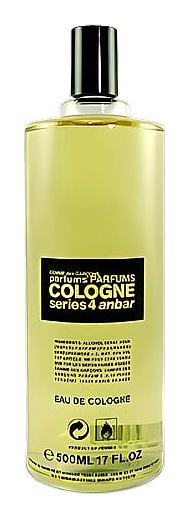
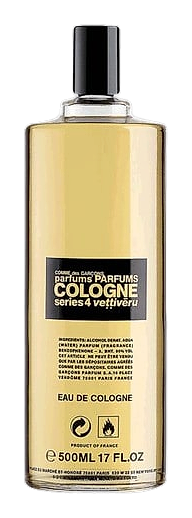
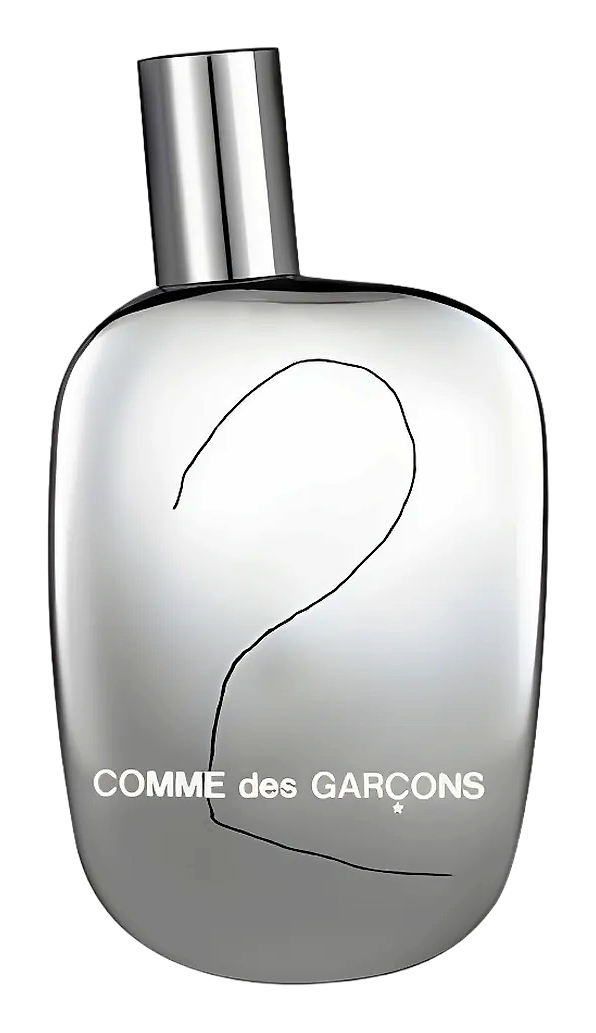
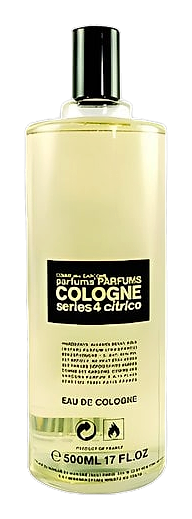
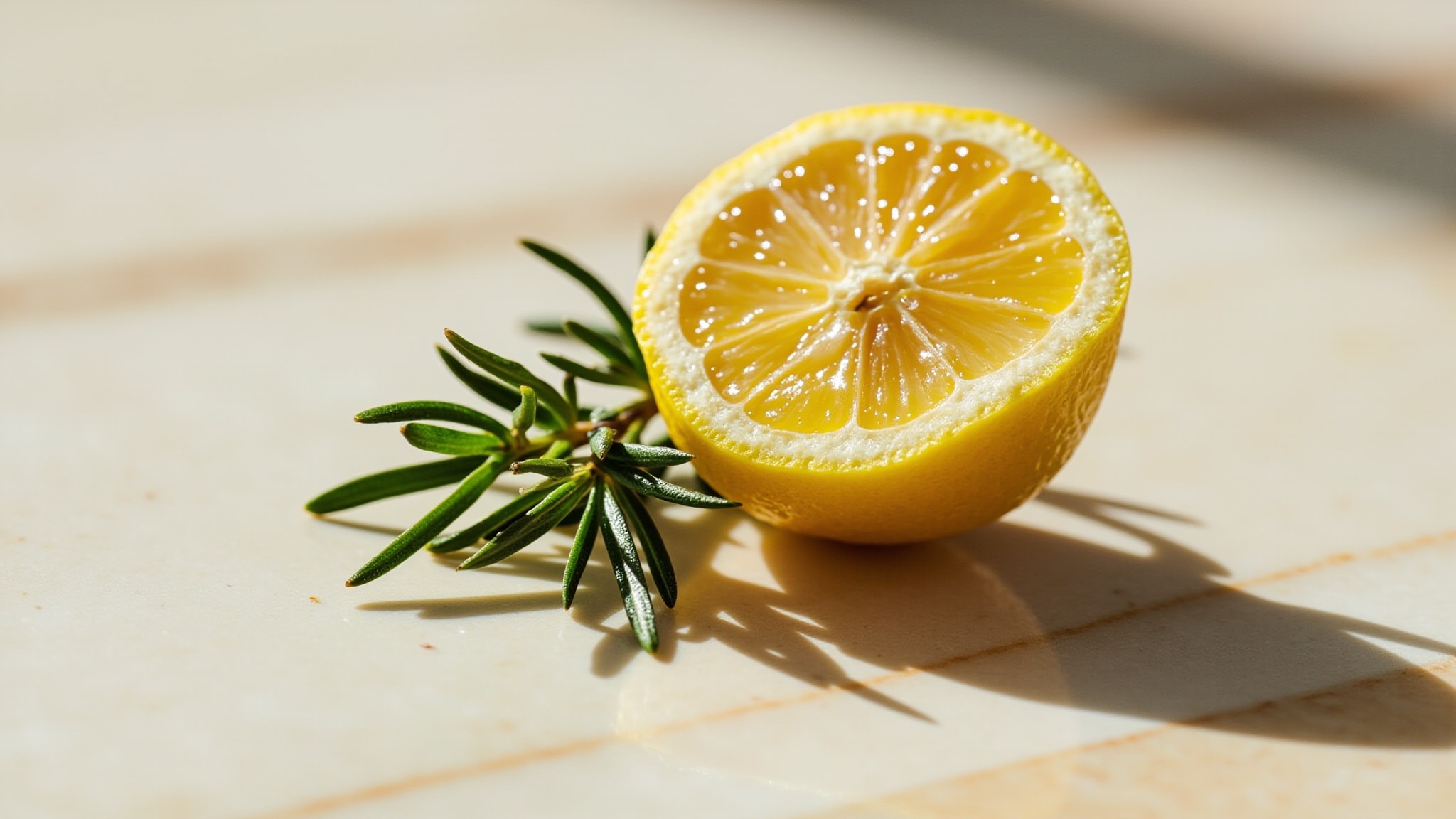
The Series 4 Cologne collection arrived in 2002 as Comme des Garçons' argument against perfumery's growing excess. Where others were layering, building, projecting louder, this line stripped back. Citrico takes its name from the Italian and Spanish word for citrus, and it means it. Bergamot, lemon, bitter orange. Rosemary. The official composition lists five ingredients; Mark Buxton understood that restraint is its own statement.
What separates Citrico from the hundred other citrus fragrances is the rosemary. It arrives early, not as a supporting player but as a counterweight. The herb's camphoraceous edge keeps the citrus from cloying, the orange blossom from getting too heady. It's a cologne that behaves like a cologne: bright, clean, brief. The 18th-century reference isn't decorative. Those original colognes were medicines, tonics, things meant to clear the head. Citrico inherits that clarity.
The evolution
The opening is all citrus, bergamot sharp, lemon bright, bitter orange adding a slight pith. Rosemary arrives within seconds, lending an aromatic green edge that feels almost Mediterranean. Then the florals arrive: orange blossom and neroli weaving in, softening the sharpness. By the second hour, the citrus begins to recede, leaving a subtle skin-warm base of cedar and sandalwood with a whisper of musk. By hour three, it's nearly gone, which is exactly the point.
Cultural impact
Citrico sits comfortably in the lineage of sophisticated citrus colognes that followed the 1990s trend of heavy, projection-first fragrances. Where its contemporaries in the Series 4 collection leaned into incense or concrete, Citrico argued for lightness as a legitimate artistic choice.