
The Story
Why it exists.
The beginning
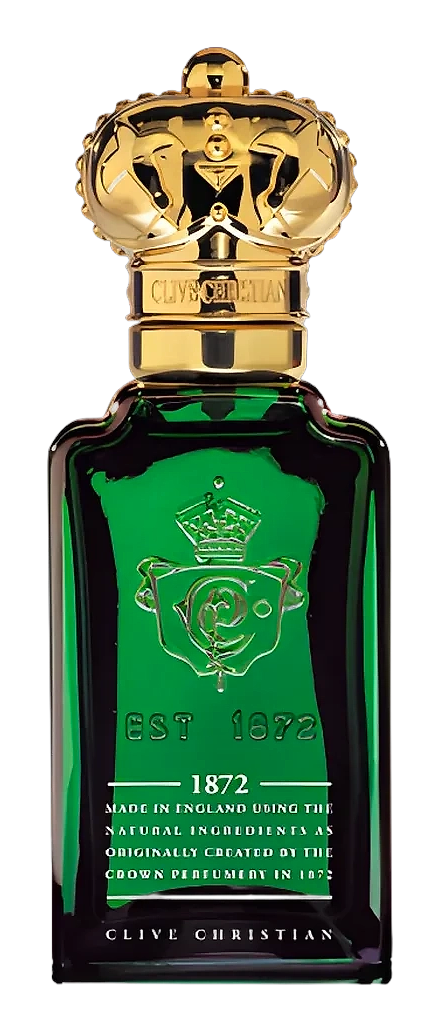
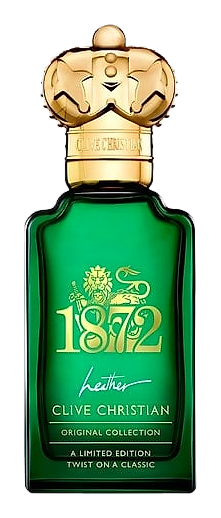
1872 Leather is a limited expression from a house that has always dealt in named years and inherited prestige. That lineage runs through every Clive Christian release. This one takes that heritage and asks what leather should smell like when it belongs to someone who doesn't need to prove anything. The answer is a fragrance with quiet authority, aromatic structure, floral heart, leather soul. It doesn't announce itself with aggression or volume. Instead, it arrives with the kind of confidence that doesn't need to shout to be heard. The aromatic opening provides crispness and clarity, the floral heart adds unexpected elegance, and the leather base anchors everything with a soulful presence that lingers without overwhelming.
What makes 1872 Leather unusual is its insistence on jasmine in the heart of a masculine leather. Jasmine typically lives in florals, in feminine compositions. Here it acts as a bridge, softening the citrus top, preparing the skin for the leather and cedar below. Clary sage reinforces that bridge with an herbal clarity that keeps the floral note from reading sweet. The combination is deliberate. It's the house saying leather doesn't have to be brutal. It can be considered. It can have a middle name.
The evolution
The opening arrives crisp and green. Bergamot, petitgrain, and rosemary twist together, an aromatic burst that reads like a garden in early morning cool. Lime adds brightness but it's the geranium that provides the herbal counterpoint, keeping the citrus from feeling sweet. Ten minutes in, the first shift begins. Jasmine rises. Not dramatically, it's not that kind of floral. It surfaces slowly, cool and slightly indolic, meeting the clary sage as the citrus begins to recede. The leather is present from the start but patient. It doesn't dominate the opening. It waits. By the thirty-minute mark, cedar joins the base and the composition begins to deepen. The leather asserts itself with a warmth that borders on smoky. Patchouli adds earth. Incense adds shadow. This is where the fragrance earns its name. The jasmine hasn't disappeared, it lingers like a thread running through the drydown, keeping the leather honest, preventing it from becoming heavy or one-dimensional. The drydown lasts for hours.
Cultural impact
Since its debut, 1872 Leather has attracted a specific kind of wearer, someone who appreciates leather but finds most masculine leather fragrances too blunt. Its aromatic structure and floral heart give it a sophistication that sets it apart from conventional leather scents. The jasmine note brings a cool, indolic quality that some find unexpected in a leather-focused composition, creating a distinctive character that invites conversation. It's a fragrance that rewards patience, revealing different facets as it develops on the skin, and its thoughtful construction speaks to those who value complexity over simplicity.