
The Story
Why it exists.
The beginning
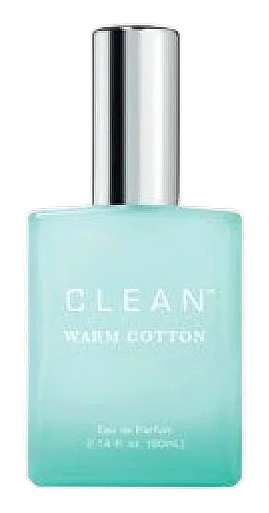
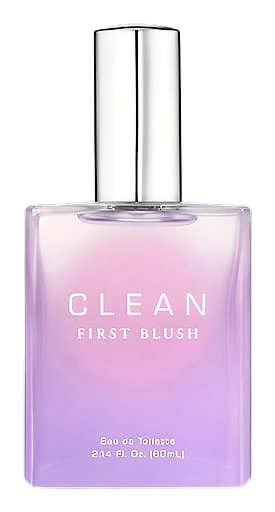
Clean arrived in 2003 with a single idea: fragrance should feel like skin, not performance. First Blush, launching in 2013 under perfumer Harry Frémont, extends that philosophy into the territory of first moments, the hour before the day announces itself. Where most fragrances compete for a room, this one asks to be worn close. It doesn't want to be noticed. It wants to be remembered when someone leans in.
What makes First Blush interesting isn't any single note, it's the way white tea threads through the structure. Bergamot opens bright and expected. But white tea pulls the energy inward, away from projection and toward intimacy. Mint cools the transition. Jasmine and neroli add a quiet floral weight that keeps the composition from feeling like a skincare product. The result is a fragrance that smells like someone who just showered and hasn't yet decided what kind of day they're having.
The evolution
The bergamot arrives immediately, sharp, citrus-bright, gone within twenty minutes. White tea takes over from there, softening everything. Mint appears and disappears like a draft from an open window. The heart (jasmine, neroli, basil) is barely a heart at all, more of a gentle transition. By hour two, the musk and cashmere wood emerge, skin-warm and powder-soft. No sillage to speak of. On fabric, it disappears faster. On skin, it lingers close enough to catch when you raise your wrist. The drydown isn't a destination, it's a suggestion. Three to four hours, and it's done. But in those hours, it does exactly what it set out to do.
Cultural impact
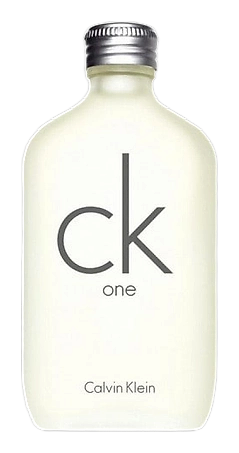
First Blush sits in a crowded lane, fresh-citrus-and-white-floral is one of perfumery's most traversed territories. What separates it is the degree of lightness. Most flankers and flankers in this category project; First Blush actively refuses to. For wearers who find most modern fragrances too much, this reads as relief. For wearers who want a fragrance to announce itself, it registers as absence. The 2013 launch date places it squarely in the era of CK One's influence, and the comparison isn't accidental. Both share that same democratic quietness, that same belief that freshness doesn't need to shout.