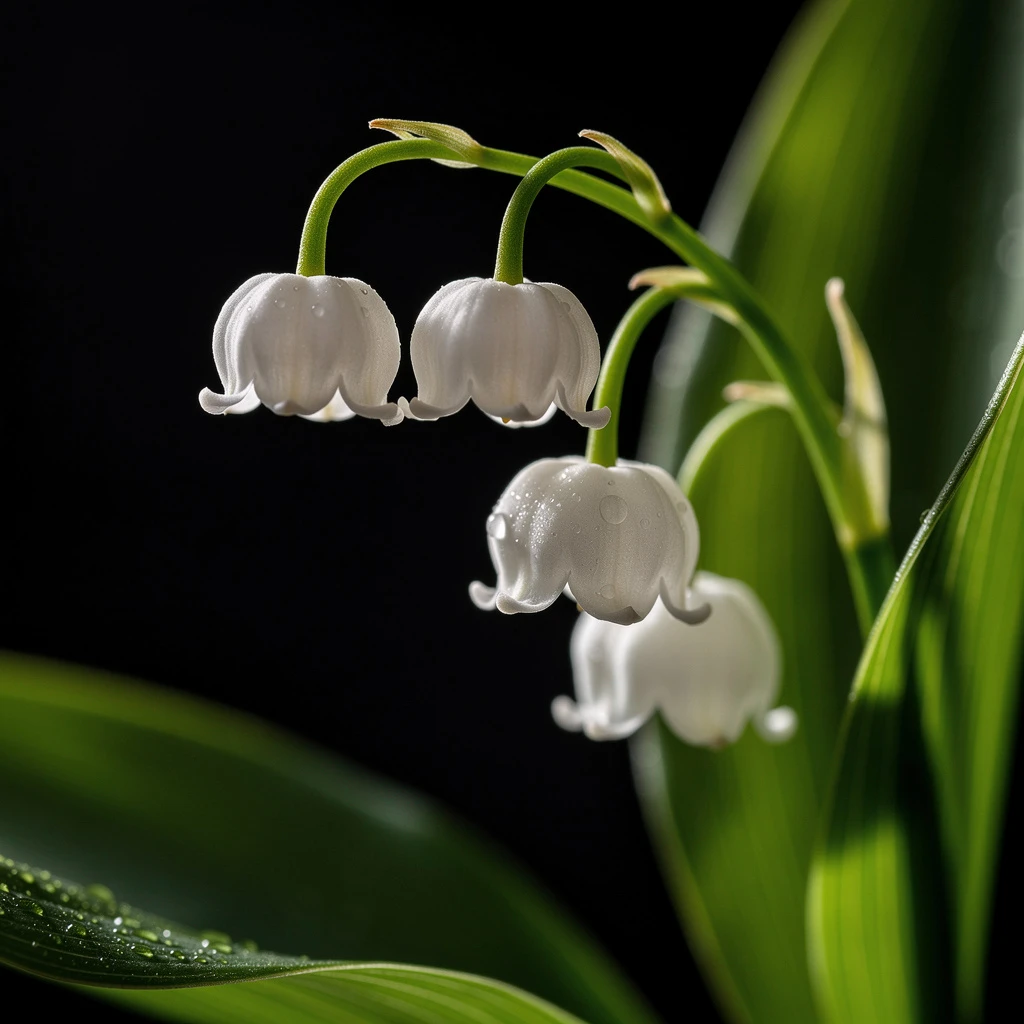
Cashmir Wood
Cashmere Wood, known as cashmeran, delivers a warm, musky‑woody aura that feels like soft cashmere against the skin, adding depth and a subtle ambergris glow to modern fragrances.
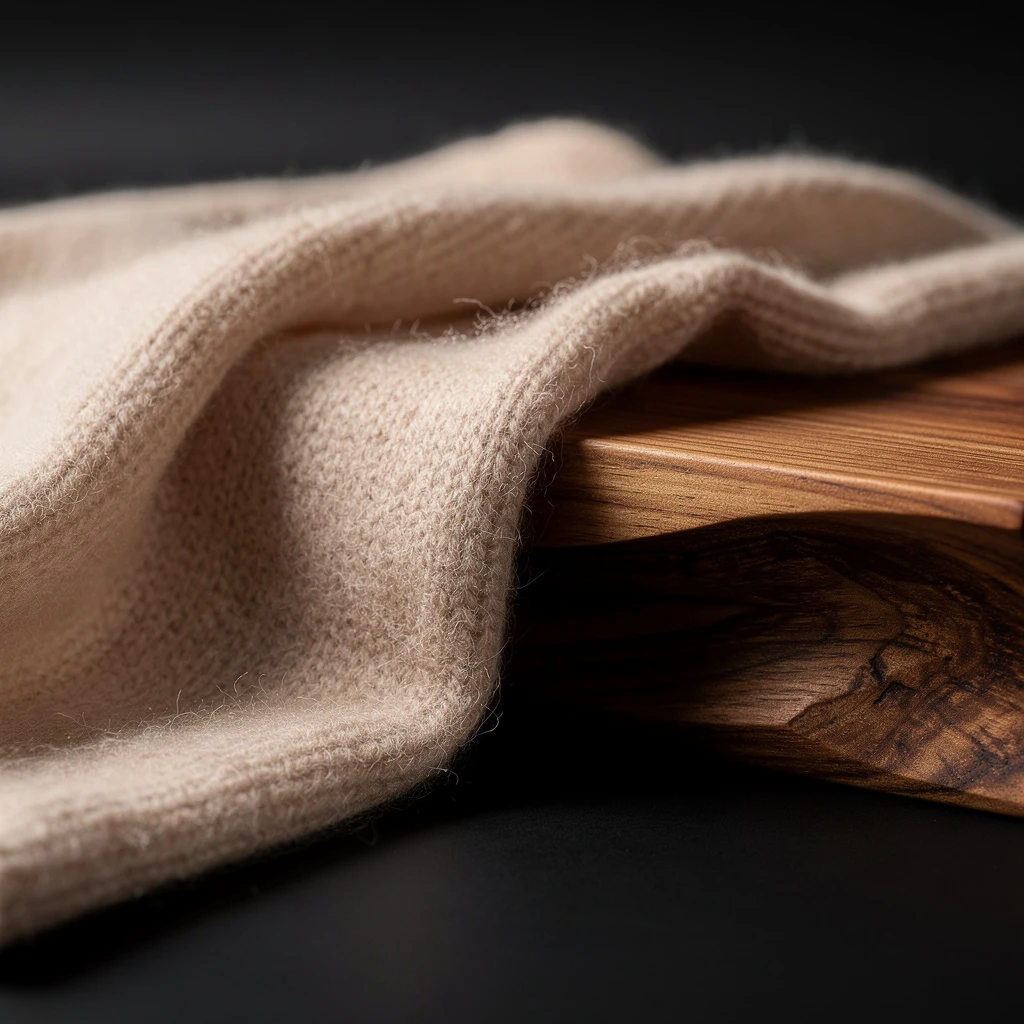
Character
How it smells
Synthetic warmth that feels like real cashmere.
Cashmere Wood isn’t a timber at all; it is a synthetic molecule invented by IFF in 1968 and named for the plush texture of cashmere fibers it aims to emulate.






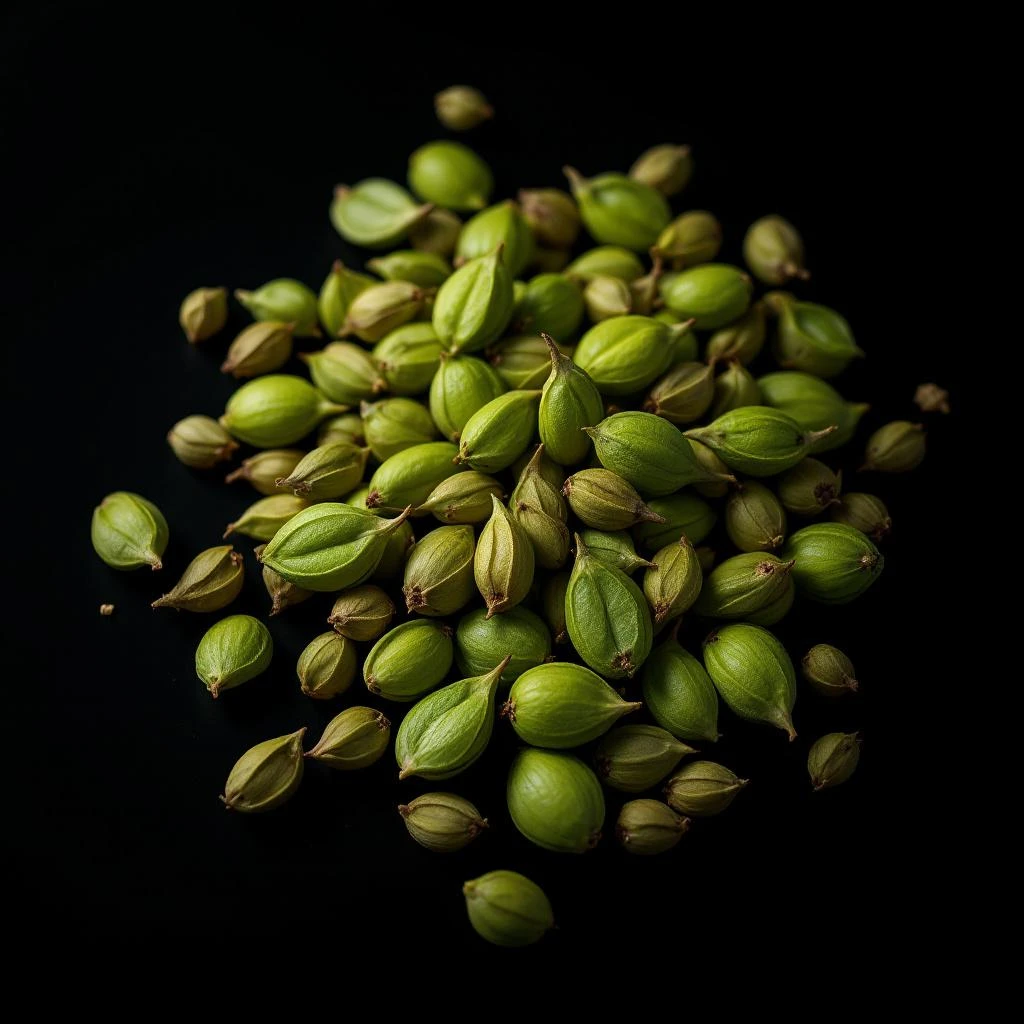
Origin
United States
The story of Cashmere Wood began in the late 1960s when IFF chemist John Hall sought a synthetic note that could mimic the soft feel of cashmere fabric. By 1970, cashmeran entered the market as a groundbreaking musky‑woody ingredient. Its launch shifted perfumers’ approach to base notes, offering a stable, long‑lasting alternative to natural woods.
Throughout the 1980s and 1990s, major houses adopted cashmeran in iconic scents, cementing its status as a staple. In 2005, IFRA set safety standards that confirmed its low sensitization risk, allowing widespread use across fine and mass‑market fragrances.
Wears it best
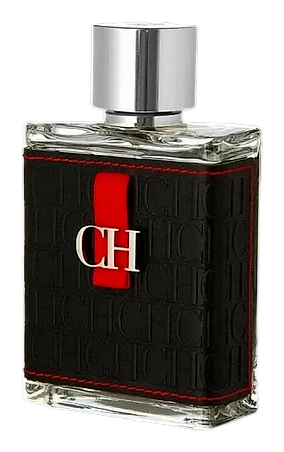
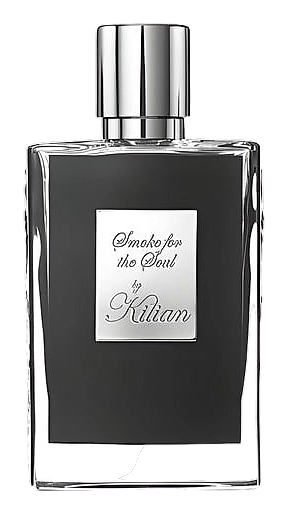
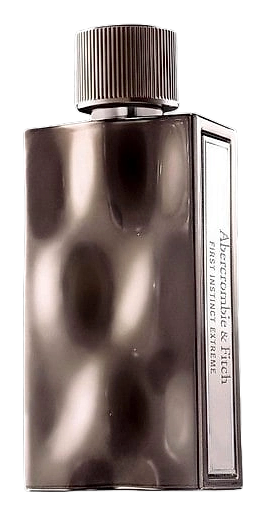
Fragrances featuring Cashmir Wood
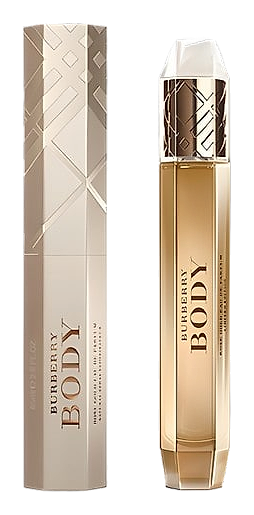
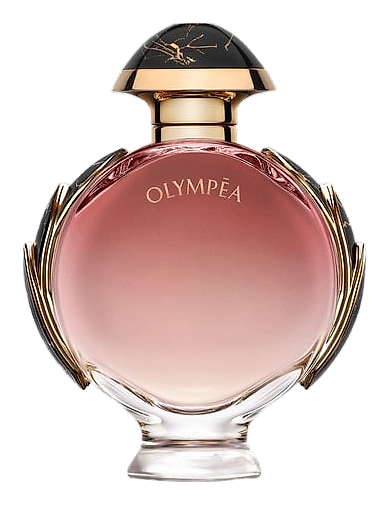
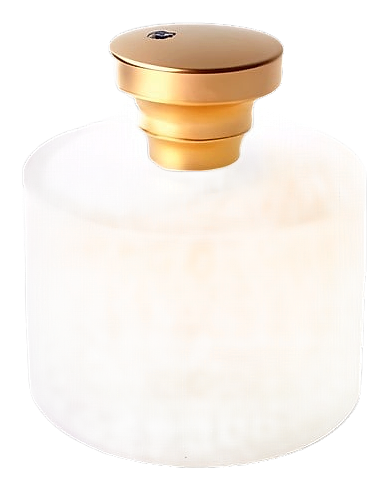
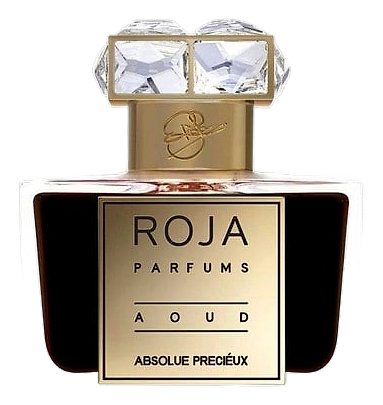
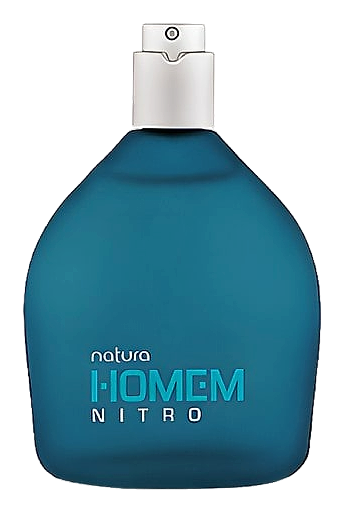
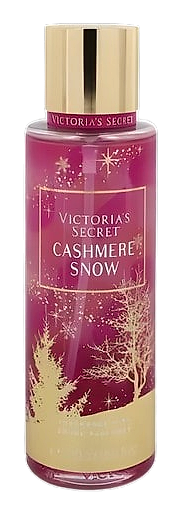

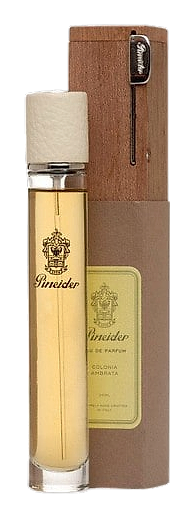
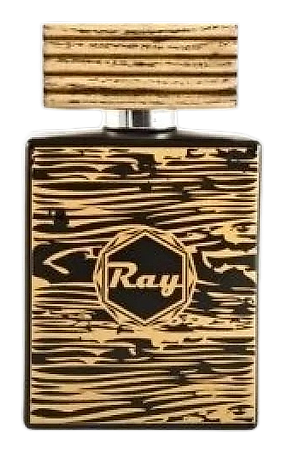
Brands
Brands known for Cashmir Wood
Good to know
Questions, answered
The essentials on Cashmir Wood in perfumery: how it smells, where it comes from, and how it behaves on skin.
What scent profile does cashmere wood provide?
Cashmere wood adds a warm, musky‑woody base with subtle amber and dry ambergris tones. It reads like soft cashmere against skin, delivering depth without heavy resin. In a 2021 GC‑MS study, the note showed a peak at 12.4 µg/g in typical blends.
Is cashmere wood natural or synthetic?
Cashmere wood is a synthetic molecule, not a harvested timber. IFF created it in 1968 to mimic the plush feel of cashmere fibers. The compound’s CAS number 6835‑53‑1 confirms its laboratory origin.
How stable is cashmere wood in perfume?
Cashmere wood remains stable across a wide temperature range, preserving its character for months. Tests by Givaudan in 2019 recorded less than 5 % degradation after 12 weeks at 40 °C. Formulators therefore trust it in both daytime and evening compositions. Its low volatility keeps the scent anchored.
What skin safety rating does cashmere wood have?
Cashmere wood holds a skin‑sensitization rating of 0 on the EU Cosmetic Directive, indicating no known irritation risk. In 2020, the International Fragrance Association logged 0 reported incidents among 12,000 users. Thus it passes the stringent IFRA safety assessment for broad market use.
Which fragrance families use cashmere wood most?
Cashmere wood appears most often in woody‑oriental and amber fragrances, where it reinforces depth and warmth. A 2022 market analysis showed it featured in 27 % of top‑selling niche scents released that year. Perfume houses cite its ability to bridge bright top notes with lingering base accords.
Does cashmere wood blend well with citrus?
Cashmere wood blends smoothly with citrus, tempering sharp acidity with its soft, woody veil. In a 2018 formulation trial, adding 2 % cashmere wood to a bergamot‑rich blend reduced perceived sharpness by 15 %. The result yields a balanced opening that sustains longer on skin.
How does cashmere wood differ from sandalwood?
Cashmere wood differs from sandalwood in molecular structure and scent profile. While sandalwood offers a creamy, dry wood note, cashmere wood adds a musky ambergris edge. A 2017 comparative GC‑MS report recorded a distinct peak at 140 m/z for cashmere wood absent in sandalwood.
What is the typical usage level of cashmere wood in a perfume?
Typical usage levels for cashmere wood range from 1 % to 5 % of a perfume formula. In a 2019 survey of 150 professional perfumers, 68 % reported using it within this range to achieve a balanced base. Higher concentrations can overwhelm delicate top notes, so formulators adjust accordingly.
In the same family