
The Story
Why it exists.
The beginning
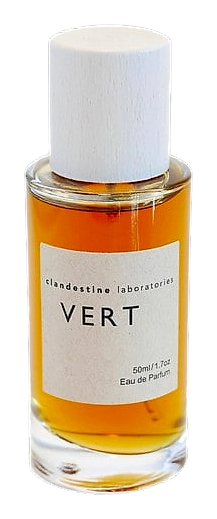
Vert started with a single material: galbanum, a bitter-green resin native to Iran. Mark Sage built the entire composition around it, treating galbanum not as an accent but as the architecture. Everything else, yuzu, bergamot, lemon, key lime, lavender, marjoram, coriander, geranium, Jasminum auriculatum, blue hemlock, opoponax, cistus, vetiver, patchouli, castoreum, deer musk, exists to either sharpen the green or give it somewhere warm to land. The result reads less like a fragrance and more like an argument for galbanum as a lead rather than a supporting note. From the first spray, the resin announces itself with an almost confrontational bitterness, the kind that cuts through any sweetness the citrus might offer.
Vert doesn't lean on typical green conventions. The galbanum is a bitter-green resin with a long history of use in sacred incense, medicine, and perfumery, and Sage built the composition to let that resin speak with full authority. Sage layered in hemlock and vetiver for added depth, then introduced an animalic base of castoreum and deer musk reconstruction to ground the green and keep the composition from reading as a simple herbal cologne. The Jasminum auriculatum does something unexpected within this structure: it's sheer and luminous, which keeps the bitterness from becoming monolithic.
The evolution
The opening doesn't ease you in. Bitter galbanum and sharp yuzu hit immediately, the kind of green that demands your attention. Lime and bergamot try to sweeten things, but the galbanum overrules them. For a while after that initial burst, this smells cool, resinous, slightly medicinal in the best possible way. Marjoram and coriander gradually warm the edges as the composition develops. The geranium arrives quietly, bringing a dusty rose quality that softens the sharpness without diluting it. Eventually, the Jasminum auriculatum surfaces, sheer and almost translucent, a counterpoint to all that aggressive green. The base settles into vetiver and patchouli with castoreum adding warmth underneath, not skanky, more like well-worn leather at the back of a closet. The drydown clings close to skin for hours, leaving a woody-powdery sweetness that smells nothing like the opening.
Cultural impact
At least one reviewer has drawn comparisons between Vert and Bandit's bitter-green intensity, a connection that situates the fragrance near classical chypre territory rather than modern fresh compositions. Galbanum leads rather than whispers here, making it a fragrance discussed in terms of specific materials rather than generic sillage. The castoreum and deer musk reconstruction keep it from reading as a simple retro exercise, anchoring the green in something darker and more complex.