The Story
Why it exists.
The beginning
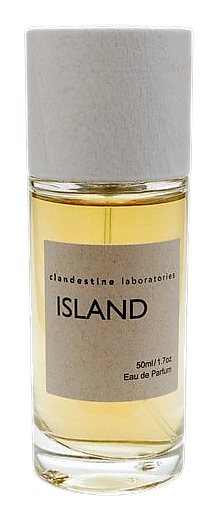
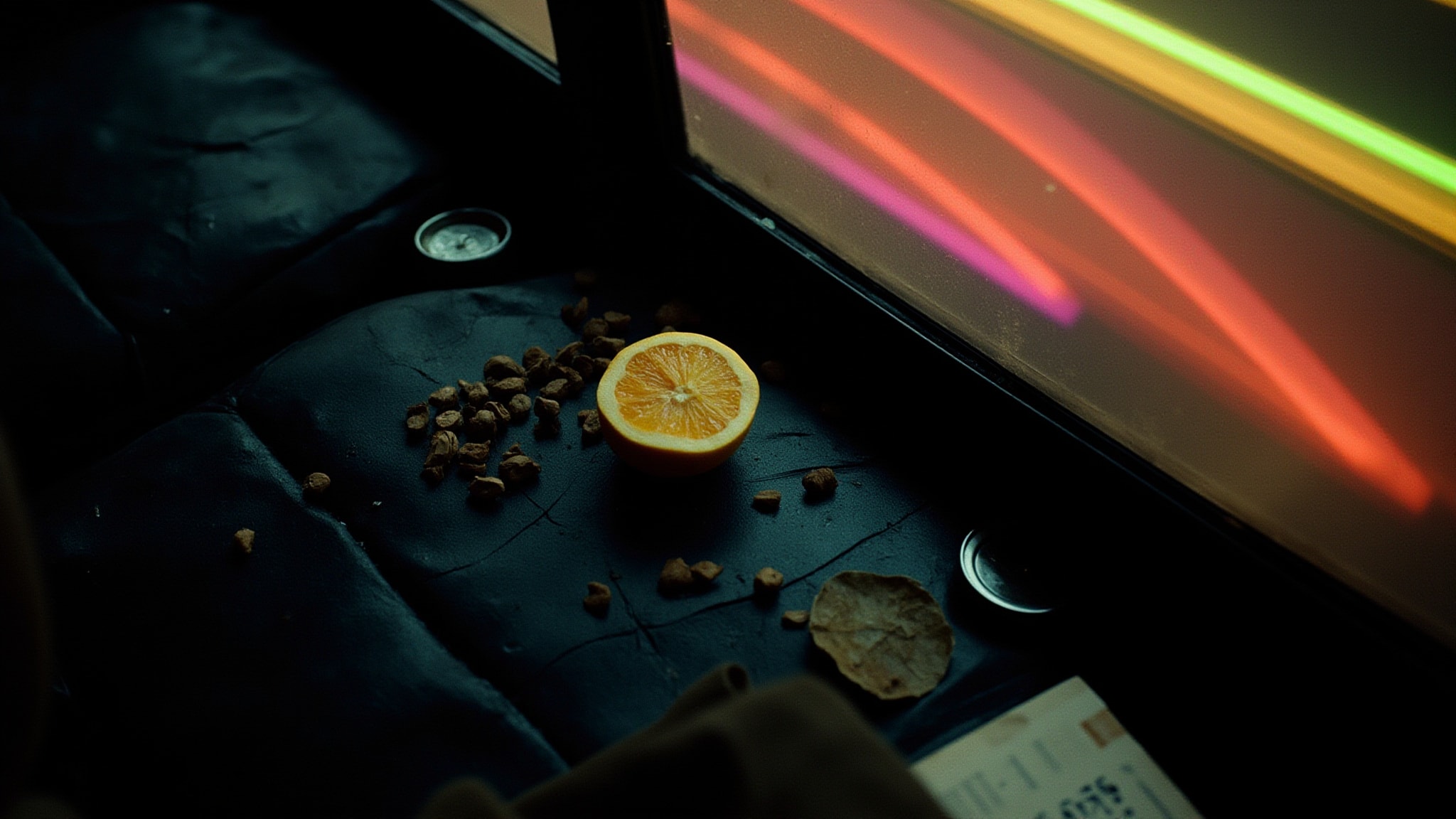
Mark Sage composed Island in 2026, though the bones go back further. The formula was completed fairly early in his journey to becoming a perfumer, and was recently reconsidered for release. What emerged is a portrait of New York City at night, specifically, the solitary cab ride home when bridges and streetlights drift past the window and the rest of the city becomes abstract. Not tropical, despite the name. Manhattan. The city itself is the island the fragrance references, an archipelago of steel and glass suspended in harbor water, and Sage translates that image into scent with cool spices, sharp citrus, and resins that glow faintly under streetlamp sodium. There is no sand in this composition, no coconut, no sunscreen.
The brief was a cool-spicy incense composition, but the island Sage had in mind was concrete and steel, not sand and salt. Pepper, juniper, and tobacco open the fragrance with a cold, smoky snap, like the first breath after a match goes dead. Hiba wood and tolu balsam anchor the incense so it stays lit rather than going up in heavy smoke, and the yuzu keeps the whole thing from tipping into pure darkness. The pepper's bright bite meets juniper's bitter green edge, and together they recall extinguished matches and the faintly bitter smell of old tobacco ash left in a glass.
The evolution
It opens sharp and cool. Juniper leads with that cigarette-stub energy, green pepper buzzing alongside, and yuzu slicing through bright before the florals soften the edges. The incense shows up shortly after, resinous and steady, and the tobacco gets quieter, less leaf and more ash. Oakmoss and blue lotus settle into the base, giving it depth without weight, like the backseat of a car at 1 AM. As it dries down, the composition drifts into clean wood territory. Hiba does most of the lifting here, dry and almost metallic, with tolu balsam adding a low sweetness underneath. The white musk wraps everything into skin. What surprised reviewers is how much of this sticks around. The yuzu goes early, but the incense, hiba, and ambergris hold well past 8 hours, and the next morning it reads as a faint warm haze on whatever you slept in.
Cultural impact
Island sits at an interesting intersection: it's a reconsideration of an early-career composition that Sage has since revisited, with the perfumer himself noting it feels more impressive in hindsight. The fragrance doesn't aim for commercial appeal, and one source specifically notes that it 'fails spectacularly' at being commercial, which seems to be part of the appeal for its audience. Reviewers who've tried it describe the effect as quietly self-assured, the kind of scent that earns attention by not asking for it. The composition rewards those willing to sit with its cool, incense-driven character rather than expecting a crowd-pleaser.
The House
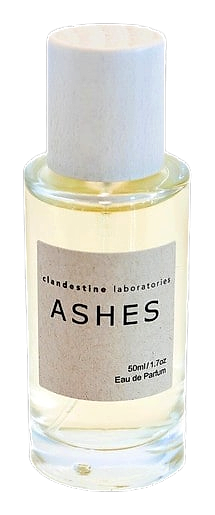
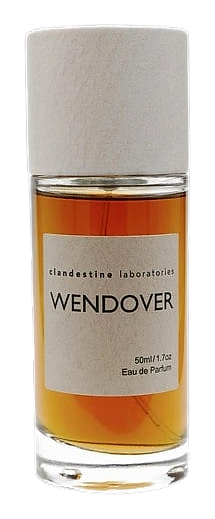
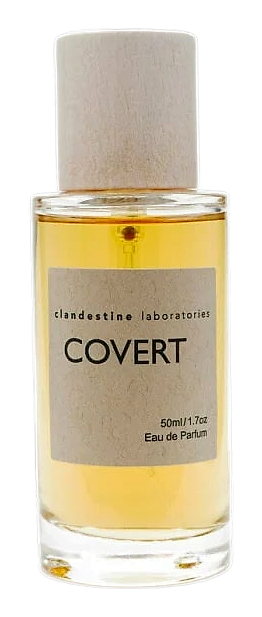
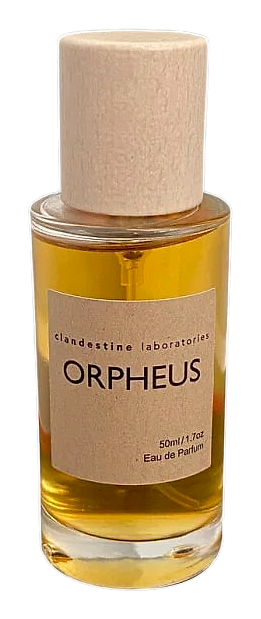
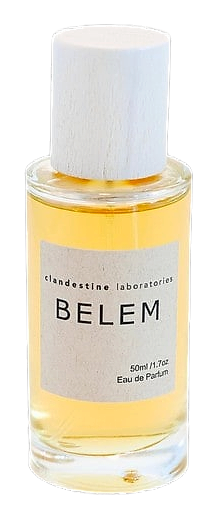
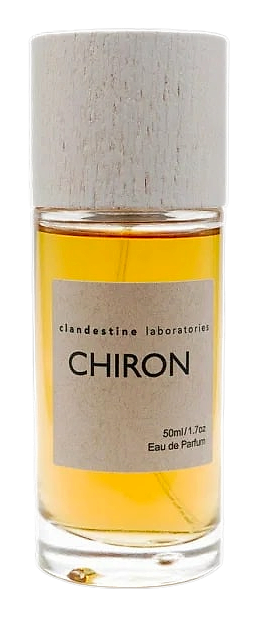
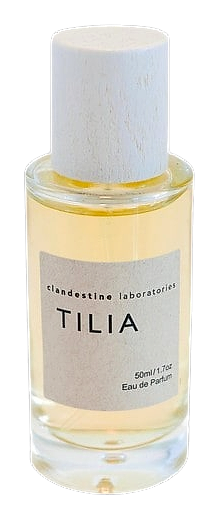
Clandestine LaboratoriesClandestine Laboratories is a New York City-based artisanal fragrance house founded by self-taught perfumer Mark Sage in January 2010. The brand operates as an underground, auteur-oriented perfume house, with all fragrances hand-blended in small batches by Sage himself. The catalog spans roughly a dozen scents, including Assam (2012), The Boy (2022), and Covert (2024). Operating without traditional retail distribution, the brand relies on word-of-mouth referrals and direct customer relationships. Sage approaches perfumery as an experimental art form, creating fragrances that often incorporate unexpected material combinations and challenge genre conventions. The house cultivates a devoted following among fragrance enthusiasts who appreciate its unconventional approach and handmade production model.
The Creator
Mark SageFrom what limited public information exists, Sage works with unexpected material combinations. Reviewers have noted a soapy quality in his fragrances—not the straightforward "right after the shower" variety but something more complex, less expected.