
The Story
Why it exists.
The beginning
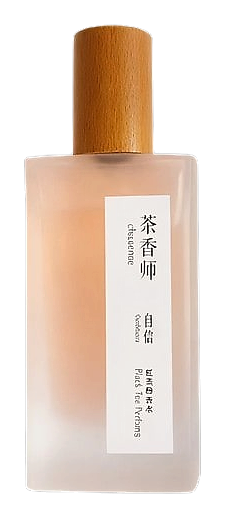
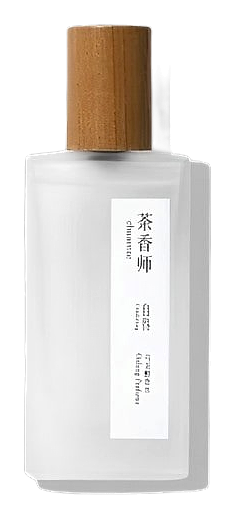
Comforting Oolong arrived in 2019 from Chasense, the Chinese house that has built its entire catalog around a single obsession: tea. Richard Yu is credited as perfumer, part of an early lineup dedicated to translating that obsession into wearable form. Rather than treating tea as one note among many, the composition centers it, letting peach and citrus orbit the cup rather than distract from it. The result is a fragrance that doesn't simply nod at tea culture but insists on it, with the fruit acting as a bright supporting cast around the brewed star. There's something deliberate about that choice, a refusal to dress up the subject matter in anything that would dilute its clarity.
What makes this composition worth a second look is the restraint. Peach and oolong could easily tip into cloying fruit punch territory, and the citrus and floral notes in the heart could muddy the tea further. Instead, the structure keeps the fruit bright but brief, lets the tea's natural warmth do the talking, and pulls the base toward musky ambergris rather than sweetness. The balance feels intentional at every turn, with each note aware of its place in the hierarchy.
The evolution
The first ten minutes are all peach, candied and generous, the kind of fruit that announces itself the moment skin warms. Citrus sharpens the edges, keeps the sweetness from going slack. Around the thirty-minute mark the oolong finally surfaces, and it arrives with a roasted, slightly tannic quality that shifts the whole composition's weight downward. The peach doesn't disappear. It recedes, becomes background warmth, something you catch when you move your wrist. By hour two the florals have done their work and faded, leaving a quiet musky drydown with ambergris's salty skin-like quality and soft woods underneath. It stays close from there, a personal scent bubble rather than a projection play. On fabric the next morning, it's mostly musk and the ghost of tea, a pleasant enough afterthought.
Cultural impact
Comforting Oolong reflects a particular sensibility in contemporary perfumery, one that values quiet, skin-close compositions over loud statement scents. Its wearers tend to be people drawn to compositions that feel personal and considered, the type who would rather smell like a brewed cup than a bottled fantasy. The fruit at the opening is generous enough to hook a curious nose, while the tea at the heart feels like a real statement of intent rather than a decorative flourish. The drydown brings it back to something intimate and grounded, musk and ambergris that read as skin rather than as a constructed base.