
The Story
Why it exists.
The beginning
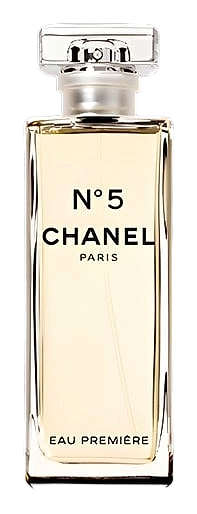
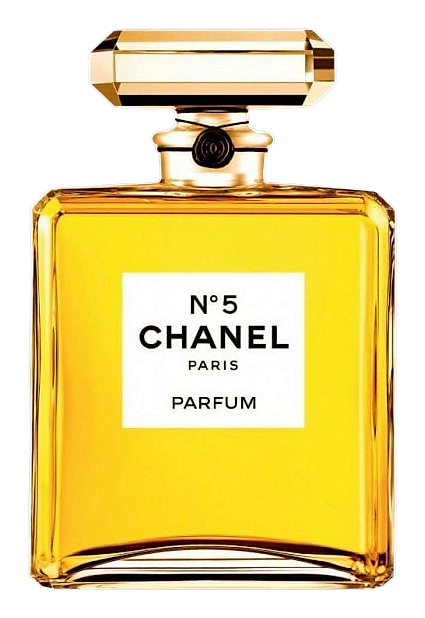
In 1921, Gabrielle Chanel commissioned perfumer Ernest Beaux to create something that broke with every floral tradition preceding it. Beaux delivered a composition that smelled like nothing else on the market: aldehydes turned up so loud they became the lead voice, not a supporting whisper. Before N°5, aldehydes existed mostly as subtle brighteners in florals, used to lift rose or jasmine into something more lifelike. Beaux flipped the dosage. The result was a perfume where the synthetic aldehyde complex registered as the dominant voice, present and almost confrontational, rather than functioning as a polite opening accent. The composition married that chemical brightness to Grasse jasmine, May rose, neroli, ylang-ylang, iris, and a warm base of sandalwood, vanilla, vetiver, and amber.
What made Beaux's aldehyde approach radical was the dose. Aldehydes had appeared in perfumery before, most notably in Houbigant's Quelques Fleurs, but always as background brightness, a way to make florals feel more lifelike. Beaux inverted the logic. In N°5, the aldehyde complex is so concentrated it registers as its own note, present and almost confrontational, layered over Grasse jasmine, May rose, and iris rather than buried beneath them. That kind of structural inversion was uncommon at the time.
The evolution
The first thirty minutes are almost confrontational: aldehydes blast upward, catching cold air and throwing it back at you, while neroli and lemon flicker underneath. Sharp. Almost metallic. Nothing about this opening suggests powder or softness. Then the bouquet arrives, and the shift is substantial. Grasse jasmine and May rose don't blossom so much as assemble, structured by iris into something closer to architecture than a garden. The powder emerges here, and stays. By the third hour, the florals have settled into amber and sandalwood, vanilla warming from below, vetiver adding a quiet green anchor underneath. The aldehydes never fully leave, which surprises people expecting a clean floral to go soft. They persist as a faint, waxy brightness long after the top notes have evaporated, threading through the sandalwood and the warm amber base.
Cultural impact
N°5 carries a cultural weight that has nothing to do with current trend cycles. Marilyn Monroe said she wore it to bed, and the line has stuck for decades. It sits in the permanent collection of the Museum of Modern Art in New York, a rare distinction for any fragrance. The aldehyde-soaked composition remains polarizing, which keeps it interesting. You either belong to it or you don't, and that divide is part of the legend. It has been worn by women who treat scent as a signature rather than a season, a fragrance that travels between decades without losing its center.