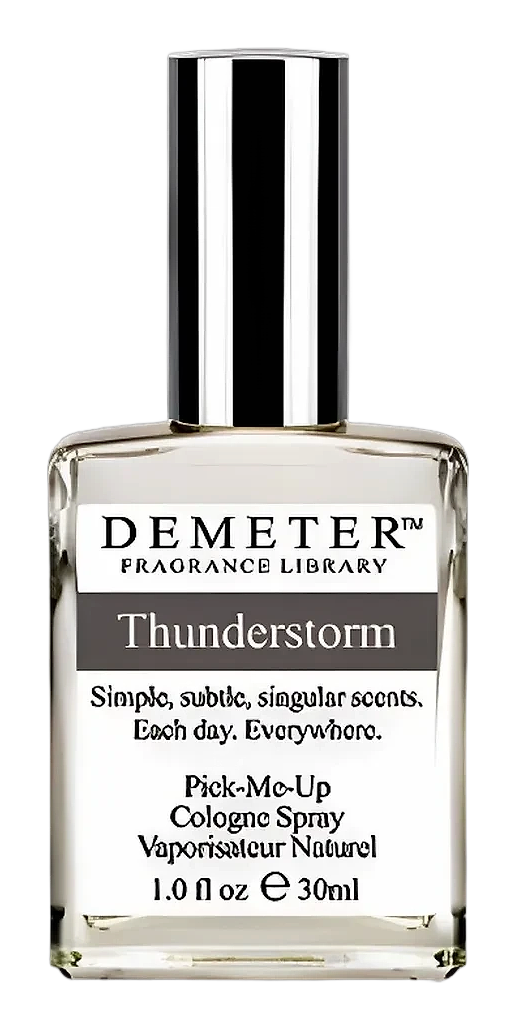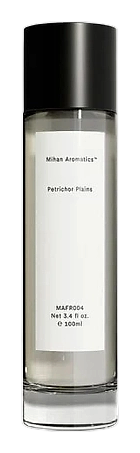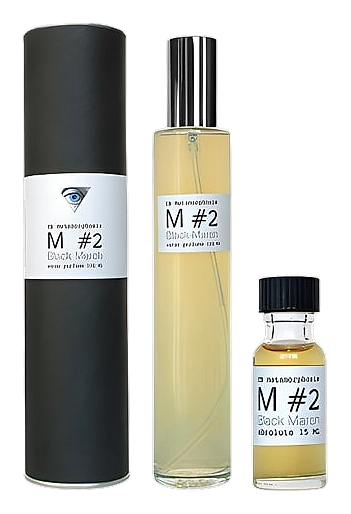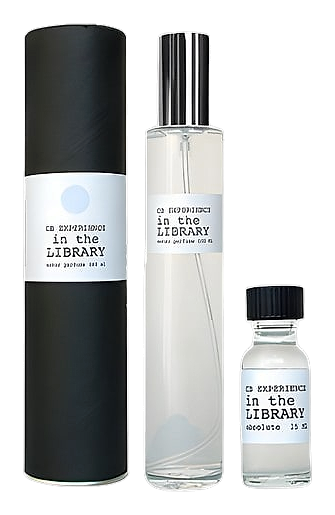
The Story
Why it exists.
The beginning
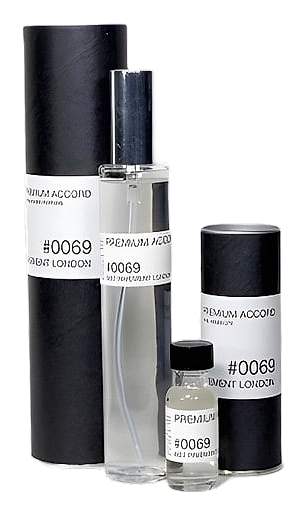
Christopher Brosius built CB I Hate Perfume on a single idea: that a fragrance can bottle a specific, ordinary moment rather than a vague mood. Wet Pavement London came out of that conviction in 2014, one of several releases in the brand's 'Premium Accords' collection, each designed to capture a particular scene rather than construct a traditional perfume composition. The official line cuts straight to it: the smell of pavement on a rainy day, rendered in a bottle. Brosius has spoken about treating scent as something closer to a postcard than an accessory, and Wet Pavement London is one of the clearest expressions of that approach. Rather than stacking florals or fruits into a conventional pyramid, the accord isolates a single sensory memory and rebuilds it from the inside out.
Brosius picks moments, wet concrete, library dust, burning leaves, and reverse-engineers the olfactory chemistry until the memory holds. The technique relies on synthetic aromachemicals to reconstruct a smell most people have never thought to capture, because most perfumers aren't asked to. The materials don't announce themselves as naturals or as lab creations; they simply behave like the thing they're imitating. Wet Pavement London is a textbook example. The accord reads as rain, stone, and damp earth with such conviction that the question of how it was built feels almost irrelevant.
The evolution
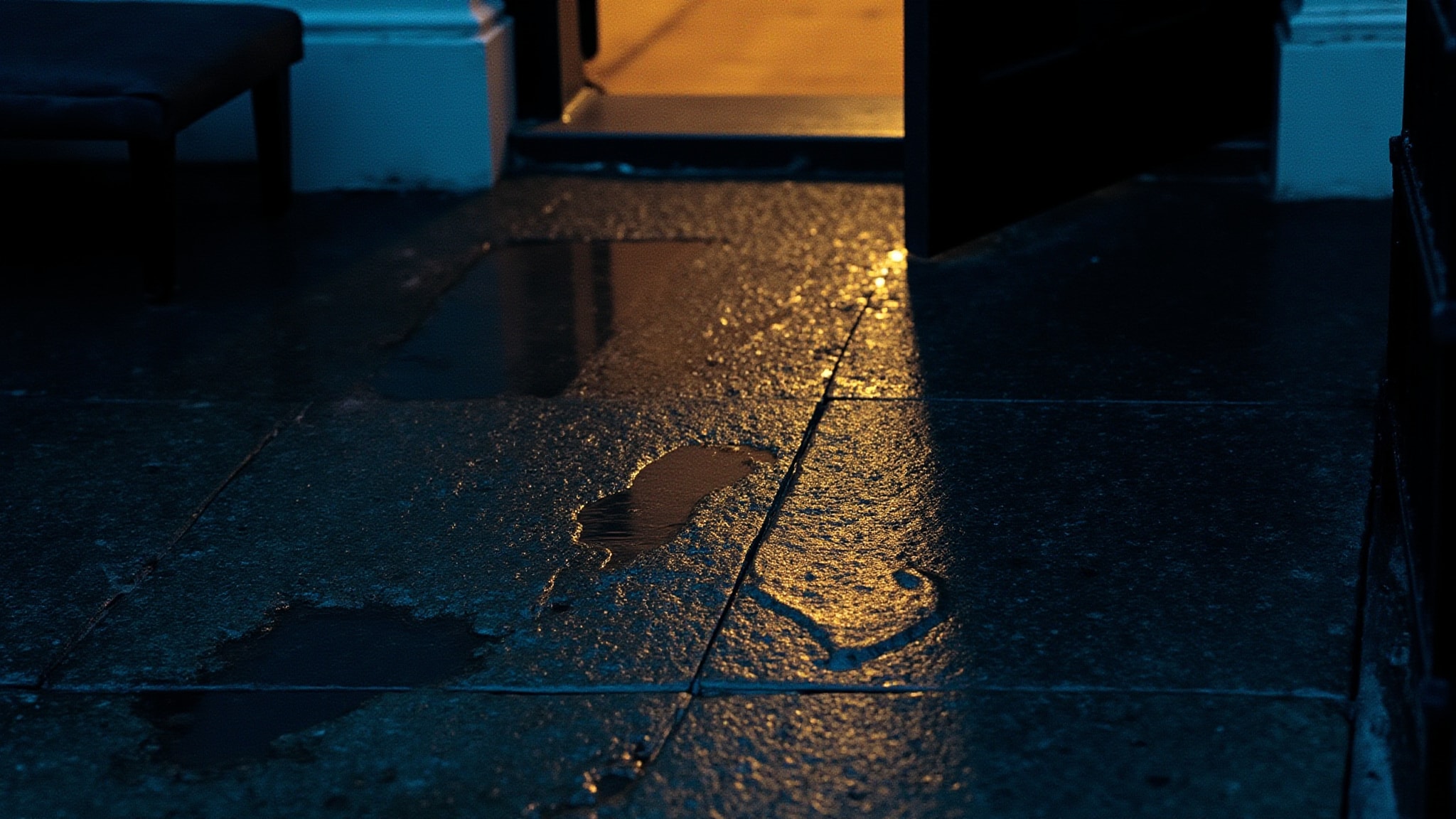
The rain accord arrives almost immediately, cool and slightly metallic, the kind of petrichor snap you get when the first heavy drops hit sun-warmed asphalt. There's no citrus sparkle, no clean laundry pretense. Just ozone and water and a mineral coldness that feels like your skin temperature dropped a degree. Within ten minutes, the asphalt note surfaces underneath, gritty, warm, slightly tarry, like the street after a summer downpour has drained away. It doesn't smell dirty. It smells specific. The middle hours are where it earns its reputation: the rain note softens into something more aqueous, while the asphalt deepens into a quiet stone-and-earth warmth that reads closer to wet granite than road tar. It's surprisingly intimate at this stage, less environmental, more like the pavement smell has soaked into your coat.
Cultural impact
Wet Pavement London sits at the center of a small but devoted subculture of fragrance wearers who treat scent as documentation rather than decoration. It's the kind of release that gets recommended with a warning: 'You have to actually want to smell like rain.' Within the indie fragrance community, the brand occupies its own category, somewhere between perfumery and field recording. The bottle doesn't announce itself on a counter, and the scent doesn't announce itself in a room, which is exactly the point.