The Story
Why it exists.
The beginning
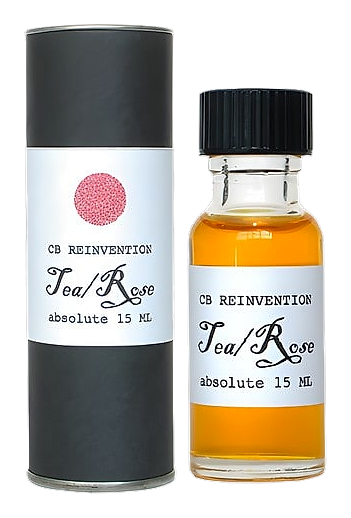
The Perfumer's Workshop opened at Bloomingdale's in 1970 with a radical idea: let the customer write the formula. Donald and Gun Bauchner's Personal Perfumery counter turned fragrance shopping into collaboration, specify your concentration, adjust the blend, walk out with something that smelled like no one else. Tea Rose, launched in 1977, was the house's answer to the department store shelf's dishonesty. While competitors built elaborate florals with synthetic sweetness, this was rose without the apology, the whole plant, stems and all. Named for what it delivers, not a mood or a memory. That directness was the statement.
What makes this structure unusual is the refusal to use rose as sweetness delivery. The chamomile note is genuinely herbal, not the calming tea impression but the plant's actual green-medicinal character. That tension between the cool floral opening and the warm rose heart gives Tea Rose an architectural quality missing from many rose-dominant fragrances. The green and woody accords don't frame the rose, they argue with it, and the rose wins by being honest rather than beautiful. It's a composition that trusts the wearer to want the real thing.
The evolution
Peony arrives first, soft, powdery, a brief moment of innocence before the chamomile cuts in. That herbal coolness is the first statement: this won't be a sweet fragrance. The rose heart doesn't arrive so much as unfold. Bulgarian and Damask layers build slowly, with the tea rose itself appearing to deepen the chorus rather than repeat it. Around hour three, the composition pivots. Cedar and geranium leaf take over the drydown, pushing the roses back without erasing them. The final hours are greener than expected, violet leaf, wood, the smell of stems rather than petals. Cedar lingers into the next morning, faint but present.
Cultural impact
Tea Rose landed in 1977 as an honest alternative to the elaborate florals dominating the market. The chamomile note and the green-woody drydown set it apart, this wasn't rose as sweetness but rose as botanical truth. It's remained in continuous production for nearly five decades, which says something. The kind of fragrance people return to, not for nostalgia but because it still works.