
The Story
Why it exists.
The beginning
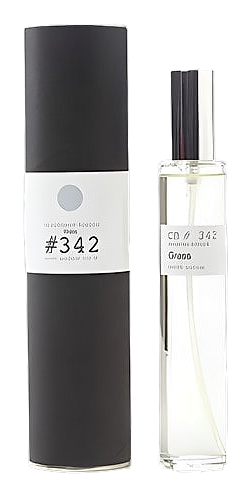
Christopher Brosius has spent decades treating scent as autobiography, each fragrance a specific moment, a memory made tangible. Grass was his attempt to bottle something most perfumers would never touch: the literal smell of a freshly mowed lawn, without the usual softening agents. Brosius wanted to capture the smell the way it actually exists, not the idealized version. The seaweed was his secret weapon, an unexpected material that would ground the green and prevent it from floating off into generic freshness.
What makes Grass distinctive is its refusal to make anything palatable. Most green fragrances reach for citrus or light florals to round the edges. Brosius went the other direction, hay adds a dusty, warm sweetness that reads almost as a texture. The seaweed doesn't arrive immediately but emerges gradually, a briny mineral quality that keeps the composition anchored to earth rather than air. It's a study in contrast: green and saline, fresh and earthy, the smell of a coastal meadow after rain.
The evolution
The opening hits sharp and vegetal, crushed blades, that immediate green snap. No preamble. Within minutes, the hay arrives in the heart, softening the intensity and adding warmth. The seaweed takes its time. It surfaces slowly in the drydown, not as an afterthought but as a deliberate counterweight to the sweetness. The whole composition settles into something quiet and close, intimate for hours after application. Moderate sillage means it stays with you, not the room.
Cultural impact
Grass occupies its own corner of niche perfumery, too literal for mainstream buyers, too unconventional for those expecting complexity. The fragrance appeals to a specific kind of wearer: someone who wants scent to smell like the world rather than like perfume. It's found its people among those drawn to Brosius's broader project of olfactory memory-making, though the divisive seaweed note ensures it never quite becomes a crowd-pleaser.