The Story
Why it exists.
The beginning
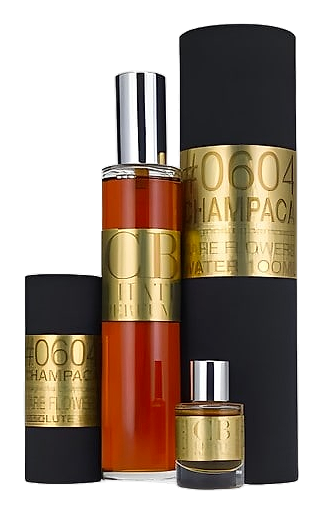
Champaca arrived in 2013 carrying the catalog reference Rare Flowers - #0604, a designation that signals Christopher Brosius's interest in treating individual blooms with the focus a portrait painter might bring to a single face. The fragrance strips everything down to a soliflore construction, presenting the flower as the entire composition rather than one ingredient among many. What emerges is an act of looking closely: the bloom given room to expand, contract, and reveal facets that more crowded compositions tend to obscure. The approach feels less like perfumery in the conventional sense and more like pressing a single botanical specimen between pages and studying every cell of it.
What sets this interpretation apart is the willingness to let the flower carry the full weight of the composition. By presenting champaca on its own terms, without the usual architectural scaffolding of fruits, vanillas, or musks, the fragrance exposes something close to the raw material itself. On first encounter the sweetness can read almost edible, a banana-like ripeness edged with the lush, sun-soaked quality of ripe peach.
The evolution
The opening arrives almost shockingly alive, carrying the bright, almost confectionery sweetness of fresh champaca absolute. This is closer to overripe banana and sun-warmed mango than to any typical floral register, and it doesn't behave like the powdered sweetness of commercial florals either. It's nectar, sticky and specific, announcing itself with the kind of presence that demands attention rather than whispers for it. That fruit-like brightness gradually begins to cool as the composition settles, revealing the pollen-and-honey character that gives the bloom its depth. The fragrance moves into what feels like its most compelling phase: a warm, golden floral that carries the visual memory of sunlight caught in petals. There's something faintly green here, the stem-and-leaf reality that exists behind every bloom, grounding the sweetness in something vegetal and alive.
Cultural impact
Champaca belongs to a tradition of work that elevates single botanical materials to the status of complete compositions. Rather than blending a flower into a larger architectural framework, the fragrance treats the bloom itself as the finished work, refusing to dilute or accessorize what already carries its own internal logic. The soliflore approach demands a different kind of attention from the wearer. There's no progression of competing notes to track, no top-heart-base choreography to parse. Instead, the flower unfolds gradually, revealing depth through repetition and patience.