The Story
Why it exists.
The beginning
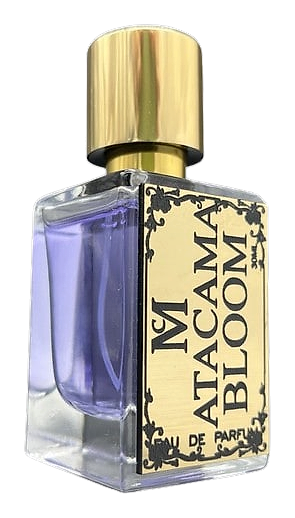
The Atacama desert is the oldest, driest place on Earth, three million years of data written in salt and silence, when it was still a seabed. Casaniche didn't choose the name casually. Atacama Bloom is a contradiction made scent: life where none should exist, softness born from mineral severity. Maximiliano Cifuentes built this fragrance around that tension. Not a flower pressing or a desert landscape. An argument against the obvious.
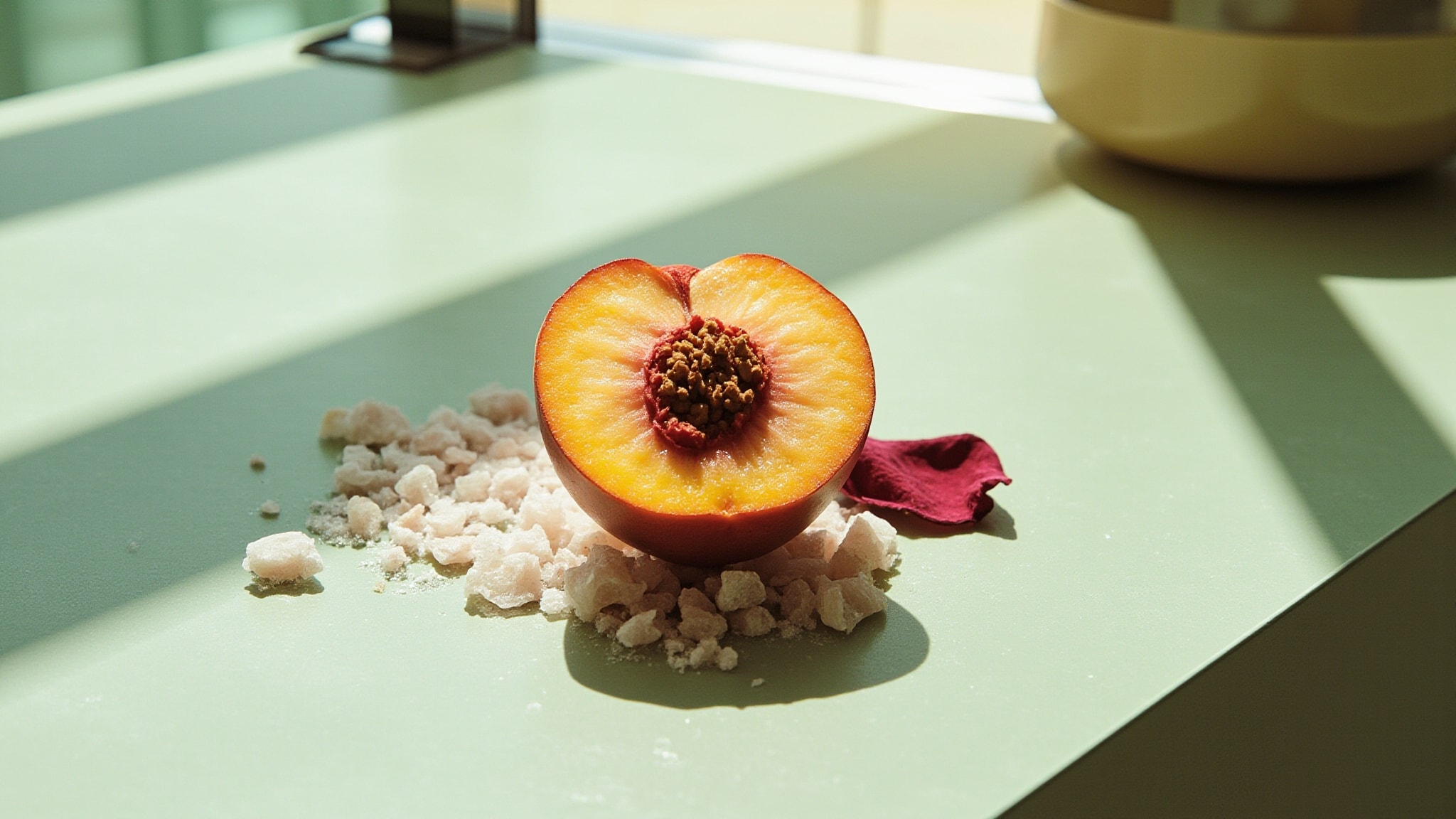
Bergamot, mint, orange, the opening reads like a reset. Clean, bright, immediate. Then the heart shifts. Peach and rose aren't just decorative here; they're the point. They represent what shouldn't happen in an environment this harsh. The violet adds powder, a kind of memory of softness. Underneath, ambergris is the strange gift. Animalic but not aggressive, it anchors the sweetness to something older, stranger, the sea that was here before anything bloomed. Vanilla and musk finish the composition, holding the contradiction in place: warm and mineral, floral and dry, impossible and real.
The evolution
It opens sharp. Bergamot and mint hit fast, a cold brightness that reads almost medicinal for the first ten minutes. The mint cools the citrus, keeps it from tipping into sweetness too early. Then the hand-off: peach arrives around minute fifteen, soft and almost ripe, followed by rose. The violet adds a powdery lift that keeps the florals from getting heavy. On skin, this is where it lives longest, the fruity-floral heart holds for three to four hours. The base is patient. Ambergris doesn't surge; it deepens quietly, adding salt and animal warmth beneath the vanilla. Musk keeps everything close to the skin. By hour five, you're left with a faint warmth, vanilla, clean musk, a memory of bloom.
Cultural impact
Atacama Bloom represents a milestone in Chilean niche perfumery, marking Casaniche's first olfactory exploration of the country's most iconic and extreme landscape. The Atacama Desert, known as the driest non-polar desert on Earth, occupies a unique place in Chilean cultural identity, representing both desolation and unexpected beauty. Casaniche's decision to translate this landscape into scent challenges conventional perfumery geography, which has historically favored European and Middle Eastern landscapes. The fragrance's mineral-citrus opening evokes the desert's crystalline salt flats and morning mist, while its floral heart captures the rare blooms that appear after infrequent rains.