






    Brand Profile

    Casaniche is a Chilean niche perfume house that translates the country’s varied geography into scented narratives. Founded in the early 2020…More

    Chile·Est. 2021·Site

    2

    Fragrances

    4.7

    Rating

    38
    Oriental by Casaniche
    Best Seller
    5.0

    Oriental

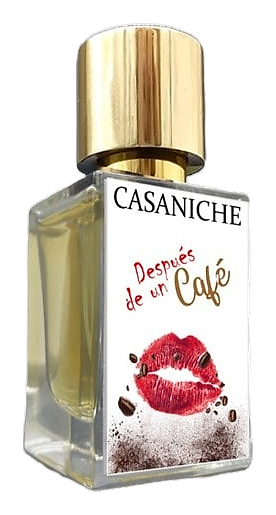
    Después de un Café by Casaniche
    Best Seller
    5.0

    Después de un Café

    Nadie te quiso tanto como yo by Casaniche
    Best Seller
    4.9

    Nadie te quiso tanto como yo

    La rosa que nunca te di by Casaniche
    4.8

    La rosa que nunca te di

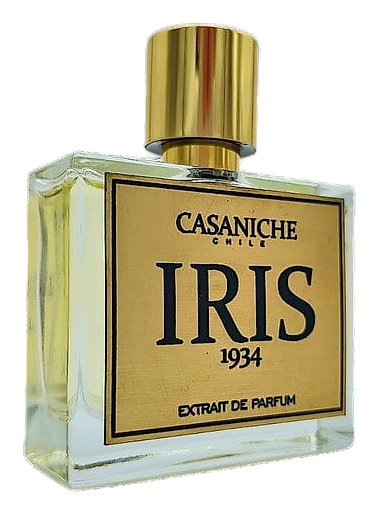
    Iris 1934 by Casaniche
    4.7

    Iris 1934

    Marejada by Casaniche
    4.7

    Marejada

    OscUroD by Casaniche
    4.7

    OscUroD

    Father Tobacco by Casaniche
    4.7

    Father Tobacco

    Choco Orange by Casaniche
    4.7

    Choco Orange

    Forest Animals by Casaniche
    4.6

    Forest Animals

    Cine Niche by Casaniche
    4.6

    Cine Niche

    Eva by Casaniche
    4.6

    Eva

    1 of 4

    The Heritage

    The Story of Casaniche

    Casaniche is a Chilean niche perfume house that translates the country’s varied geography into scented narratives. Founded in the early 2020s, the label releases limited‑edition scents that reference specific locales such as the Atacama desert, Patagonian fjords and coastal vineyards. Each fragrance arrives in a minimalist bottle that foregrounds the perfume itself, inviting collectors to explore a scent map of Chile without the clutter of mass‑market branding.

    Heritage

    Casaniche emerged in 2021, a period when South American artisans began to assert a distinct voice in the global niche market. The brand’s first launch, Marejada (2021), captured the salty breeze of Chile’s Pacific coast and quickly attracted attention from regional boutique retailers. By 2022 the house expanded its portfolio with Oriental and OscUroD, two compositions that referenced the stark contrast between the arid north and the misty south. In 2023 the label introduced Iris 1934, a nod to the historic iris fields of the Central Valley, and demonstrated a willingness to blend heritage with contemporary olfactory techniques. The following year, Casaniche released a trio of 2024 fragrances—Después de un Café, Nadie te quiso tanto como yo, and La rosa que nunca te di—each anchored in personal stories tied to Chilean travel experiences. 2025 saw the brand partner with local artisans to source sustainably harvested sandalwood from the Araucanía region, a move that reinforced its commitment to regional economies. The most recent addition, a 2026 edition announced on the brand’s website, continues the practice of limited runs, ensuring that each scent remains a collectible piece rather than a mass‑produced commodity. Throughout its evolution, Casaniche has maintained a small‑batch approach, allowing the house to retain creative control and respond quickly to emerging trends in the niche community.

    Craftsmanship

    Every Casaniche fragrance begins with a field visit. The perfumers, though not publicly named, collaborate with regional growers to select raw materials that meet strict quality criteria. For example, the citrus notes in Choco Orange (2022) come from Valencia‑style oranges cultivated in the Maule Valley, where growers practice integrated pest management. The house then transports the harvested botanicals to a modest lab in Santiago, where a small team of nose artists blends them using both traditional maceration and modern micro‑encapsulation techniques. The production process favors natural extracts, but synthetic aroma chemicals are employed when they enhance stability or longevity without compromising the scent’s character. Quality control includes a three‑stage stability test: a 30‑day room‑temperature trial, a 60‑day accelerated aging test at 40 °C, and a final sensory evaluation by a panel of regional fragrance experts. Bottles are hand‑filled in a climate‑controlled environment to preserve the perfume’s integrity. The glass vessels are sourced from a Chilean manufacturer that uses recycled silica, and the caps are machined from brushed aluminum to provide a tactile contrast. Labels are printed on recycled paper with soy‑based inks, reflecting the brand’s broader sustainability goals. This combination of field research, careful ingredient selection, and meticulous lab work defines Casaniche’s commitment to high‑quality, place‑centric perfumery.

    Design Language

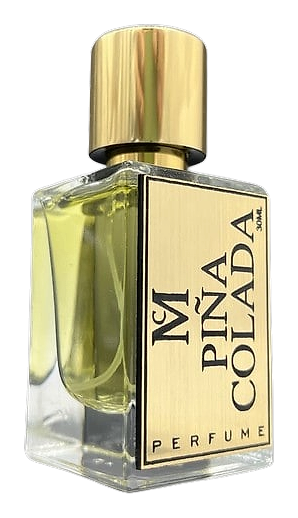
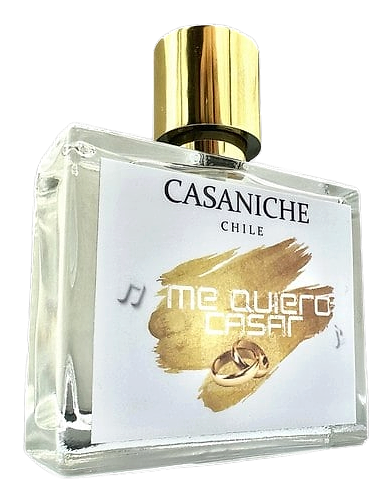
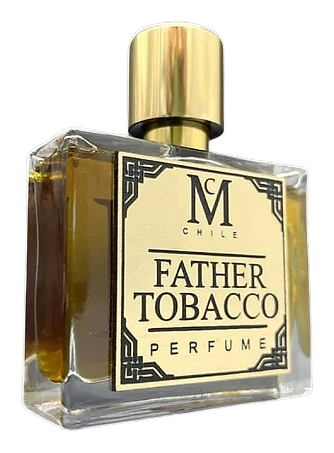
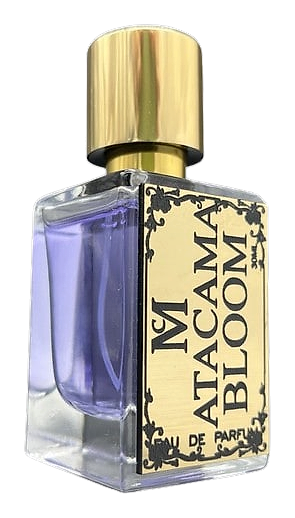
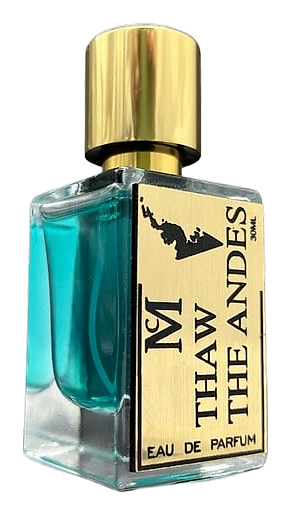
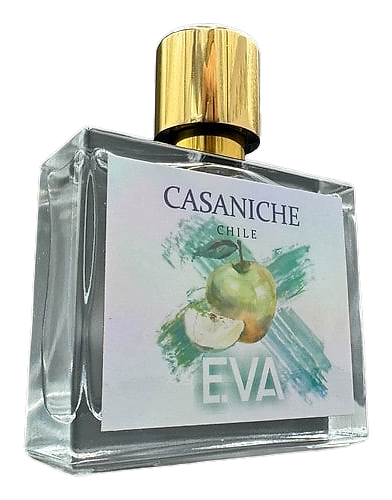
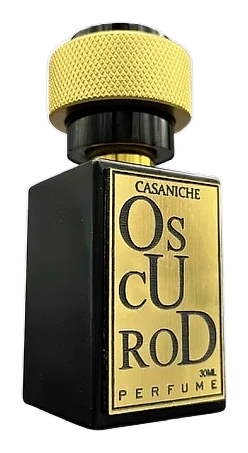
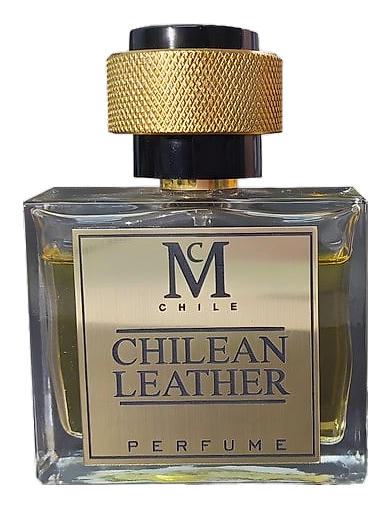
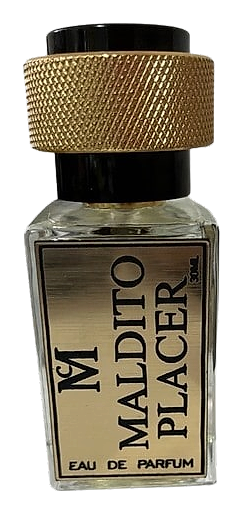
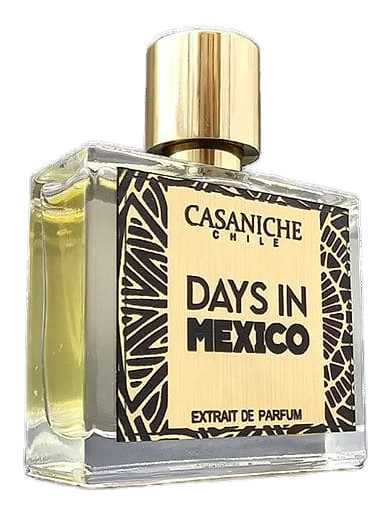
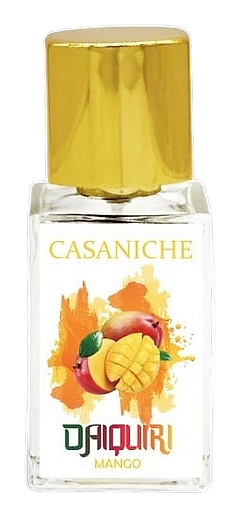
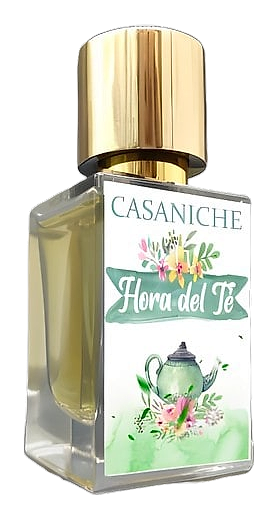
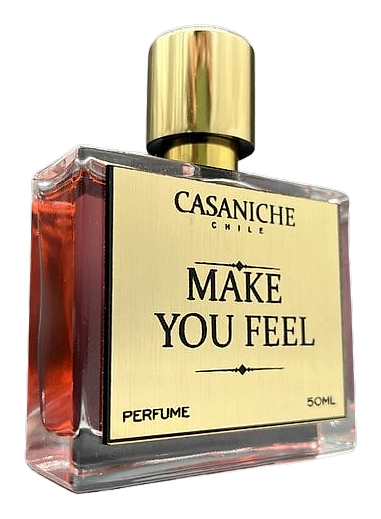
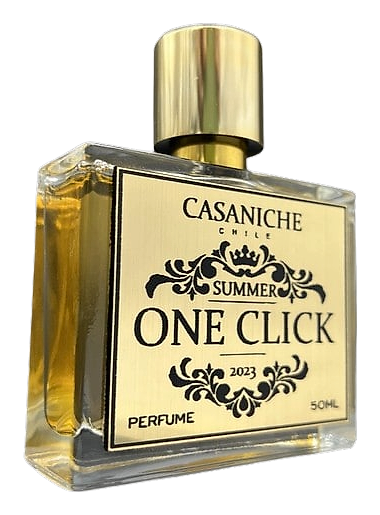
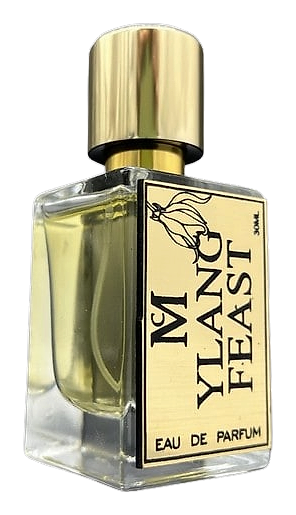
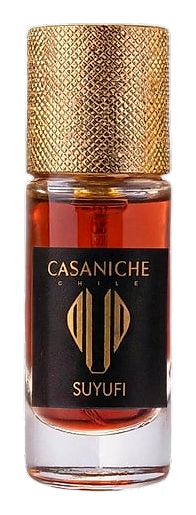
    Casaniche’s visual language mirrors the clean lines of modern Chilean architecture while echoing natural textures found in the country’s terrain. Bottles feature a slender, cylindrical silhouette that tapers slightly toward the base, evoking the silhouette of a mountain peak. The glass is clear, allowing the perfume’s hue—whether a pale amber for Forest Animals (2022) or a deep mahogany for OscUroD (2022)—to become part of the design. Caps are matte aluminum with a subtle brushed finish, a nod to the industrial heritage of Chile’s mining towns. Labels consist of a single line of serif type set against a muted background that references the color palette of the corresponding landscape (e.g., desert sand for Oriental, deep green for Iris 1934). The brand’s website adopts a minimalist layout, using ample white space and high‑resolution photography that captures the fragrance in its natural environment—a coffee cup on a Santiago balcony for Después de un Café, or a wind‑blown dune for the 2024 Oriental. This restrained aesthetic reinforces the house’s focus on the scent itself rather than on overt branding, positioning each bottle as a quiet invitation to explore a specific place.

    Philosophy

    Casaniche frames fragrance as a form of place‑based storytelling. The house believes that scent can convey the texture of a landscape better than any photograph, and it therefore draws directly from Chile’s topography, climate and cultural rituals. The brand’s statements emphasize authenticity over hype; it seeks to craft aromas that feel rooted in a specific region, whether that is the mineral dryness of the Atacama or the floral humidity of the southern lakes. Casaniche also stresses responsibility, stating that sourcing should respect local ecosystems and support the communities that nurture raw materials. This philosophy translates into a preference for small‑scale extraction methods, transparent ingredient lists, and packaging that minimizes waste. By aligning its creative vision with ecological awareness, the house hopes to inspire collectors to consider the origin story of each perfume as part of the overall experience.

    Key Milestones

    2021

    Launch of the first Casaniche fragrance, Marejada, inspired by Chile’s Pacific coastline.

    2022

    Introduction of Oriental and OscUroD, expanding the line to include scents reflecting the Atacama desert and southern forests.

    2023

    Release of Iris 1934, a tribute to historic iris cultivation in the Central Valley, marking the brand’s first historically themed perfume.

    2024

    Three new fragrances—Después de un Café, Nadie te quiso tanto como yo, and La rosa que nunca te di—debut, each linked to personal travel narratives across Chile.

    2025

    Partnership with Araucanía sandalwood cooperatives, introducing sustainably harvested wood into the scent portfolio.

    2026

    Announcement of a limited‑edition release that continues the house’s practice of small‑batch, place‑inspired perfumery.

    At a Glance

    Brand profile snapshot

    Origin

    Chile

    Founded

    2021

    Heritage

    5

    Years active

    Collection

    2

    Fragrances released

    Avg Rating

    4.7

    Community sentiment

    Release Rhythm

    2026
    1
    2025
    8
    2024
    9
    2023
    6
    2022
    9
    2021
    5
    casaniche.com

    Did You Know?

    Interesting Facts

    Distinctive details and defining moments that shape the house personality.

    01

    Casaniche sources its citrus ingredients from the Maule Valley, a region better known for wine than for orange production.

    02

    The brand’s bottle caps are machined from recycled aluminum sourced from Chilean mining by‑products.

    03

    Each fragrance undergoes a three‑stage stability test that includes an accelerated aging trial at 40 °C.

    04

    Casaniche’s label design uses soy‑based inks, making the printed material fully compostable.