
The Story
Why it exists.
The beginning
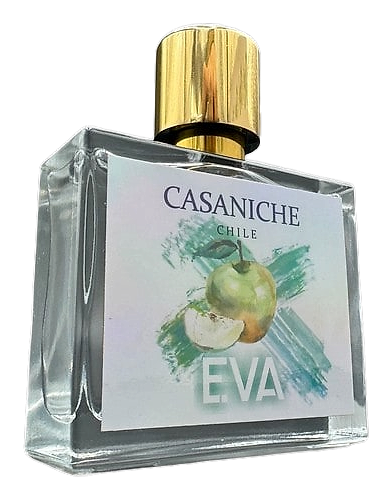
Eva arrived in 2024, built around a single provocation: what if desire smelled like three ingredients instead of twelve? Maximiliano Cifuentes stripped the pyramid to its minimum, green apple, caramel, musk, and let each note carry twice the weight. The official copy calls it a fragrance about fruitful desire, about the sweetness of lust and the frenzy of sin. Chilean sensuality, translated into scent. But the real story is the constraint. Three notes means nowhere to hide. No note can lean on its neighbors. The green apple has to be tart enough to stand alone. The caramel has to be warm without turning syrupy. The musk has to ground everything without disappearing into it. That's the bet, that fewer materials, chosen precisely, say more than a dozen that crowd each other out.
The structure is the statement. Most fragrances front-load complexity and hope the drydown justifies it. Eva does the opposite. It opens sharp, green apple, biting, then settles into something softer, sweeter, closer. The caramel doesn't arrive immediately. It emerges as the tartness fades, wrapping around the skin rather than announcing itself. Musk is the quiet architect. Not loud, not animalic, elegant, the way the official copy promises. What makes this composition work is the pacing. The green apple doesn't disappear; it transforms into the caramel's warmth. The two notes share a conversation rather than taking turns.
The evolution
The green apple hits first, crisp, immediate, a little defiant. You smell it before you're ready. Then the caramel creeps in, not fighting the sharpness but softening it, rounding the edges. Within twenty minutes the tartness has mellowed into something warmer. The musk announces itself quietly around the thirty-minute mark, not overpowering but present, the anchor that keeps everything skin-close. By the second hour the top notes have settled into a soft sweet murmur. What remains is caramel-warmth and skin-warmth, indistinguishable. On fabric the drydown lasts longer; on skin it fades sooner but leaves a trace. The next morning there's a faint sweetness on the wrist, not the full fragrance, just its memory. An afterthought that lingers like a hand you forgot to let go of.
Cultural impact
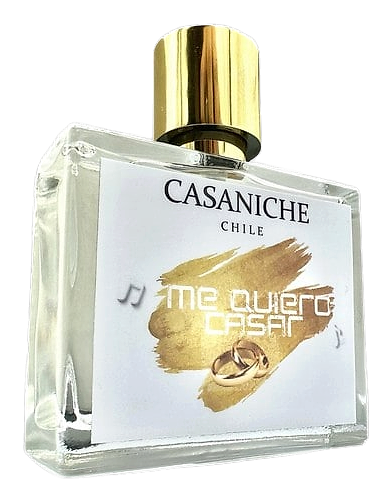
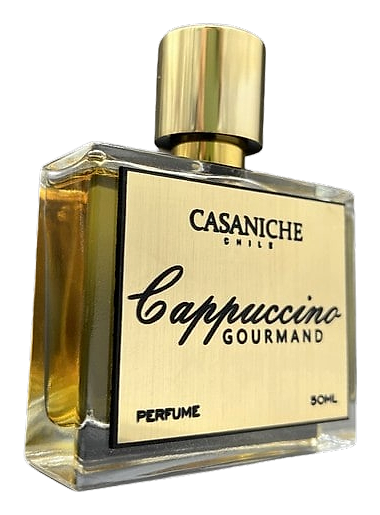
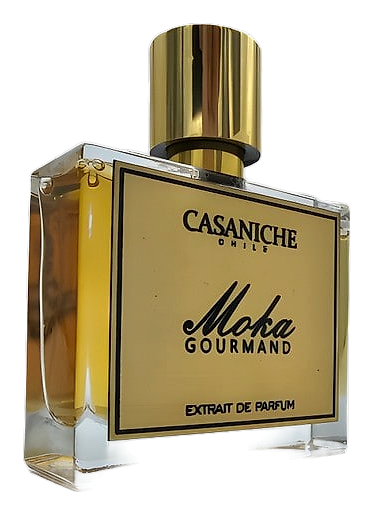
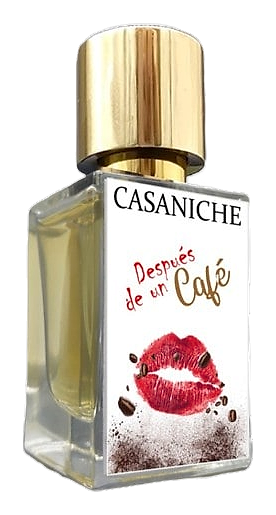
Eva joins a 2024 Casaniche lineup that also includes Después de un Café, Nadie te quiso tanto como yo, and La rosa que nunca te di, each fragrance anchored in a specific Chilean experience. Within that context, Eva occupies the most intimate register: not about place or ritual but about sensation itself.
The House
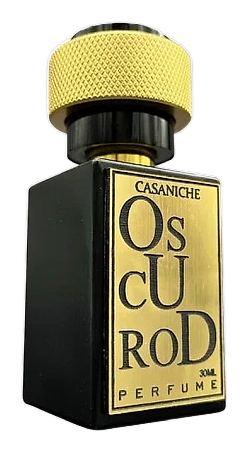
CasanicheCasaniche is a Chilean niche perfume house that translates the country’s varied geography into scented narratives. Founded in the early 2020s, the label releases limited‑edition scents that reference specific locales such as the Atacama desert, Patagonian fjords and coastal vineyards. Each fragrance arrives in a minimalist bottle that foregrounds the perfume itself, inviting collectors to explore a scent map of Chile without the clutter of mass‑market branding.
The Creator
Maximiliano CifuentesHe builds scents layer by layer, starting with a robust base of tobacco leaf and aged cedar, then adds a heart of dried herbs and a whisper of citrus. He prefers cold maceration to preserve nuance, and he ages each blend in glass for at least six months.