The Story
Why it exists.
The beginning
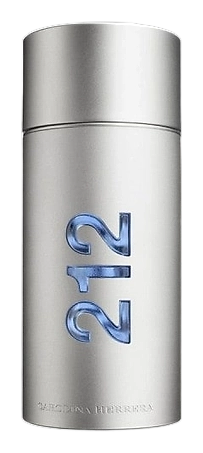
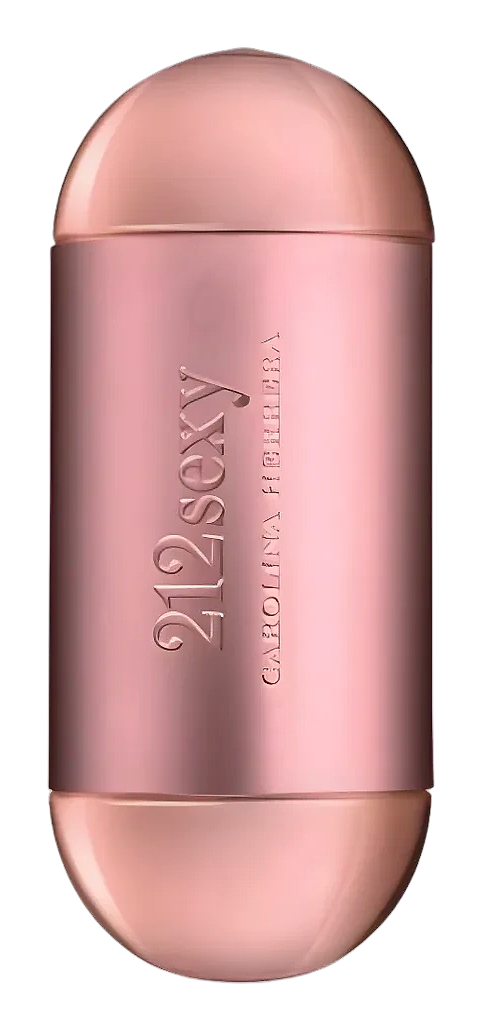
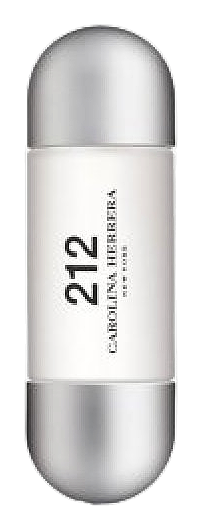
212 takes its name from a Manhattan area code. In 1997, Carolina Herrera asked master perfumer Alberto Morillas to bottle what that number actually feels like: not a borough, but an attitude. The brand's creative director, Carolina Adriana Herrera, had just joined the fragrance division, and the collection was conceived as a celebration of youth and the kinetic pull of New York City. The brief was freedom, speed, a certain urban shimmer that doesn't translate to anywhere else. Morillas, working within Puig's network of master perfumers, built the composition around white florals and a clean musk spine, wrapped in a sleek silver capsule designed by Fabien Baron. The bottle alone announced the intent: this wasn't legacy perfume. It was a new generation's uniform.
Most 'fresh florals' of the late '90s leaned on a single dominant flower, usually rose or jasmine, and let the rest fill in. 212 does something different. It stacks five white florals, gardenia, camellia, freesia, lily, and jasmine, against a top quartet of cactus blossom, bergamot, orange blossom, and mandarin. That's not accident. That's Morillas building a chord, not a melody. The cactus blossom is the unusual choice: watery, green, slightly metallic, it gives the opening a mineral edge that prevents the florals from collapsing into sweetness.
The evolution
The first ten minutes are the brightest part of the wear. Bergamot and mandarin land with a quick, almost fizzy snap, like stepping out of air conditioning into July. Cactus blossom threads through it, adding a cool green note that feels closer to glass than to any plant you'd find outside. The white florals arrive in a single soft wave around the twenty-minute mark, gardenia and jasmine leading, with the camellia and freesia giving the blend a creamy, almost soap-like clarity. Nothing powdery. Nothing vintage. This is florals translated through a downtown lens. By the two-hour mark, the citrus has quietly stepped back. The florals hold center stage but lose their individual edges, merging into one luminous white-flower scent that sits about six inches from skin. Around hour four, the sandalwood begins to surface.
Cultural impact
212 arrived at the close of the '90s, when fresh-floral-musks were reshaping department store counters. Its silver capsule bottle, designed by Fabien Baron, became one of the defining shapes of the decade, the visual shorthand for a new kind of youthful, urban femininity. The scent itself held its ground against heavier gourmands and orientals of the era by staying sheer and clean.