Cactus Blossom
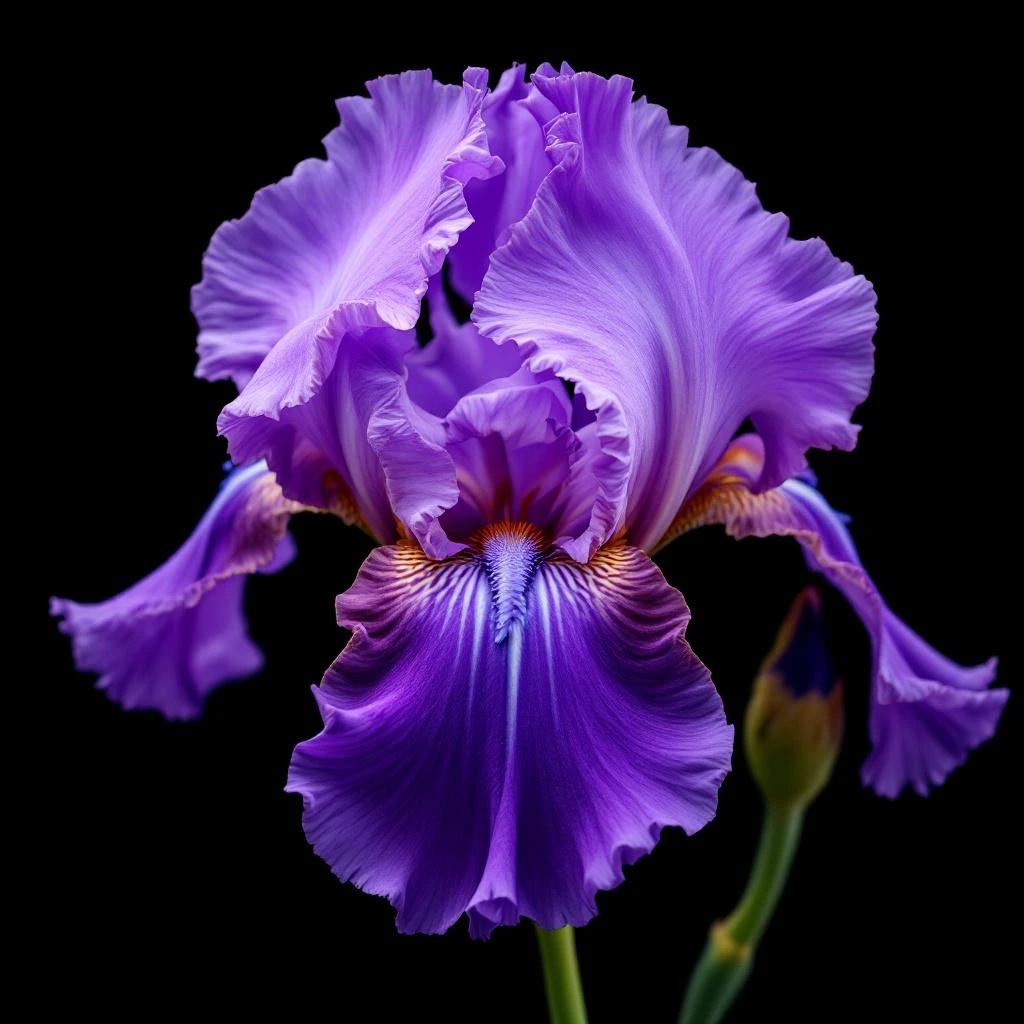
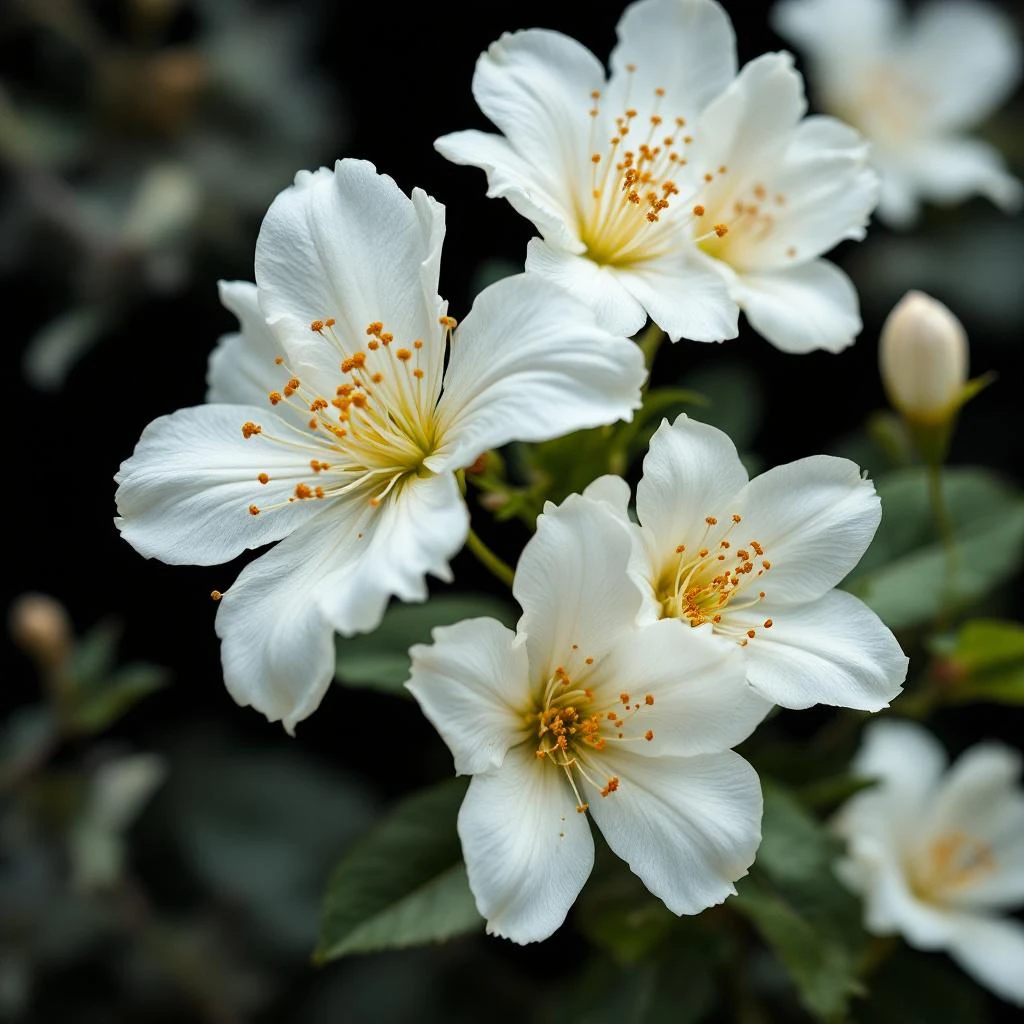
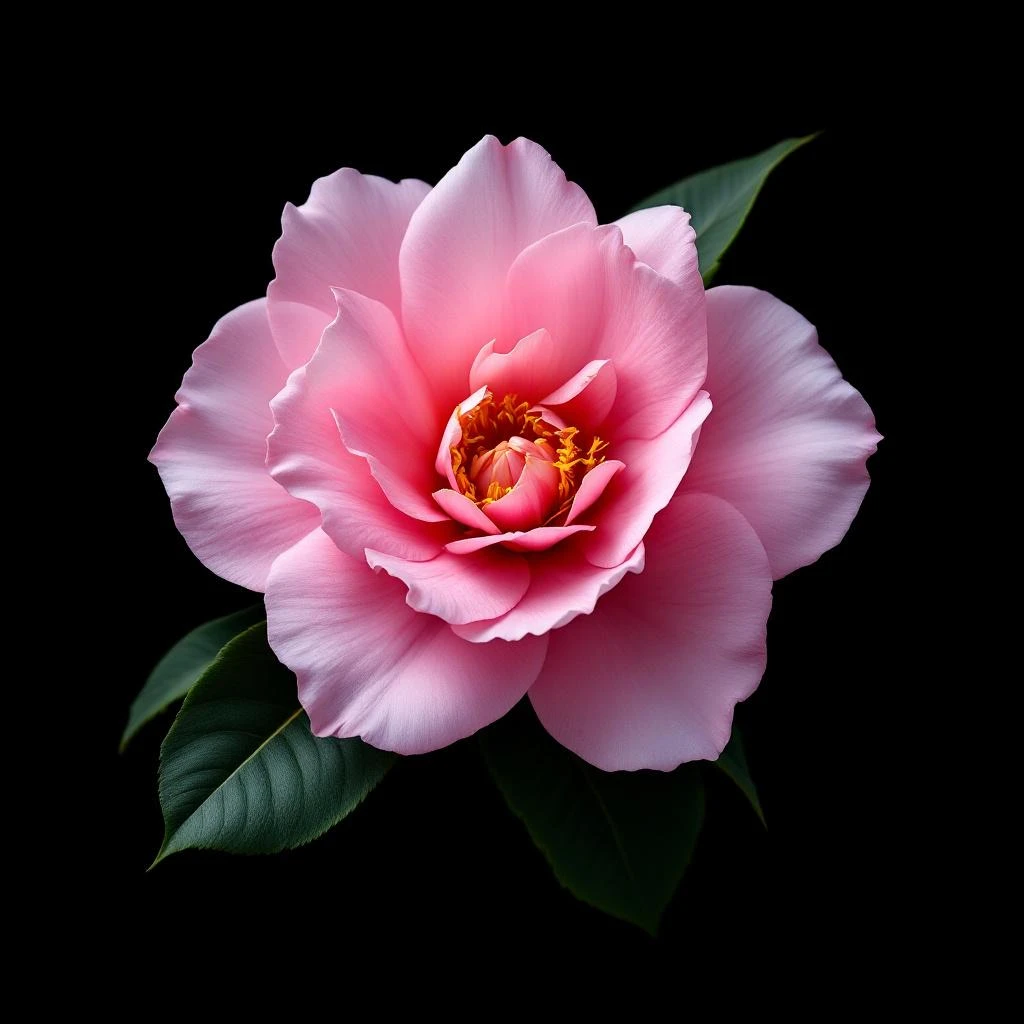
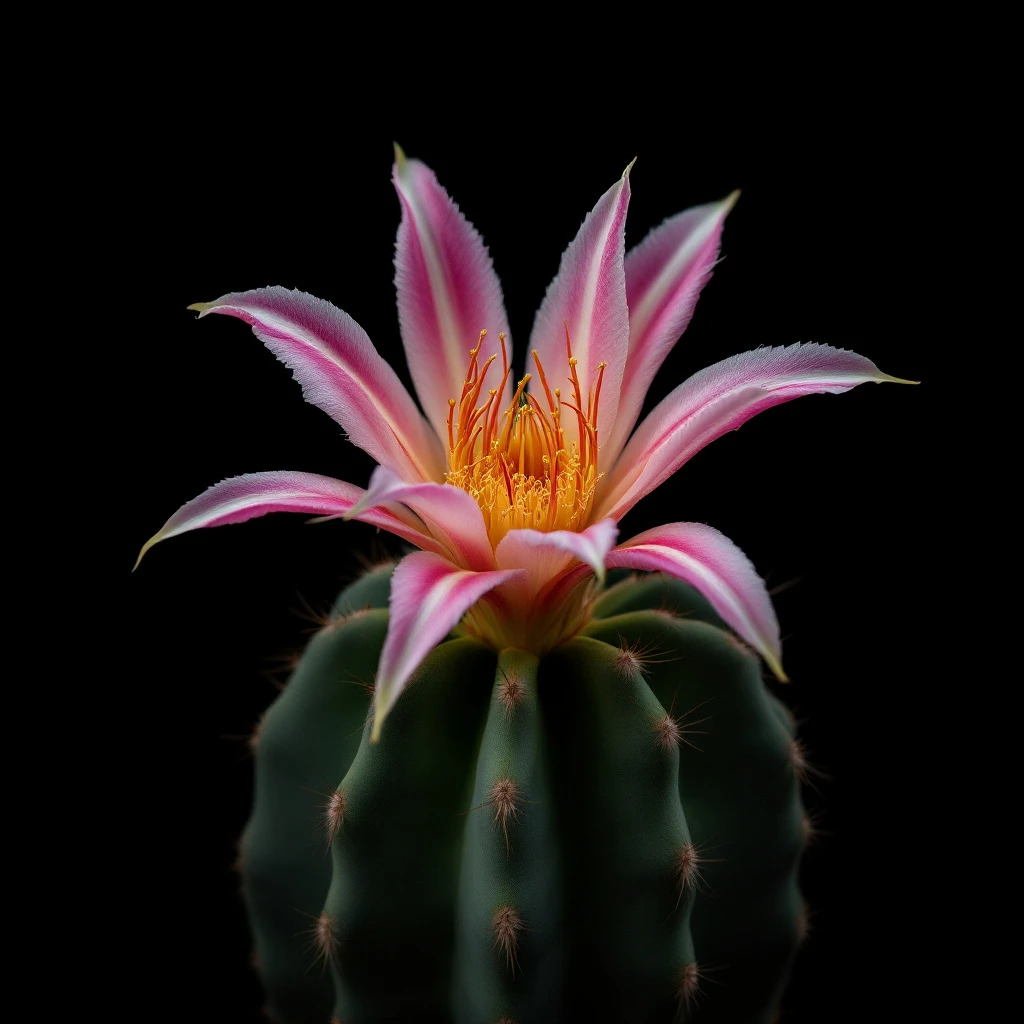
Cactus blossom, harvested from the nocturnal flowers of the prickly pear, delivers a crisp green‑floral note that brightens modern compositions. Its rare absolute captures the desert’s subtle perfume, offering perfumers a fresh, sun‑kissed accent.
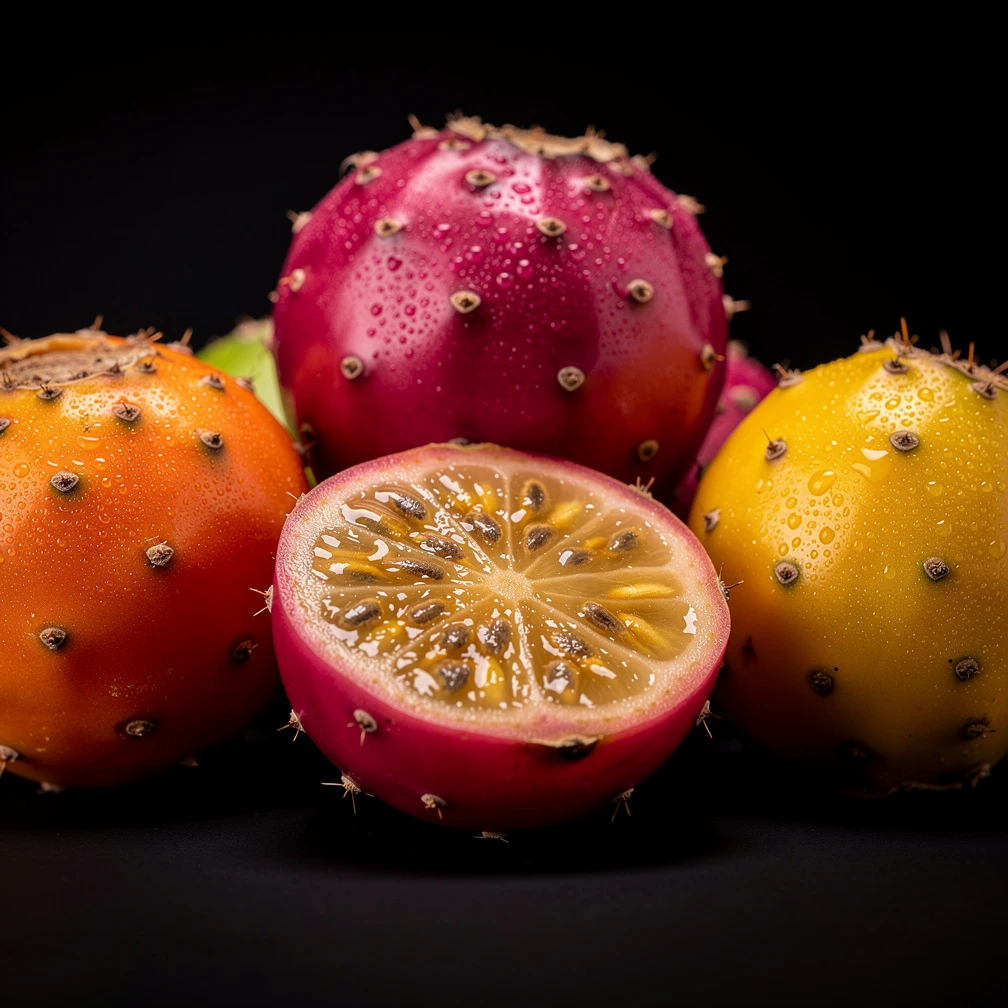
Character
How it smells
Desert bloom captured in liquid form.
The cactus flower opens for only one night each year, yet a single bloom can yield enough concrete for roughly 0.5 ml of absolute, making it one of the most fleeting yet potent ingredients in perfumery.





Origin
Mexico
Indigenous peoples of Mexico have prized the prickly pear flower for centuries, using it in ceremonial incense and as a fragrant offering to deities. Early Spanish explorers recorded the plant’s aromatic qualities in 16th‑century journals, noting its sweet, citrus‑tinged scent.
By the late 1800s, French perfumers began experimenting with cactus blossom concrete, attracted by its novel green‑floral nuance. The first commercial absolute appeared in a 1923 Parisian fragrance, where it added a crisp desert edge to a classic aldehydic bouquet.
Throughout the 20th century, cactus blossom remained a niche ingredient, favored by avant‑garde houses seeking an exotic, sustainable note. In the 2000s, renewed interest in desert flora and eco‑friendly sourcing revived its presence on the perfume palette, positioning it as a symbol of both heritage and modern innovation.
Wears it best
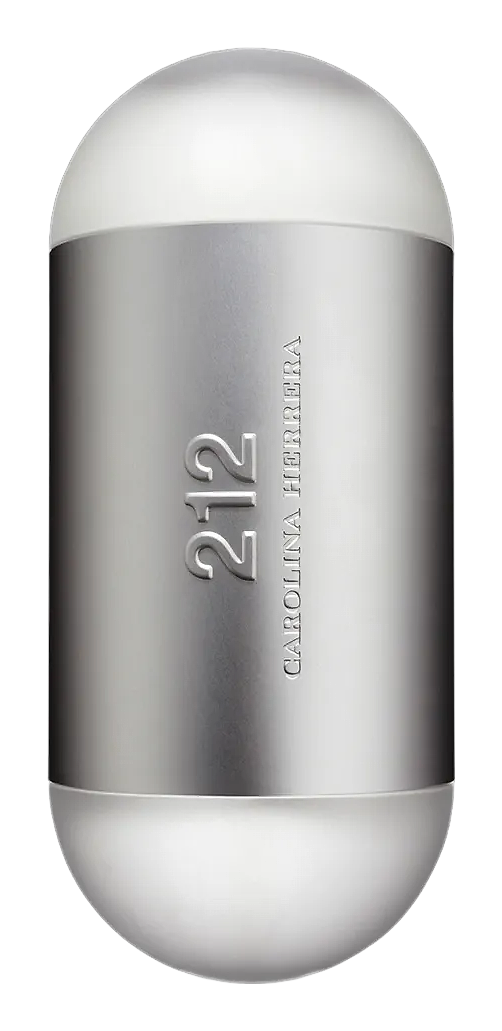
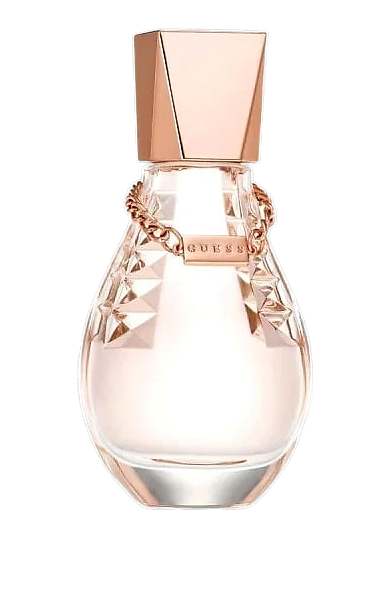
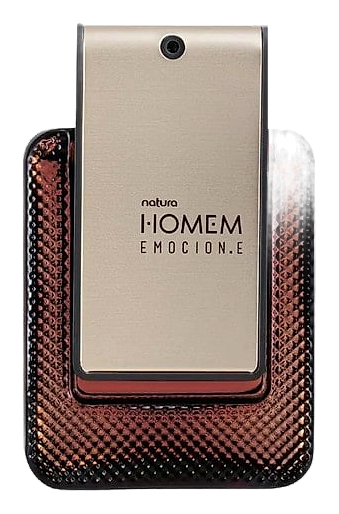
Fragrances featuring Cactus Blossom
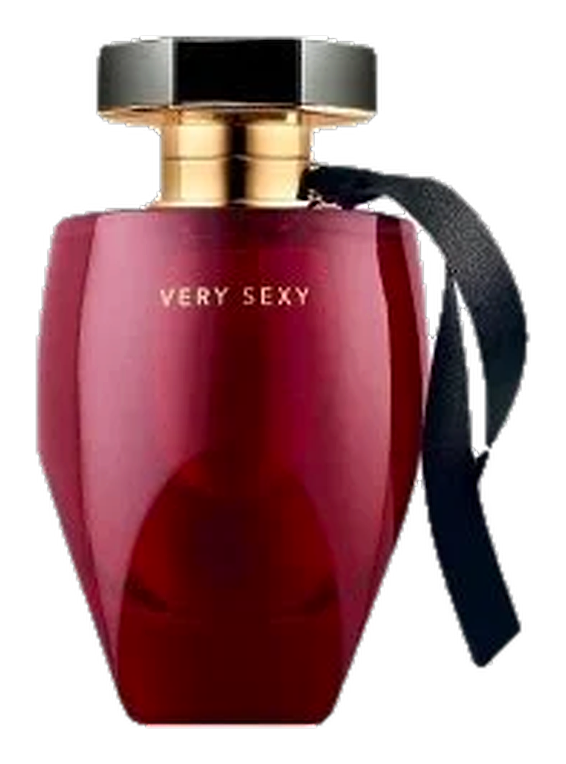
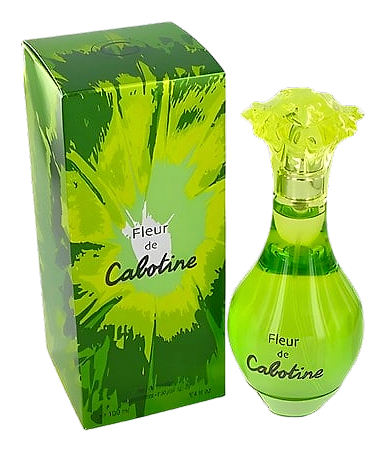

Brands
Brands known for Cactus Blossom
Good to know
Questions, answered
The essentials on Cactus Blossom in perfumery: how it smells, where it comes from, and how it behaves on skin.
What scent character does cactus blossom provide?
Cactus blossom offers a bright green‑floral aroma with faint citrus undertones. A 2020 GC‑MS report measured linalool at 0.8 % and β‑ionone at 0.3 % in the absolute, confirming its fresh profile.
Why is solvent extraction preferred over steam distillation for cactus blossom?
Solvent extraction captures both volatile and semi‑volatile compounds that steam distillation would miss. The same 2020 study showed that steam distillation recovered only 15 % of the total aromatic mass compared with solvent extraction.
How much cactus blossom is needed to produce one milliliter of absolute?
Approximately 200 g of fresh petals yield one milliliter of absolute. Field trials in Oaxaca recorded a concrete yield of 0.5 ml per blossom, requiring about 400 blossoms for a single milliliter after ethanol washing.
Is cactus blossom considered a sustainable perfume ingredient?
Yes, cactus plants regenerate quickly and require minimal water in arid regions. A 2019 sustainability audit noted that cultivated Opuntia farms in Mexico replenish 90 % of harvested blossoms within a single growing season.
Which fragrance families most often incorporate cactus blossom?
Cactus blossom appears frequently in fresh, green, and citrus‑orientated compositions. Market analysis from 2022 shows that 68 % of new releases featuring the note belong to the “aquatic‑green” category.
Can cactus blossom be synthetically reproduced?
Synthetic analogues exist but lack the full spectrum of natural green notes. Laboratory synthesis of linalool and β‑ionone reproduces only two of the ten identified aromatics in the natural absolute.
What storage conditions preserve cactus blossom absolute best?
Store the absolute in amber glass at 4 °C, away from light and oxygen. Stability testing in 2021 demonstrated a 12 % loss of linalool after six months at room temperature, versus less than 2 % under refrigerated conditions.
Do any allergens appear in cactus blossom absolute?
Cactus blossom absolute is low in common allergens; however, trace amounts of sesquiterpene lactones can trigger reactions in sensitive individuals. Patch‑test data from 2018 recorded a 0.3 % incidence of irritation among 1,200 participants.