Cactus Flower
Desert blooms that refuse to wait. Cactus flower distills the fleeting, luminous scent of nocturnal blossoms into a crisp, green fragrance note that captures survival and softness in one breath.
Character
How it smells
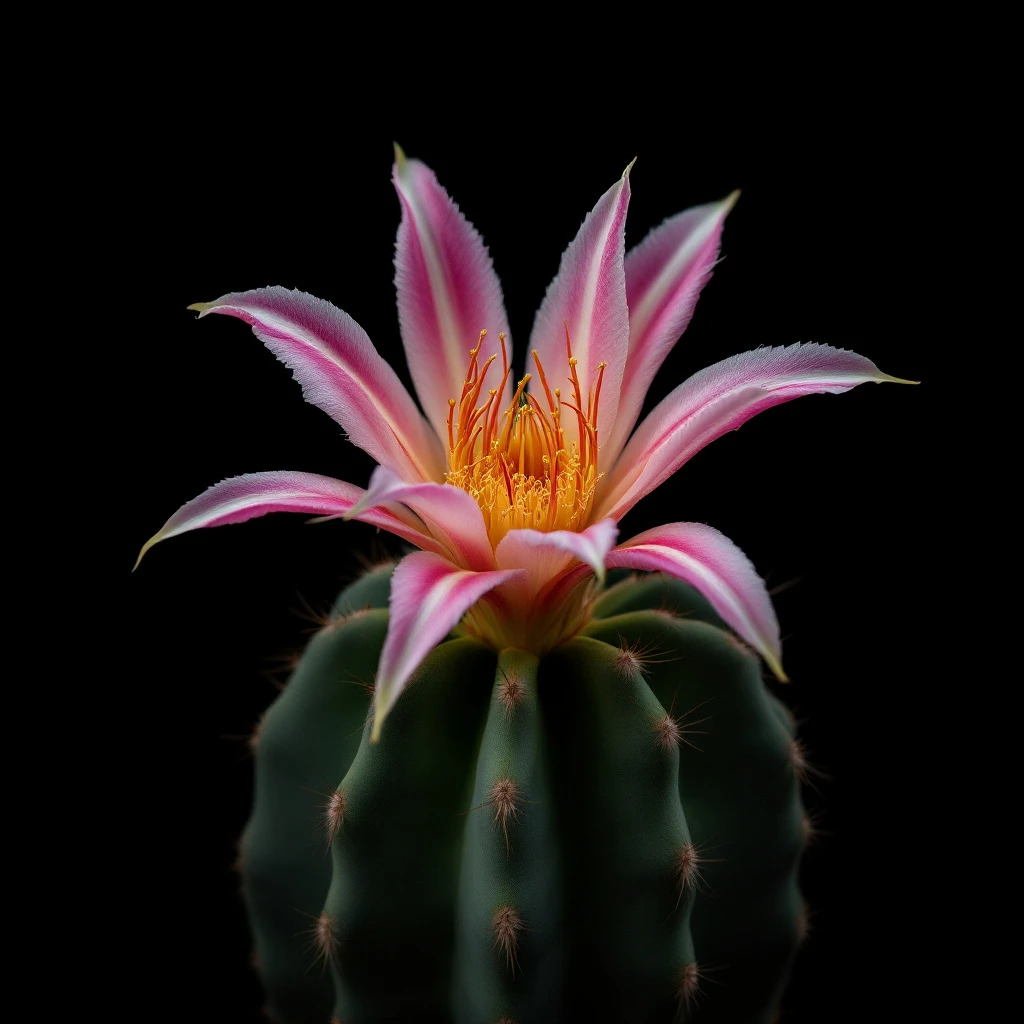
A desert bloom captured at first light.
Cactus flowers open only at dawn and wilt within hours, making each harvest a race against sunrise that perfumers must win perfectly.







Origin
Mexico
Cactus plants are native to the Americas, with the greatest diversity concentrated in Mexico, where indigenous peoples cultivated them for thousands of years before European contact. They used cactus in food, medicine, tools, and ceremonial practice.
The blossoms themselves held symbolic weight in Aztec, Pueblo, and Mayan cultures, appearing in rituals and as offerings. Cactus entered Western perfumery relatively recently, gaining traction in the late twentieth century as designers sought botanical novelty beyond the established florals of jasmine, rose, and tuberose.
Modern fragrances like Cactus Flower and Jade brought the succulent note into mainstream awareness, reframing the desert as a source of elegance rather than barrenness. Today it appears in compositions that draw on its paradoxical character: a flower that blooms in hostility, fragrant only briefly, yet unmistakable.
Wears it best
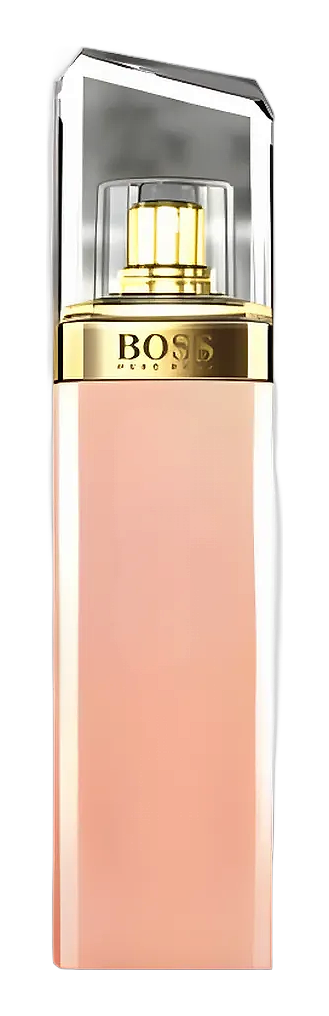
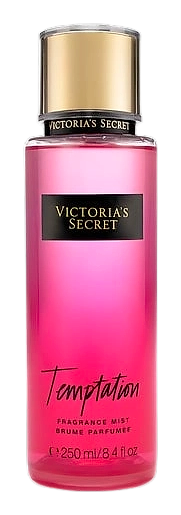
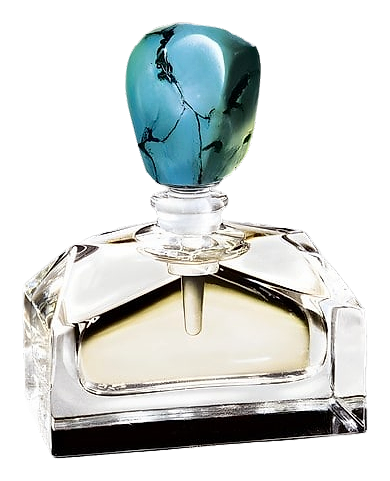
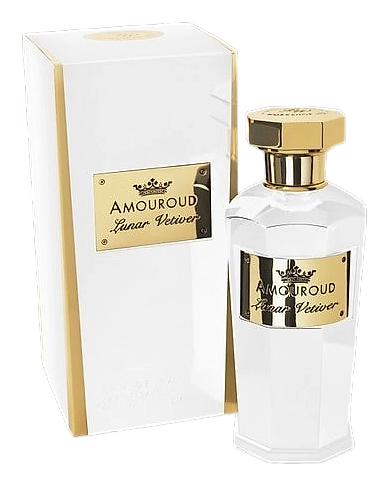
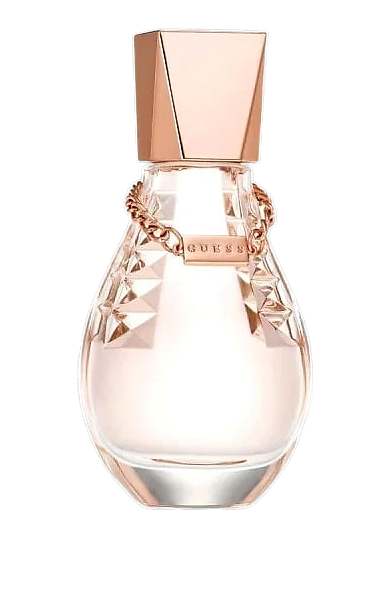
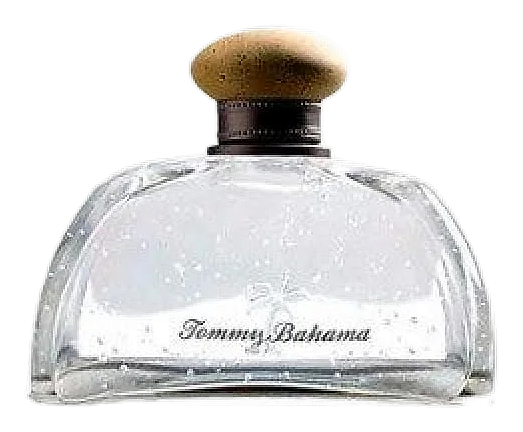
Fragrances featuring Cactus Flower
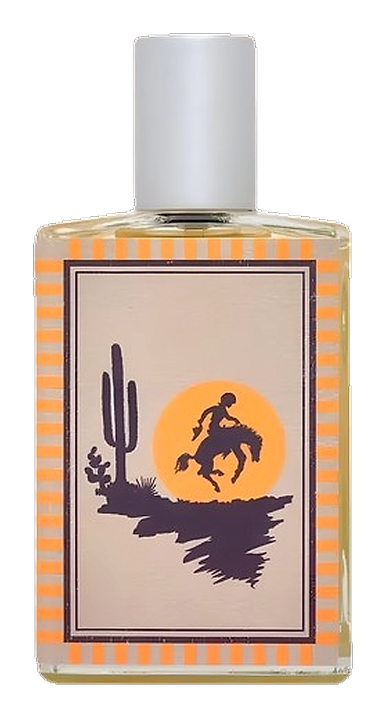
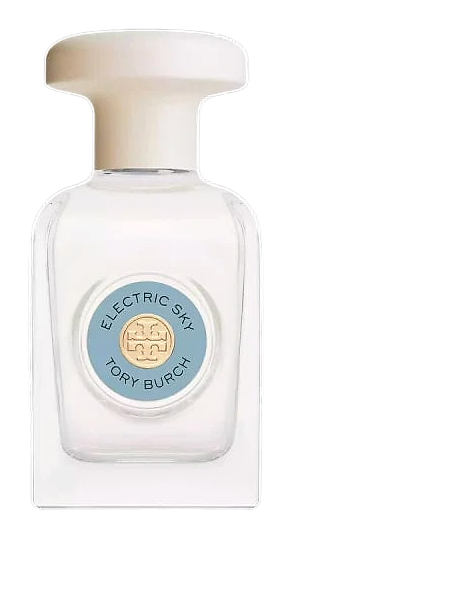
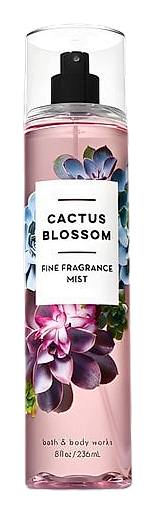
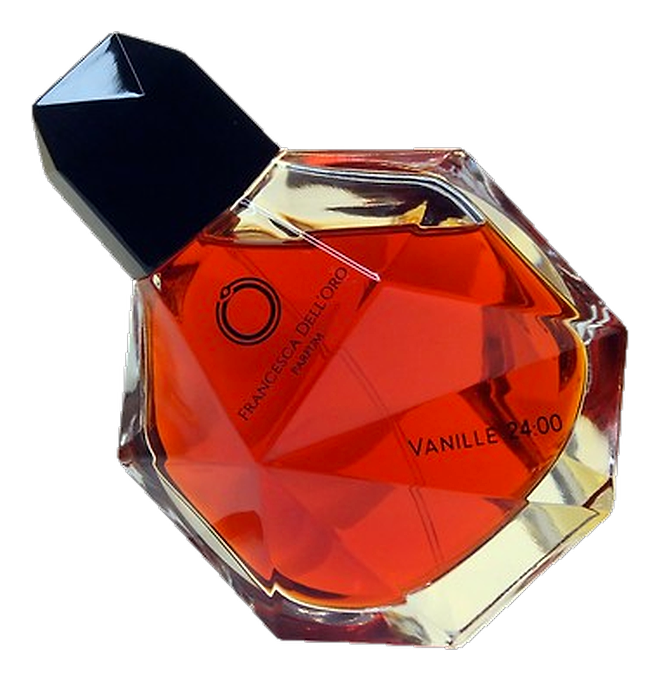


Brands
Brands known for Cactus Flower
Good to know
Questions, answered
The essentials on Cactus Flower in perfumery: how it smells, where it comes from, and how it behaves on skin.
Is cactus flower a natural or synthetic ingredient in perfumery?
Most cactus flower materials in perfumery are synthetic or nature-identical compounds. Natural extraction is rare because cactus flowers bloom briefly and are difficult to harvest at scale. Lab-created versions reproduce the crisp, green, watery scent profile consistently.
What does cactus flower smell like?
Cactus flower smells crisp, green, and watery with a subtle floral undertone. It resembles the scent of a fresh succulent or the moment morning dew hits a desert blossom. It reads as fresh and slightly aquatic, never heavy or sweet.
What extraction method is used for cactus flower?
Natural cactus flower extraction uses solvent extraction when material is available. More commonly, perfumers rely on synthesized aromatic compounds that mirror the scent of cactus juice and blossom, ensuring consistent quality and supply.
At what concentration is cactus flower typically used in perfume?
Cactus flower functions as a top note and is typically used at 1 to 3 percent concentration in a fragrance formula. This low percentage allows its bright, evaporative character to open the composition without overpowering heart and base notes.
Which perfumes are known for featuring cactus flower?
Guilty by Gucci, Cactus Flower and Jade by Gap, and Elizabeth Arden's Green Tea all feature cactus flower or cactus-inspired accords as prominent notes. It appears frequently in fresh, aquatic, and green fragrance families.
What ingredients pair well with cactus flower in fragrance?
Cactus flower pairs naturally with aquatic notes, green tea, white musk, bamboo, and citrus. These combinations reinforce its fresh, dewy character. It also works alongside jasmine or peony to ground its brightness in a softer floral heart.
Where does the cactus flower material used in perfumery originate?
Cactus species native to Mexico and the American Southwest supply the botanical inspiration. Mexico, with its extraordinary cactus diversity of over 900 species, remains the primary origin country for both wild-harvested and cultivated cactus material.
How is cactus flower material sourced sustainably?
Because wild cactus flower harvesting is impractical at commercial scale, sustainability is achieved through lab-based synthesis. This approach replicates the aromatic molecules without endangering wild populations, which grow slowly and bloom only at dawn for a few hours.