The Story
Why it exists.
The beginning
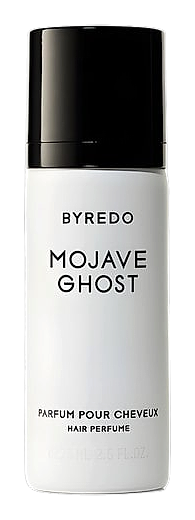
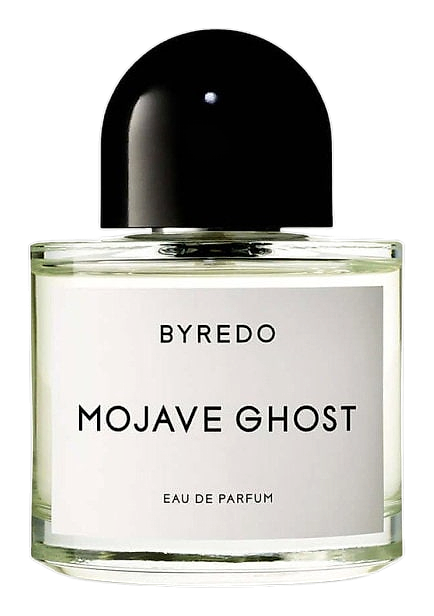
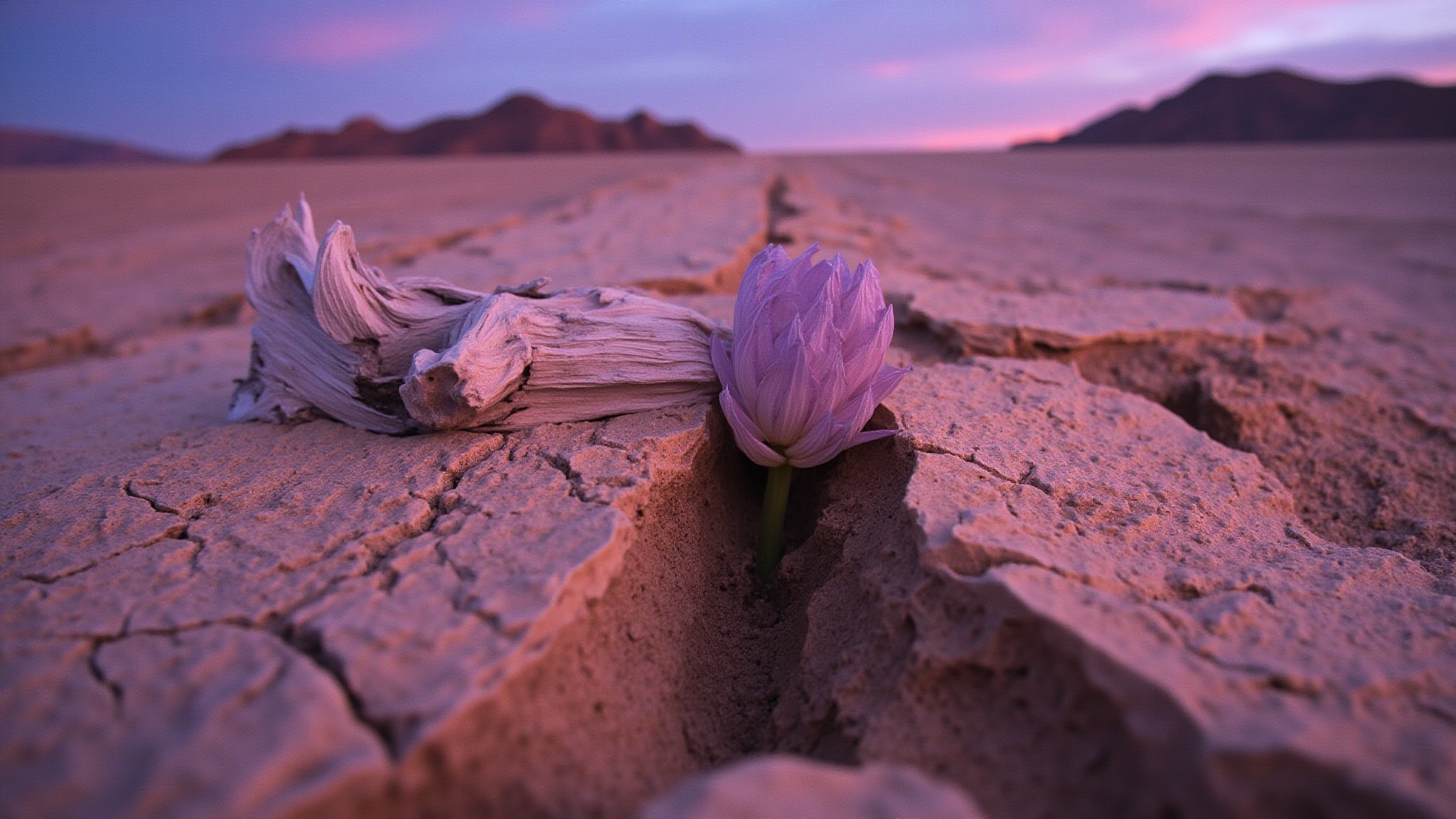
Mojave Ghost was born from a place that shouldn't sustain life and does anyway, the kind of landscape where survival is an act of defiance against the elements. There is something quietly radical about the desert: an environment defined by absence that produces its own strange, stubborn beauty. Released in 2014, the fragrance translates resilience into scent, capturing that tension between vulnerability and endurance. It is named for the ghost flower, a bloom whose appearance feels as fleeting as a held breath, there and then gone before you can fully register it. That ephemerality is the point. Scent-wise, the composition opens with a soft, luminous quality, something almost dewy and pale, the olfactory equivalent of first light hitting dry ground.
What makes the composition unusual is the use of sapote, a tropical fruit note most often found in warmer, sweeter fragrances. Here it does something different: it adds a creamy, almost lactonic softness without ever tipping into gourmand territory. Pair it with ambrette, the musk mallow seed that reads as skin rather than perfume, and the opening becomes something closer to clean laundry left on a desert windowsill. The heart leans into violet, but not the candied, lipstick-ish violet of traditional perfumery. It is powdery, slightly cool, almost introspective. Sandalwood grounds it. The result is a composition that feels both delicate and structurally stubborn, much like the flower it was named for.
The evolution
The first hour is the softest it gets. Sapote arrives first, sweet but not sugary, with the almost-grainy warmth of ambrette lending it a skin-like familiarity. It reads less like fruit and more like warmth returning to cold hands. Around the 30-minute mark, the violet enters and the temperature drops slightly. This is where the composition reveals its real personality: powdery, a little melancholy, the way old letters smell when you find them in a drawer you forgot about. Magnolia adds a green-floral lift that keeps the powder from settling too heavy. From the second hour onward, sandalwood takes over the heart, creamy and pale-wood, blending almost seamlessly into the musk base. By hour four, most of the floral has receded. What remains is a clean, woody musk, warmed by amber and grounded by cedarwood. The sillage is moderate and personal, a scent bubble rather than a trail. It survives eight hours on most skin, sometimes more, and on fabric the next morning you find something drier, woodier, almost meditative. The ghost outlasts the ghost flower.
Cultural impact
Mojave Ghost has earned a particular kind of reputation: the scent people hand to friends as a quiet recommendation, the one that circulates in recommendation threads and group chats more often than it shows up in overt advertising. It occupies a curious middle ground in fragrance culture, distinctive enough to feel considered and personal, yet soft enough to wear without occasion or explanation. Part of its staying power is that elusive opening, the way it feels airy and slightly sweet without committing to anything you could easily name, closer to light through fabric than to any single flower.