The Story
Why it exists.
The beginning
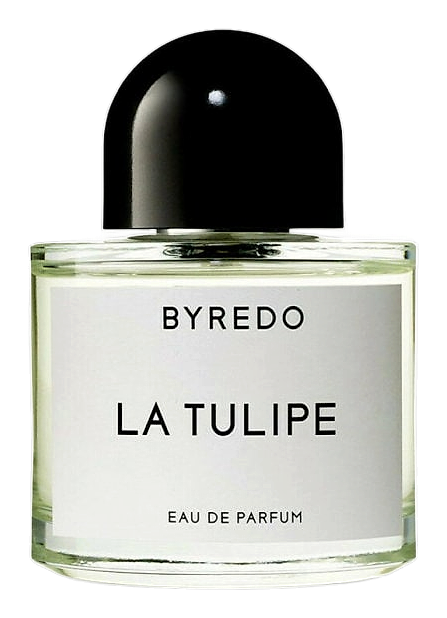
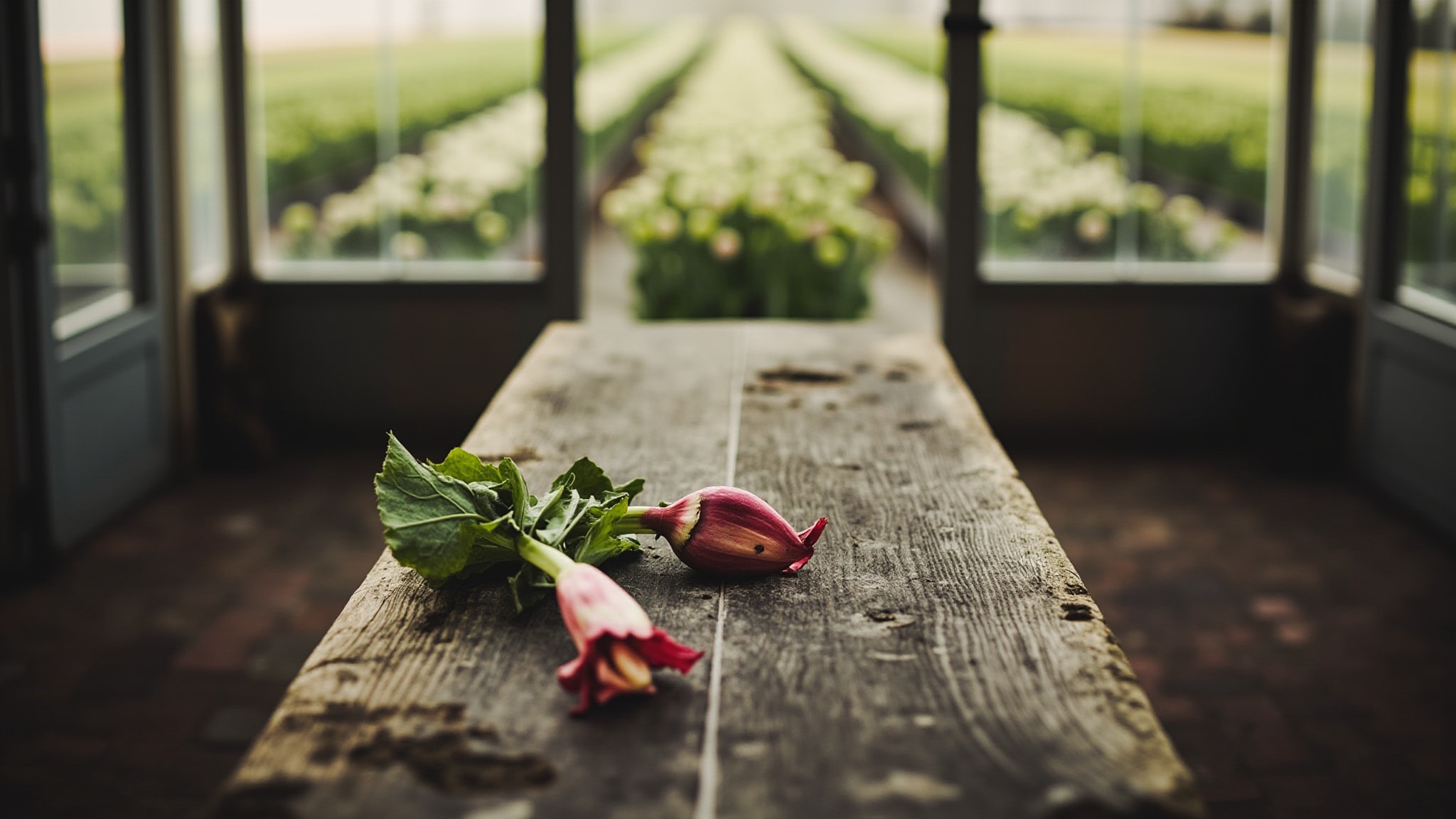
La Tulipe arrived in 2010 as part of Byredo's ongoing project of turning single images into wearable scent. For La Tulipe, the image was simple: a tulip in bloom, cool and undisturbed, the kind of flower that doesn't announce itself so much as stand there being beautiful. The name is literal. The mood is not. It channels that precise moment when winter loosens its grip and the first warm afternoon coaxes the earliest petals open. There's a quiet patience to the composition, the sense that someone wanted to bottle not the cheerfulness of spring but its threshold, the few days before color fully takes hold. The coolness is structural rather than incidental.
What makes La Tulipe worth wearing is the restraint. Rather than build a bouquet, the composition strips things back to a single flower surrounded by cool air. Cyclamen and freesia supply the floral scaffolding, but the rhubarb does the structural work, pulling the whole thing sideways into something green and slightly tart. There's a fresh-cut quality to the opening, almost as if the stems were trimmed moments before the juice went into the bottle.
The evolution
The opening is where the rhubarb lives loud, that sharp green-tart crackle that makes the first moments feel almost edible. Freesia and cyclamen thread in behind it, but neither tries to steal focus. They sit in the rhubarb's shadow, letting the tartness lead until the green snap begins to soften on its own. As the composition quiets and the tartness recedes, tulip takes the floor. It's a cool, watery floral, closer to crushed stems than to perfume counter sweetness, with a faint vegetal hollowness that reads more like a stem than a petal. The drydown sheds the green snap entirely and settles into a skin-like softness, the kind of warmth you'd associate more with sun on fabric than with anything resinous. Vetiver and blond woods anchor the base, keeping the whole thing clean and grounded without adding smoke or weight.
Cultural impact
La Tulipe sits comfortably in Byredo's house style, a study in single-flower minimalism that helped popularize the idea of a fragrance built around one unassuming bloom rather than a layered arrangement. The rhubarb-cyclamen-tulip arc gave perfumery a way to talk about green florals without leaning on the usual aquatic or citrus scaffolding, and it opened space for other houses to take quieter florals seriously. On skin, it wears like a fresh morning in a vase by an open window, cool and slightly tart at the opening, then softening into something more intimate as the hours pass.