The Story
Why it exists.
The beginning
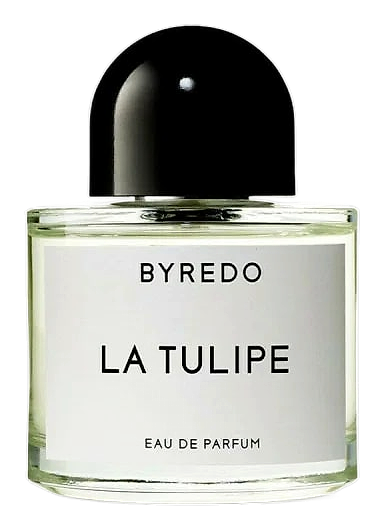
Ben Gorham has always loved tulips. Not as a statement flower or a bold declaration, but as something shyer, earlier, the first to push through cold soil when the seasons turn. In 2010, he decided to build a fragrance around that feeling entirely: the whole idea of the flower, not just its petals. He worked with Jérôme Epinette to translate something that exists between restraint and expression, a bloom that's both delicate and surprisingly bold in its timing. The result captures what makes a tulip worth waiting for.
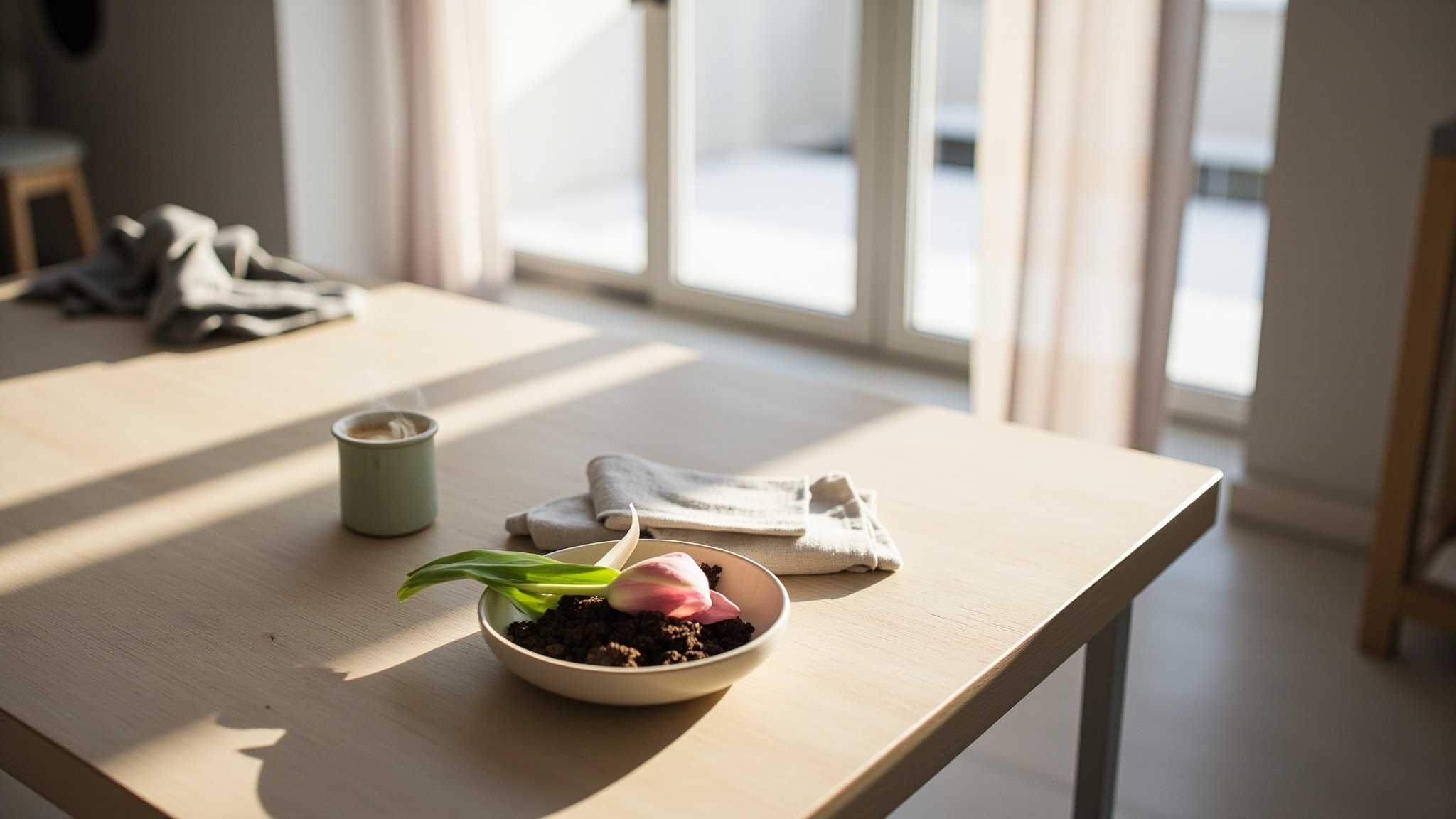
What makes La Tulipe unusual is its fidelity to the entire plant. Most floral fragrances isolate the flower itself, the romantic, abstracted version. Here, the green stems and dewy freshness are as present as the pink petals. Rhubarb adds a tartness that cuts the sweetness, keeping everything grounded in something that actually smells like a garden in early spring, not a fantasy of one. The composition refuses to overcomplicate itself, it arrives clean, stays clean, and earns its place through consistency rather than drama.
The evolution
The opening hits like wet earth and rhubarb stalks, crisp, almost vegetable, nothing sweet about it yet. Within minutes, the freesia and cyclamen soften that edge into something more familiar: a floral freshness that reads as morning rather than evening. The transition to the tulip heart is subtle, there's no dramatic reveal, just the gradual disappearance of the green tartness as the pink petals take over, softer and more intimate than the start. By the drydown, vetiver and blond woods settle into skin quietly, adding a clean mineral finish that lingers close. On most skin types, it holds for a full workday without ever projecting beyond arm's reach, moderate sillage, but it doesn't quit.
Cultural impact
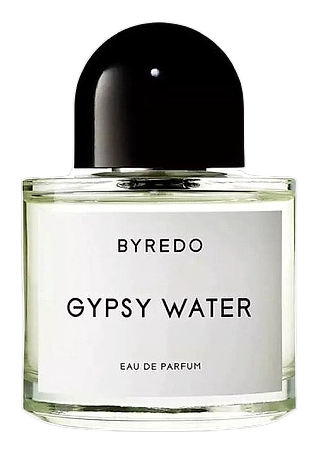
La Tulipe occupies a specific corner of the Byredo lineup: the entry point. It's the fragrance someone reaches for when they want the brand's clean, considered aesthetic without the complexity of Gypsy Water or the intensity of Black Saffron. The reception has been consistent, praised for what it doesn't do rather than what it does. It's not trying to be memorable in the way a statement fragrance is. It wants to be lived with.